
RIBA Stages of Work
Strategic Definition
• First contact with client
• Assessing business opportunity
Preparation and Brief
• Brief from client
• Feasibility study
• Building Survey
Developed Design
• Initial Design
• Initial Visualisation
• Meetings and Workshops
Spatial Coordination
• Finalising Designs
• Finalising Costs
Technical Design
• Technical Designs Refined
• Appointing Subcontractors
• Submitting Building Regs
Construction
• Building phase
• On-site Coordination
Handover
• Handing over the building
YOUR DESIGN
PROPOSAL
Your Brief
o 199 Bishopsgate offers Cowi a new building within central London.
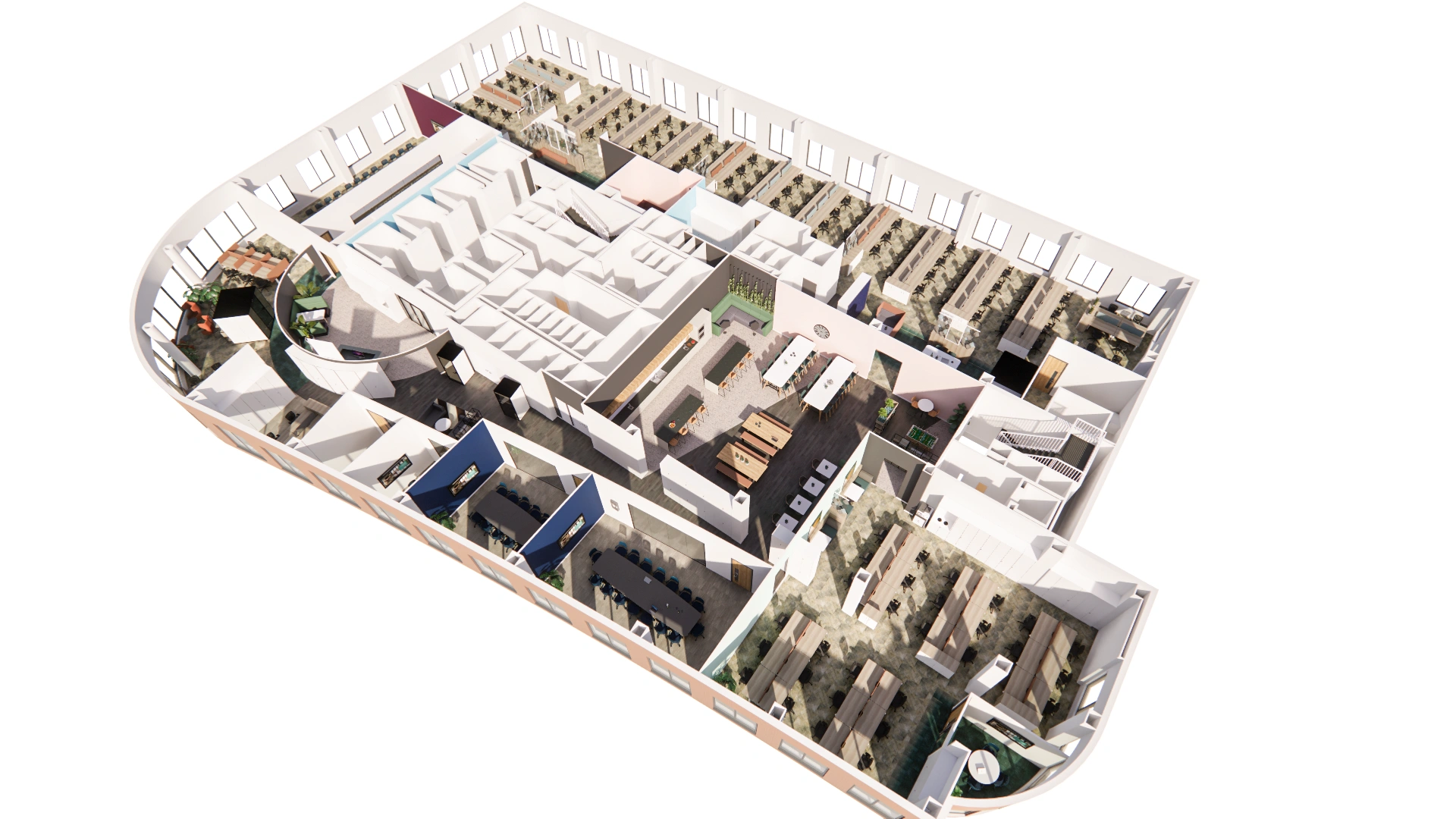
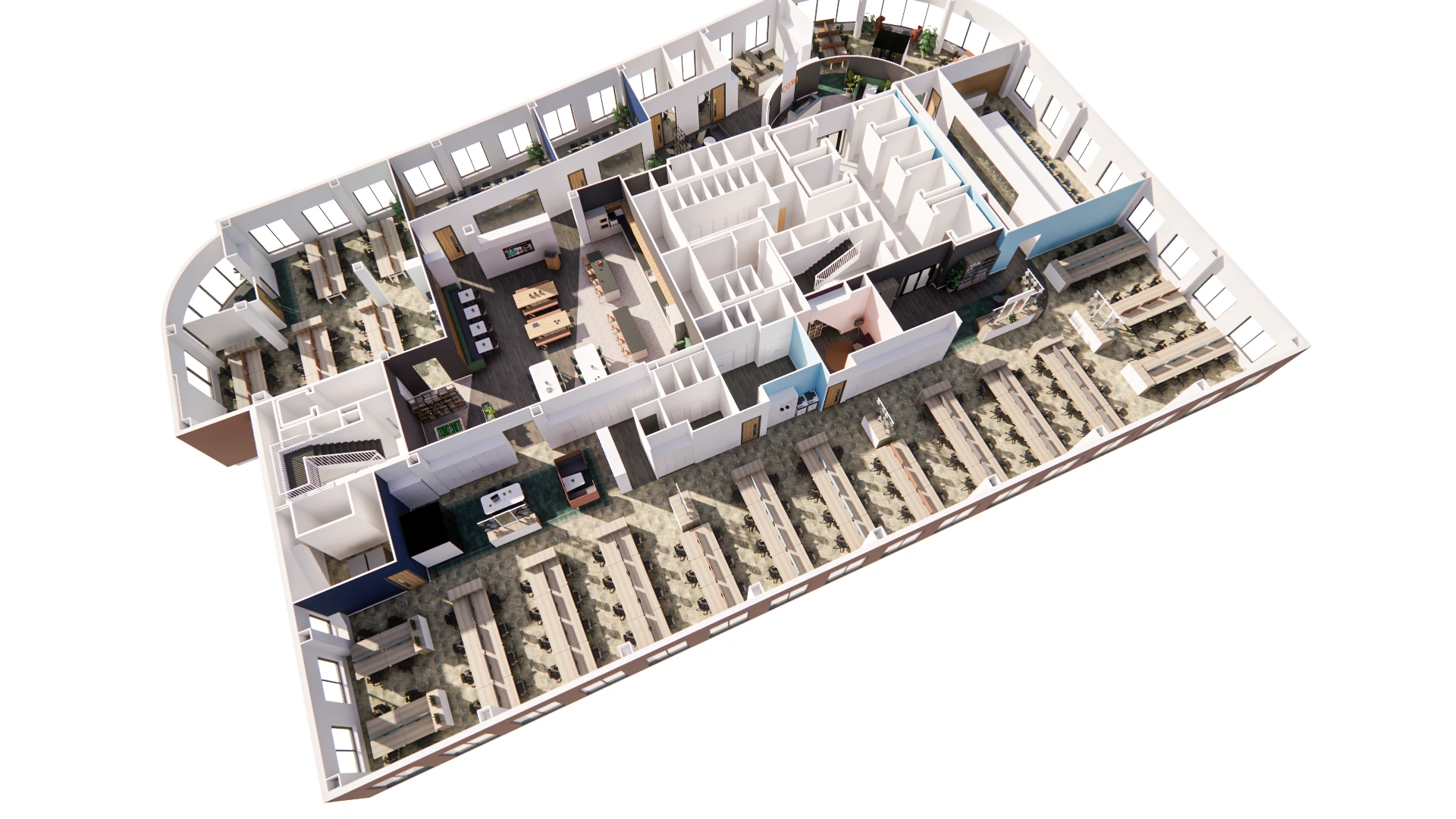
o The large open footprint needs to accommodate 140 open plan workstations, plus quiet workstations.
o Varied meeting room sizes.
o An area of desks that are separated from the main bulk of the open plan.
o A large open space for Town Hall company meetings.
o A large tea point/ breakout area.

Look & Feel
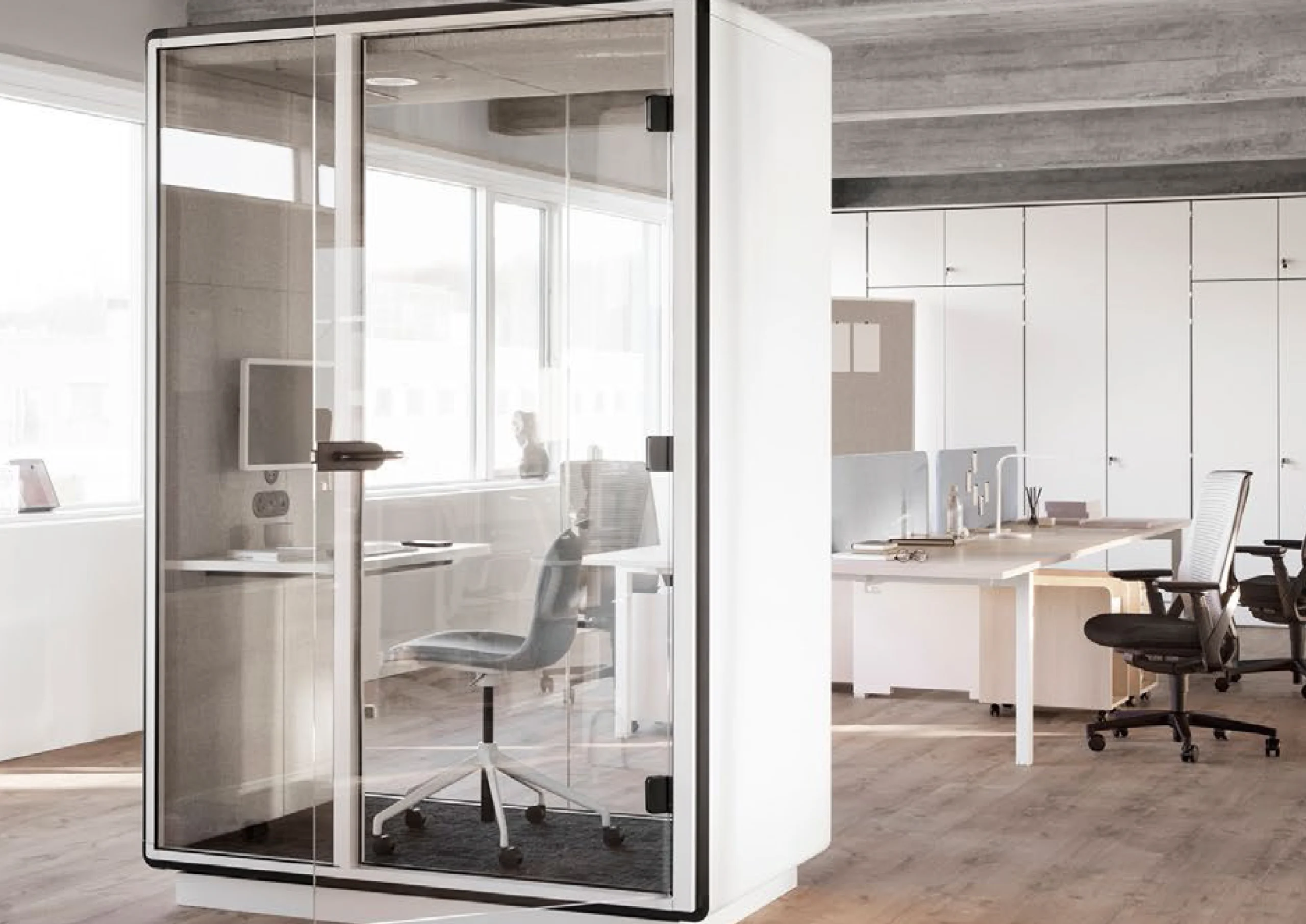

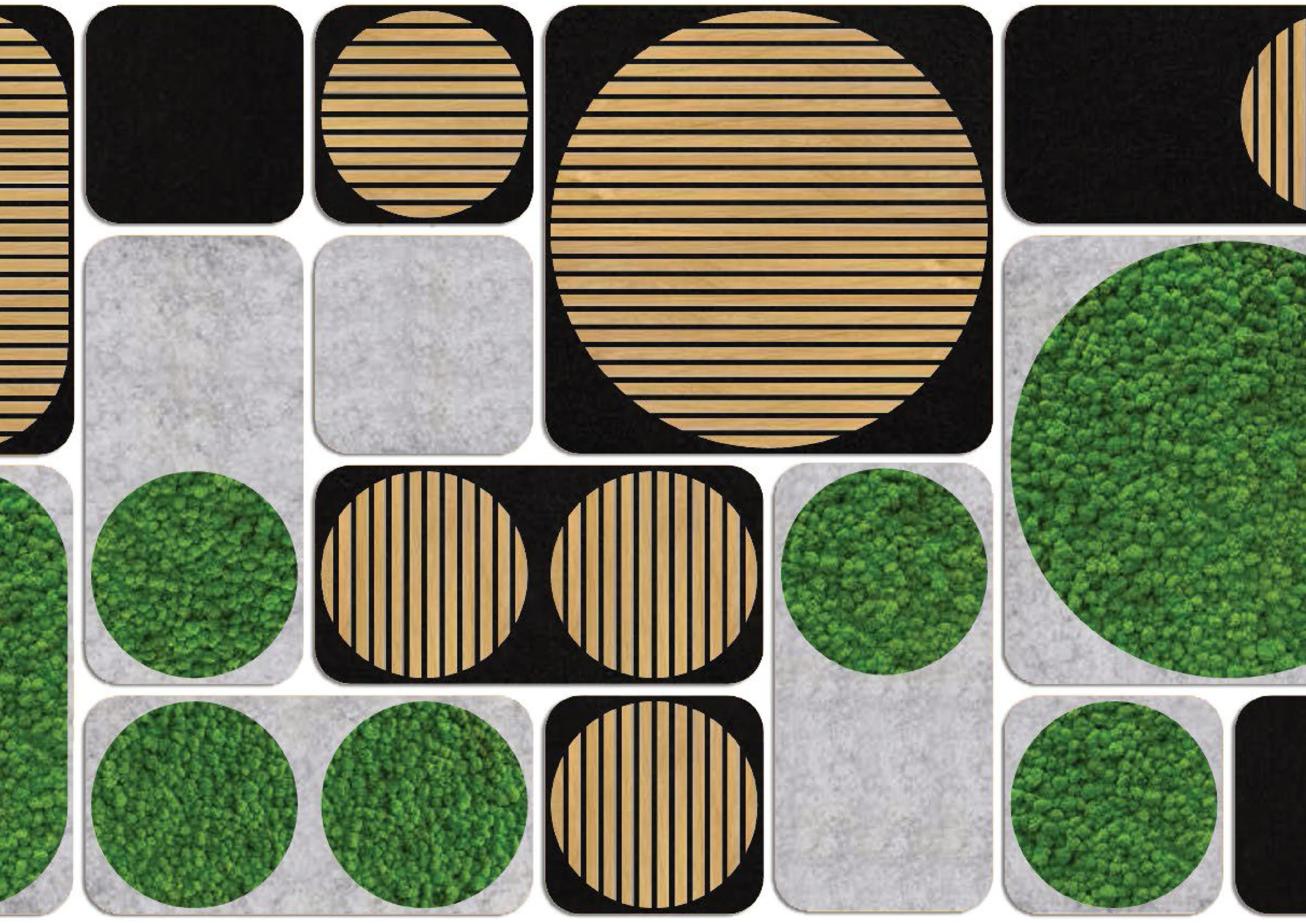
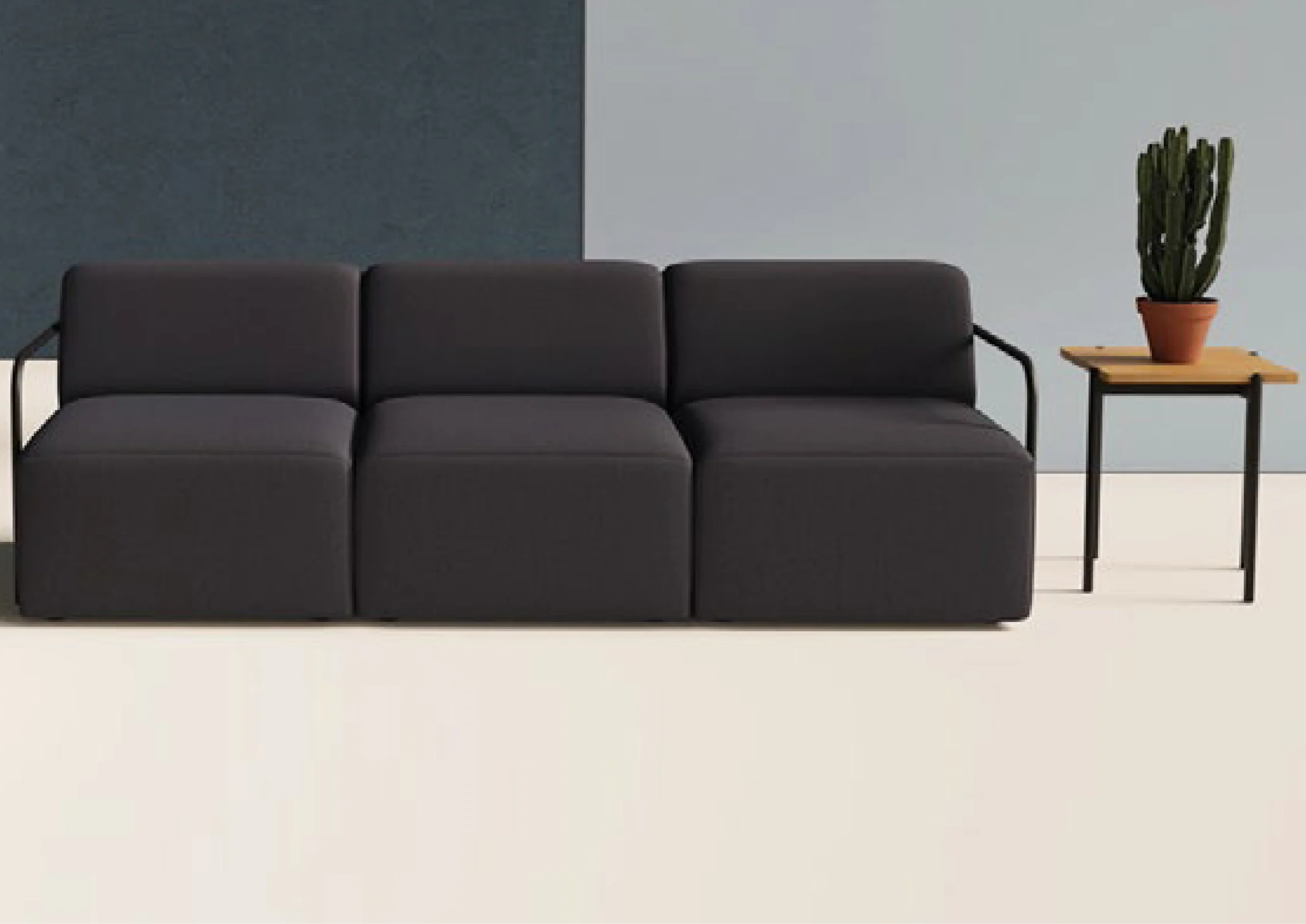
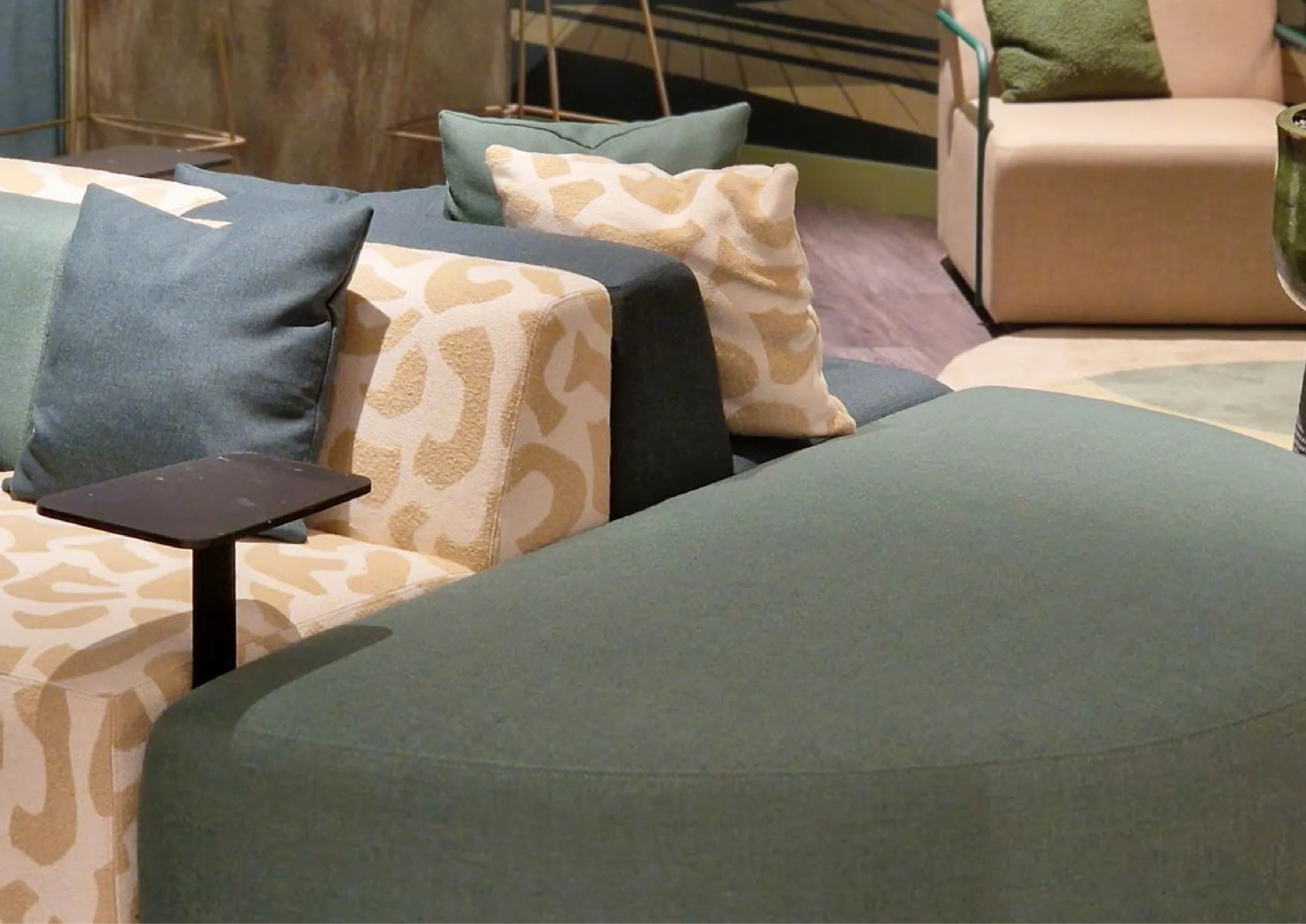

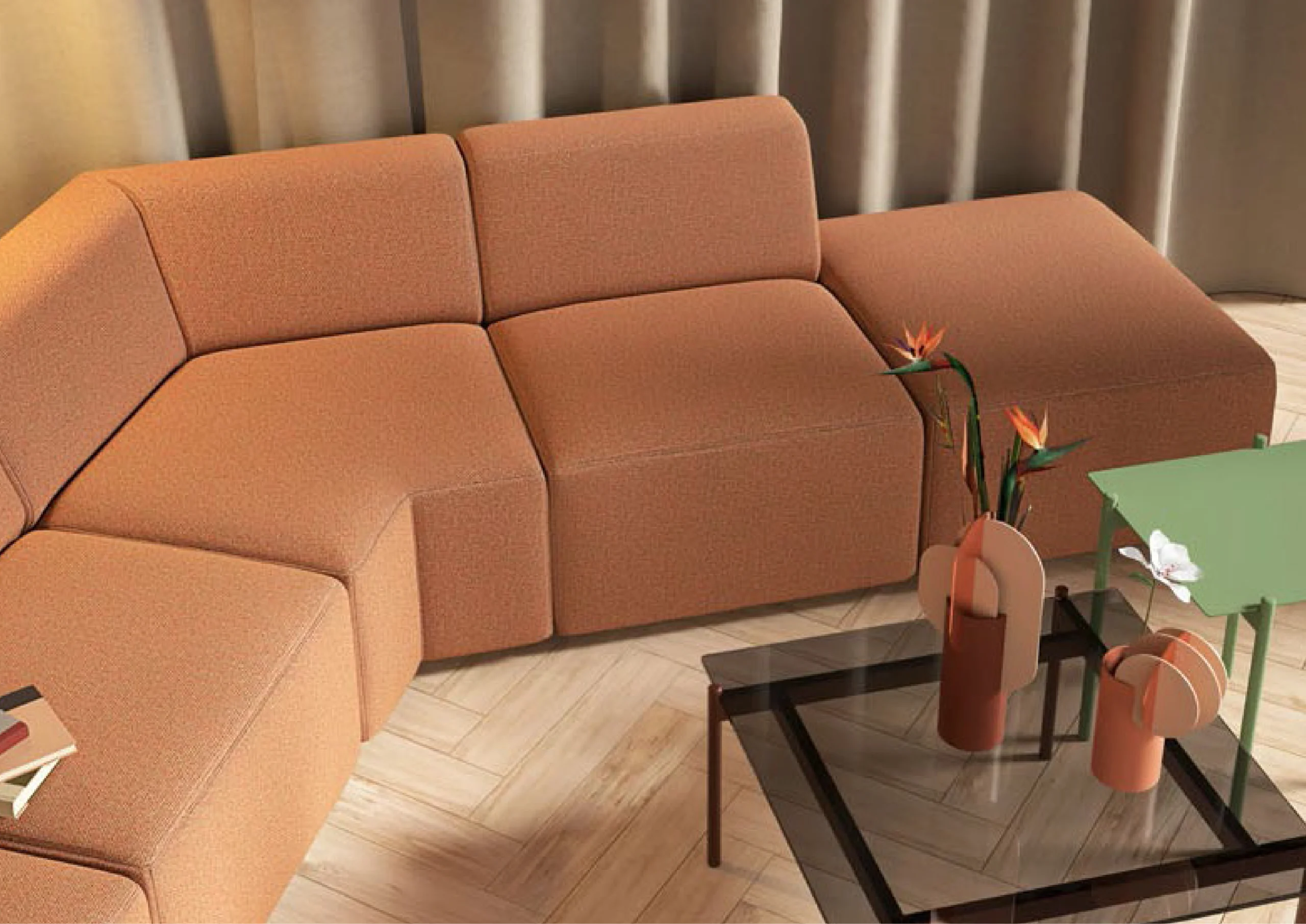










Creating your
Solutions
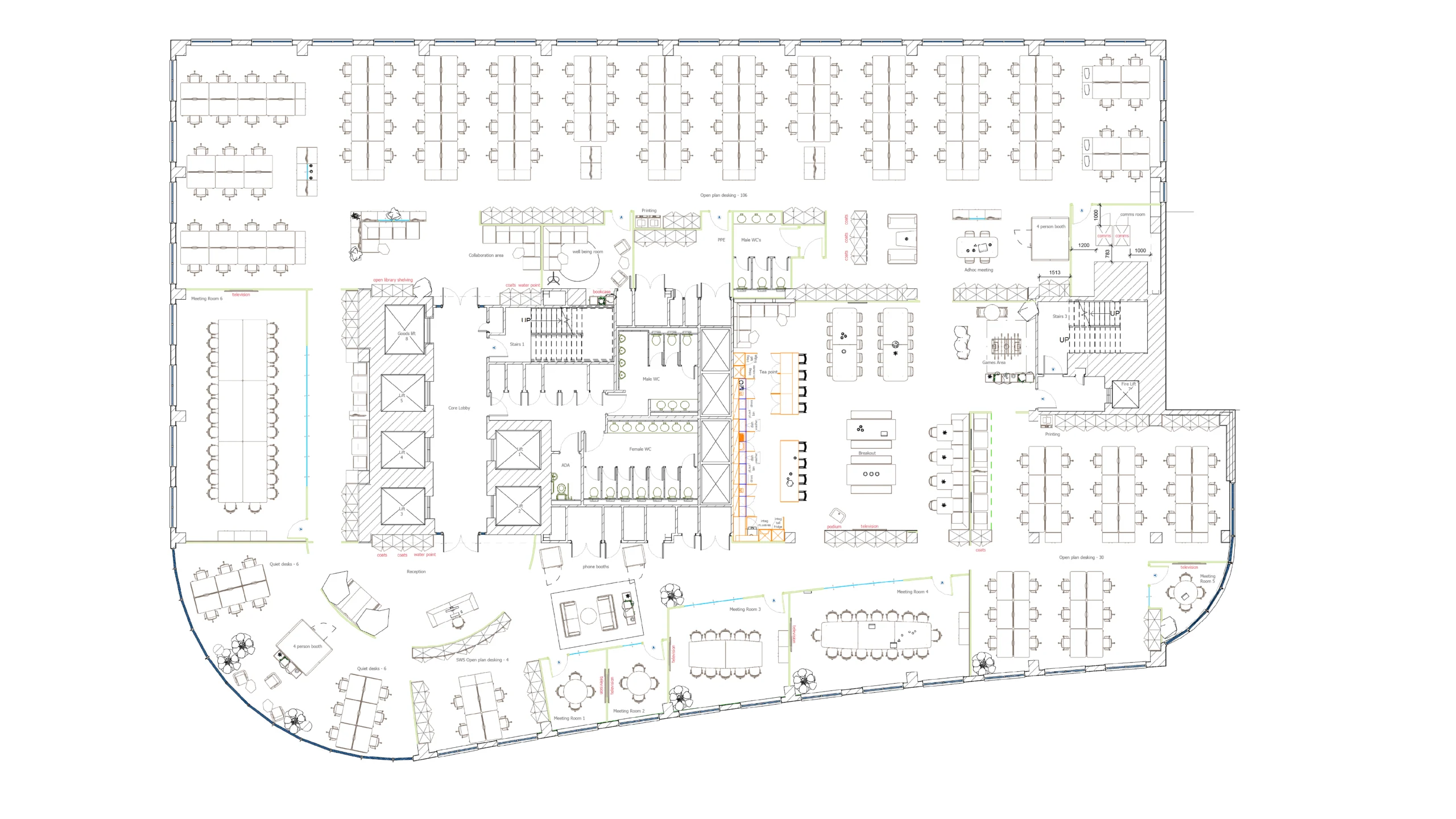
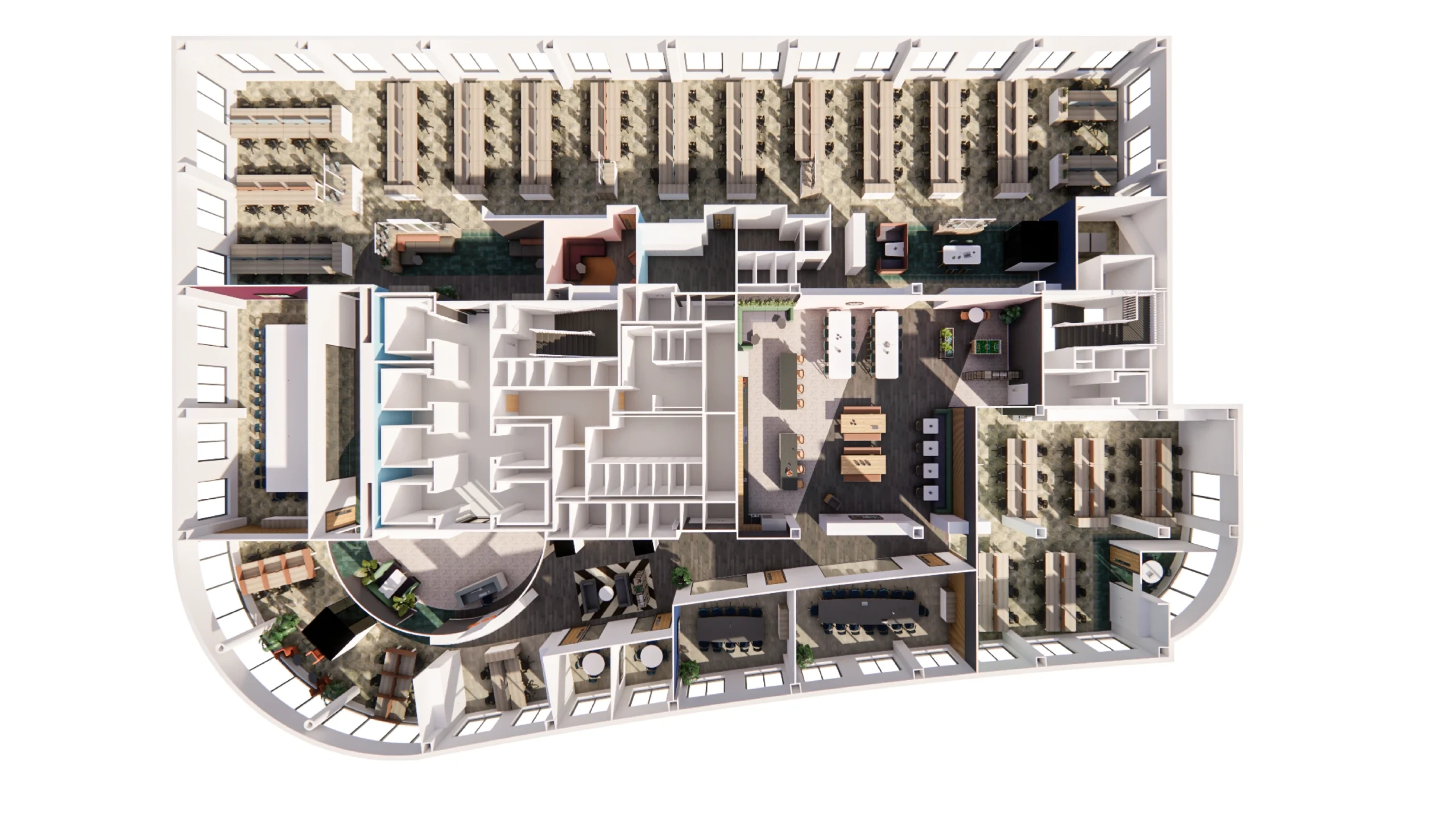
Eighth Floor
Occupancy Levels -
140x Open Plan workstations
12x 1200 quiet screened workstations
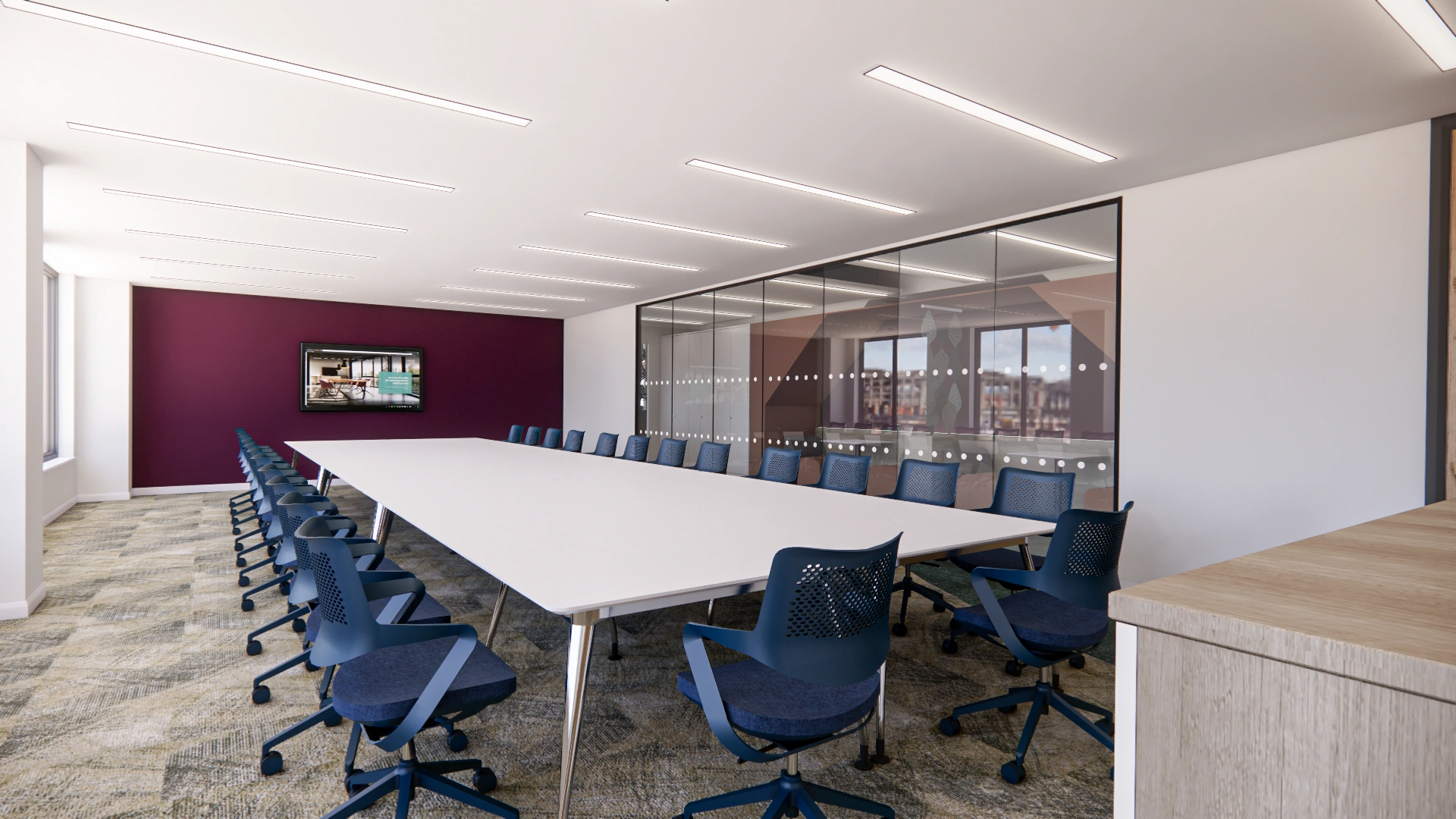
1x 26 person meeting room
1 x 16 person meeting room
1 x 10 person meeting rooms
3 x 4 person meeting rooms
2 x 4 person enclosed pod/booth
2 x single occupany phone booths
4 x 1-1 open booth areas
1 x 4 person meeting booths – high backed sofas
1 x standing meeting areas for 4 people
Large collaboration/ reception space for 12 people
Breakout area for 58 people seated
52 x 3 high cupboards – 156 shelves
51 x 6 high cupboards – 306 shelves
462 shelves in total
WELL Standards
Air
Water
Nourishment
Light
Movement
Comfort
Sound
Materials
Mind
Community
We believe that buildings should be developed with people’s health and wellness at the center of design. The WELL Building Standard takes a holistic approach to health in the built environment addressing behavior, operations and design. WELL is a performance-based system for measuring, certifying, and monitoring features of the built environment that impact human health and well-being, through air, water, nourishment, light, fitness, comfort and mind.
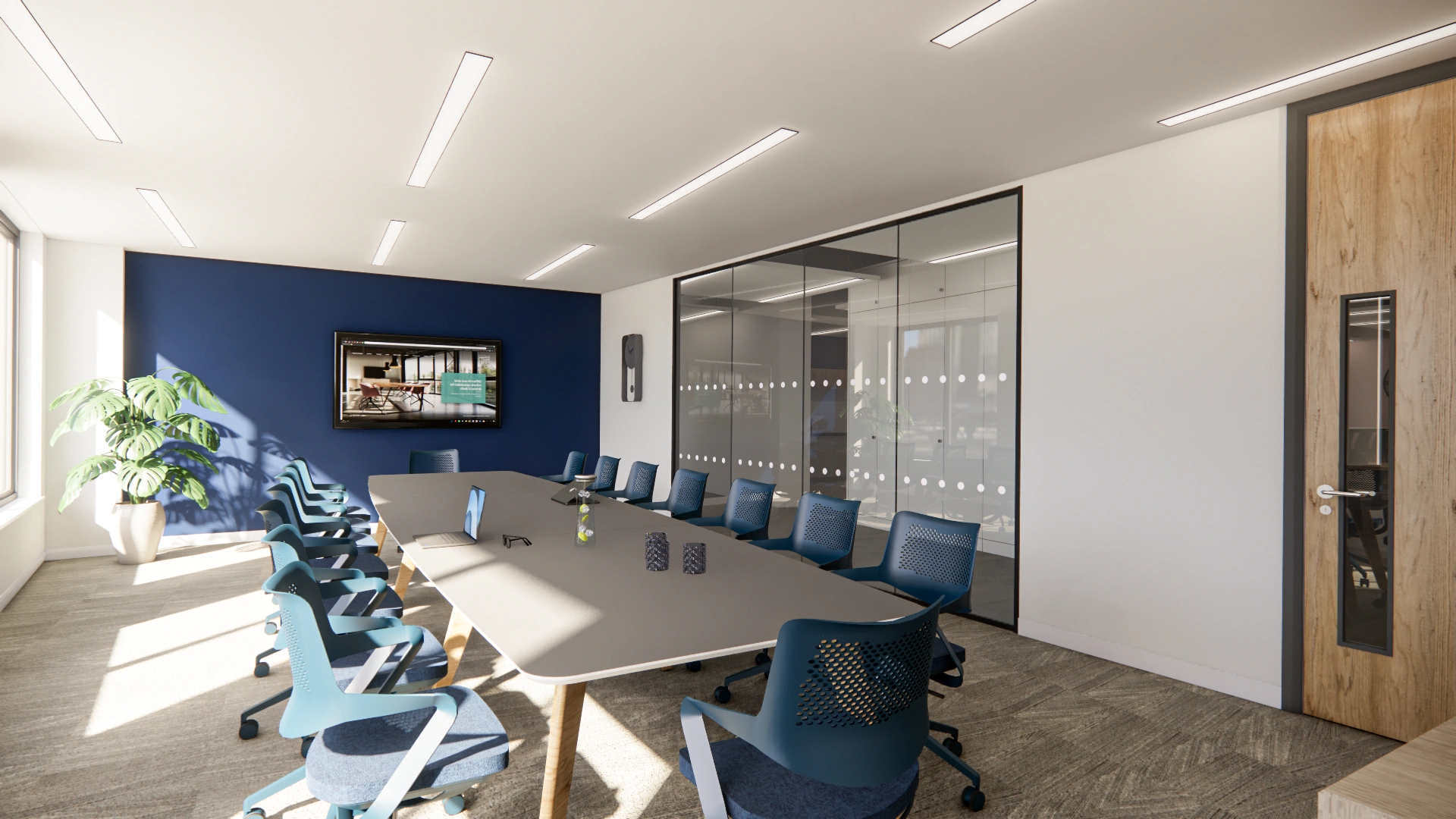
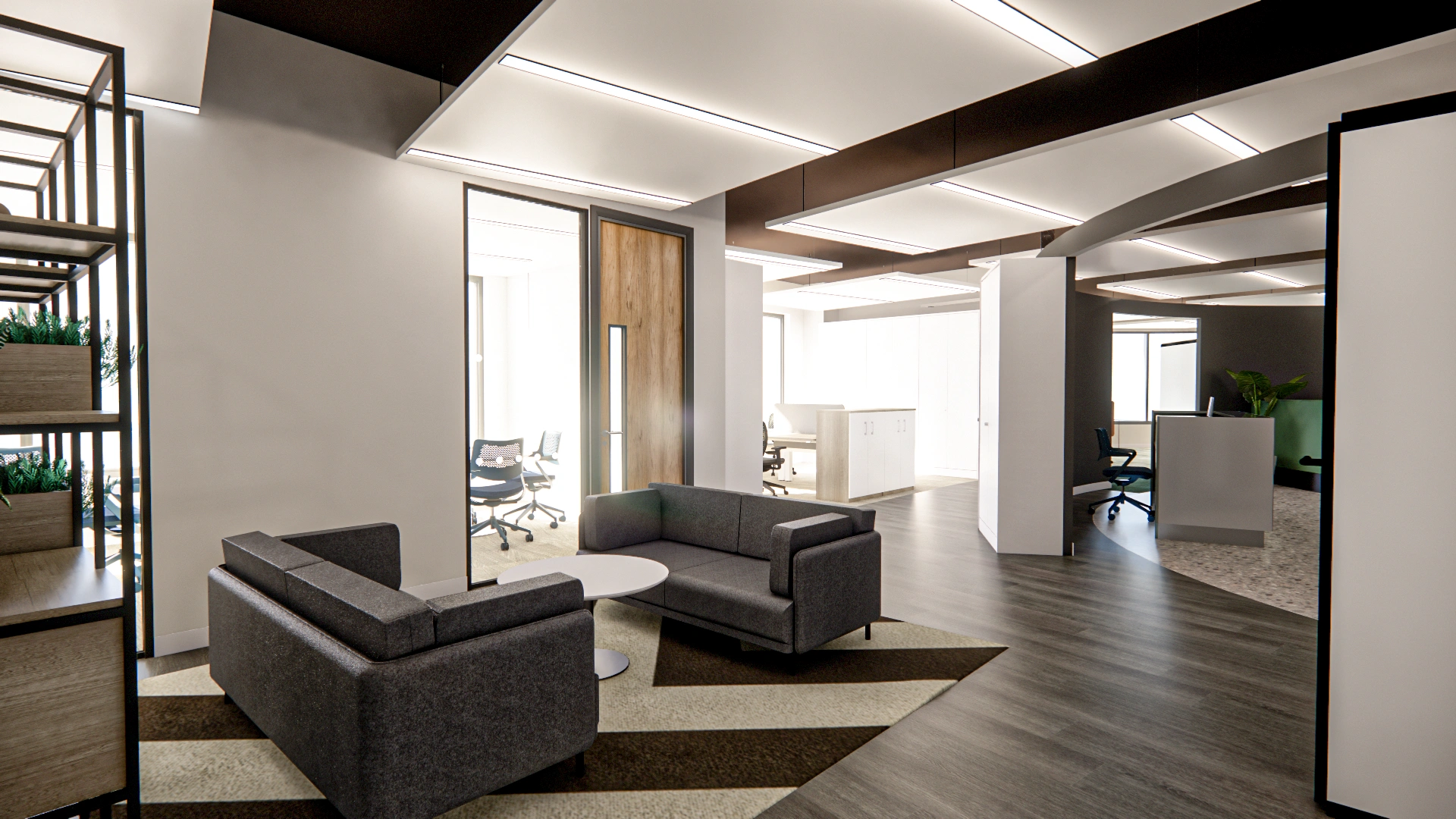
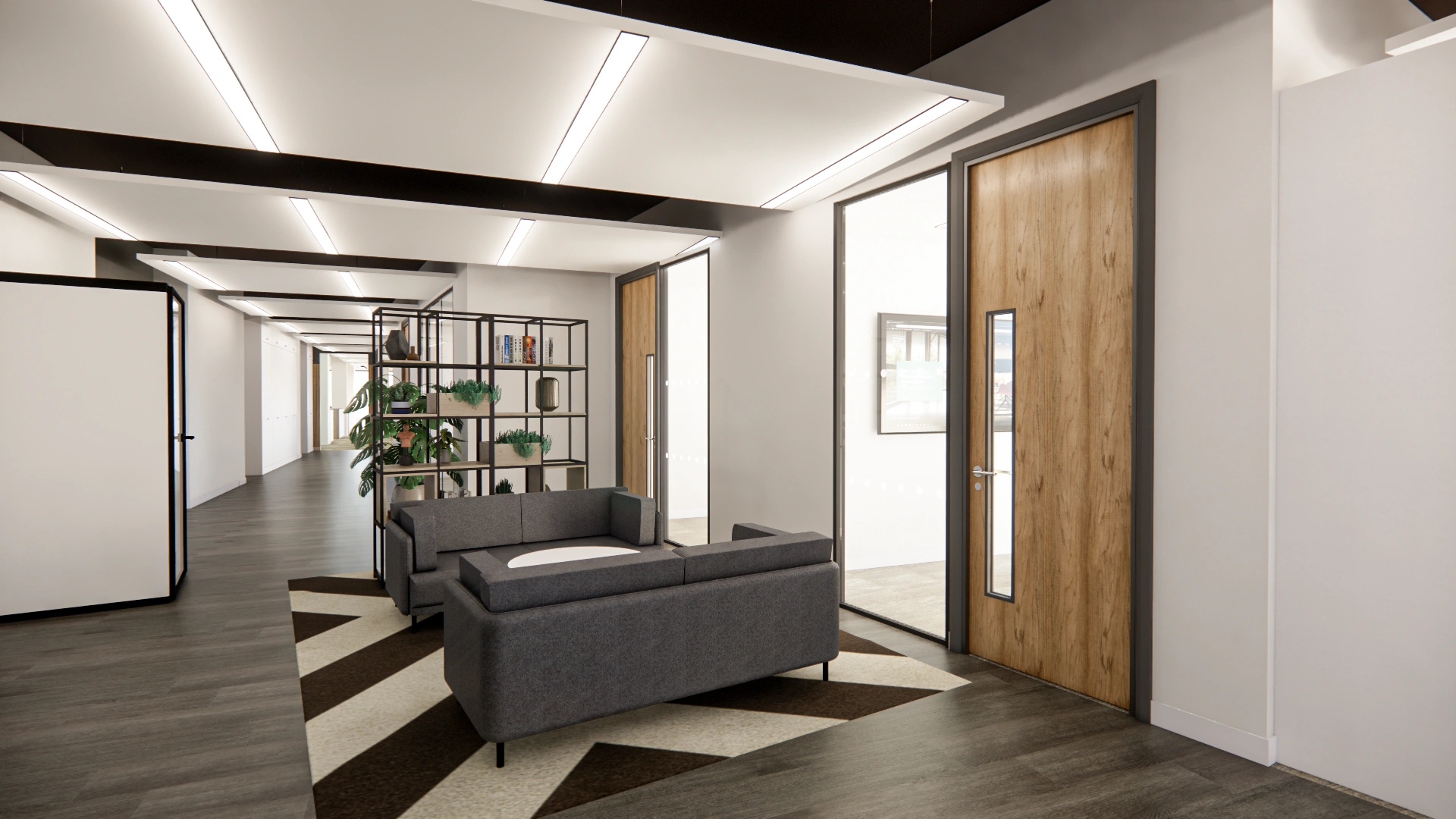
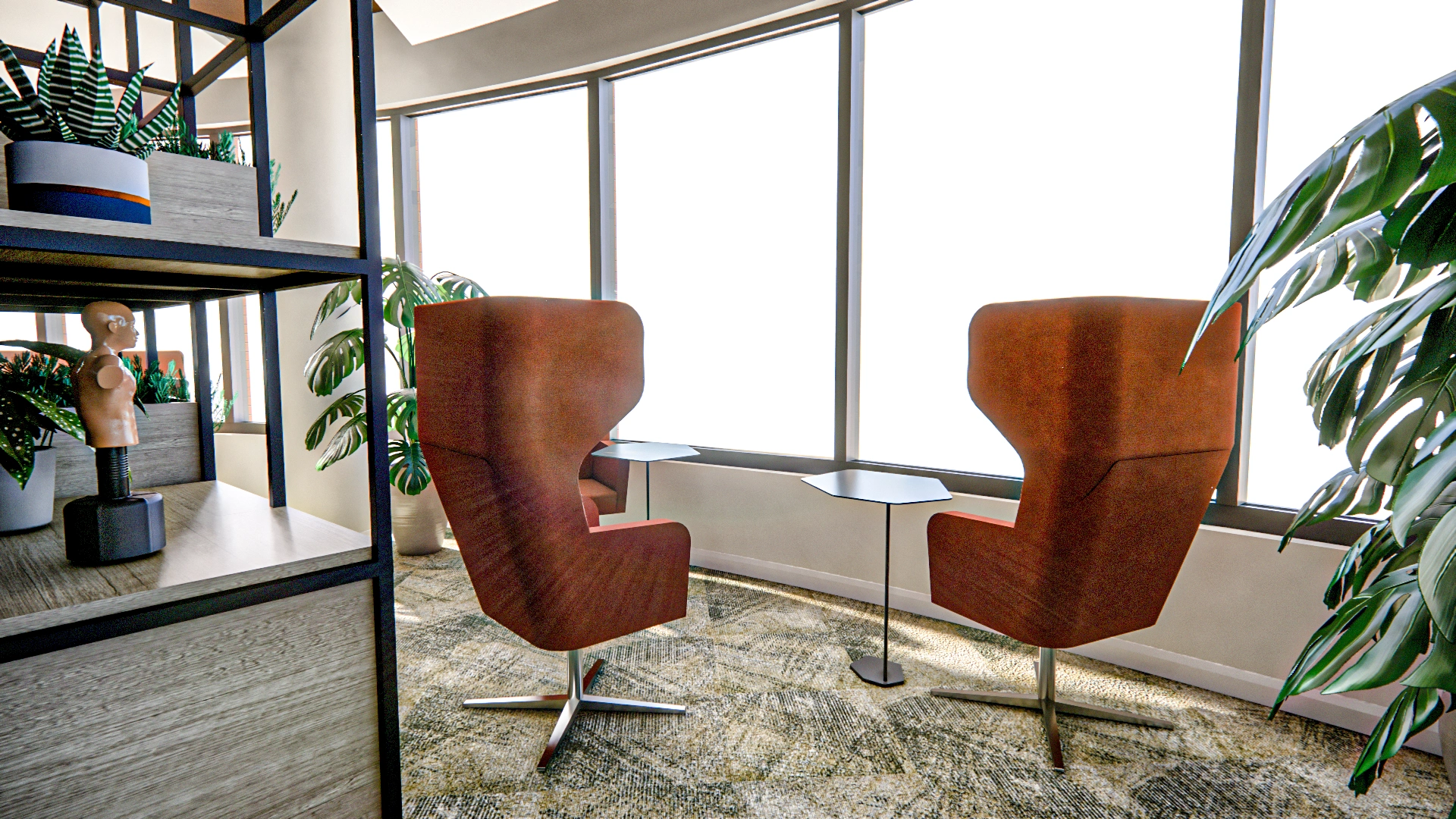
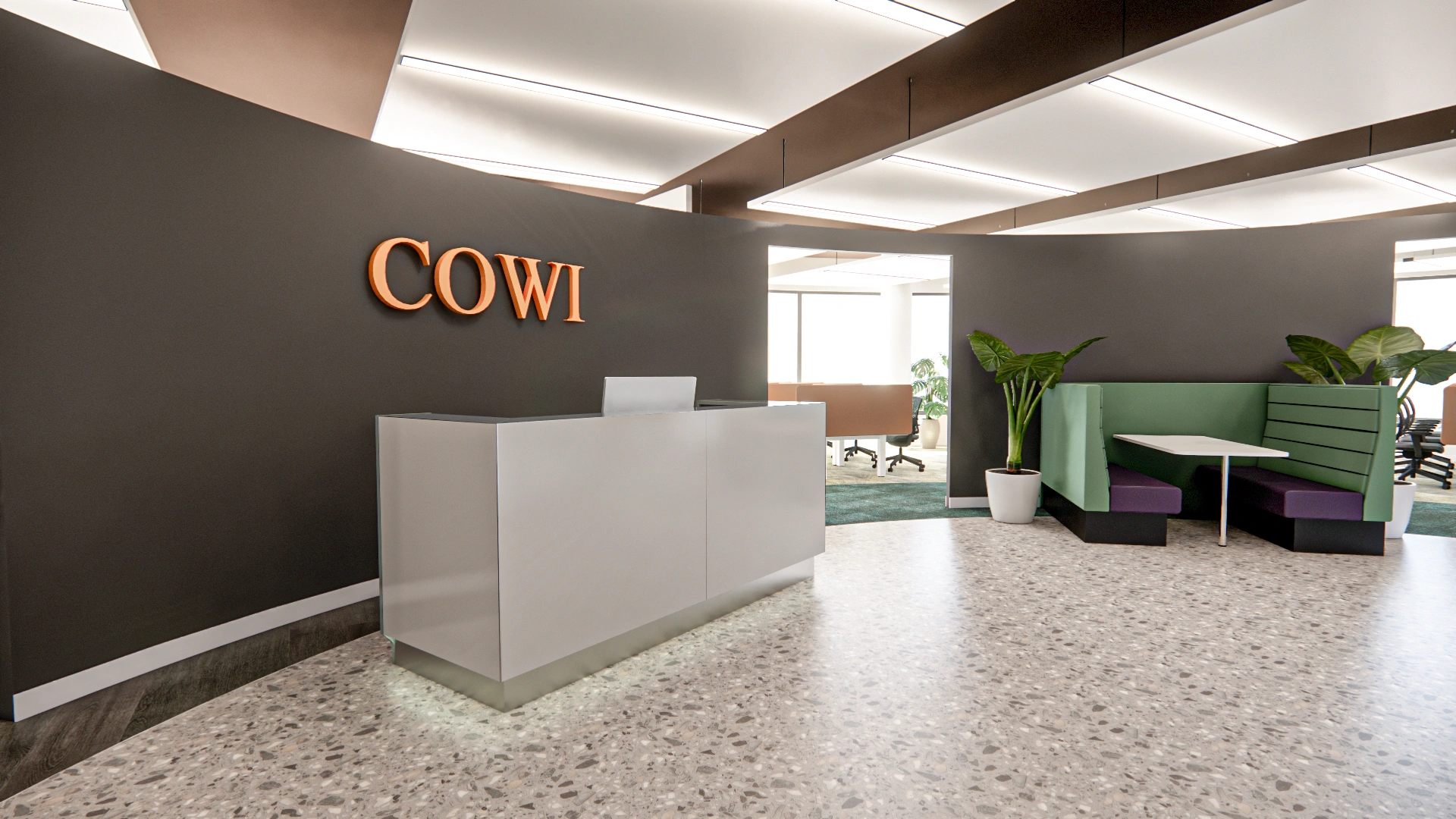
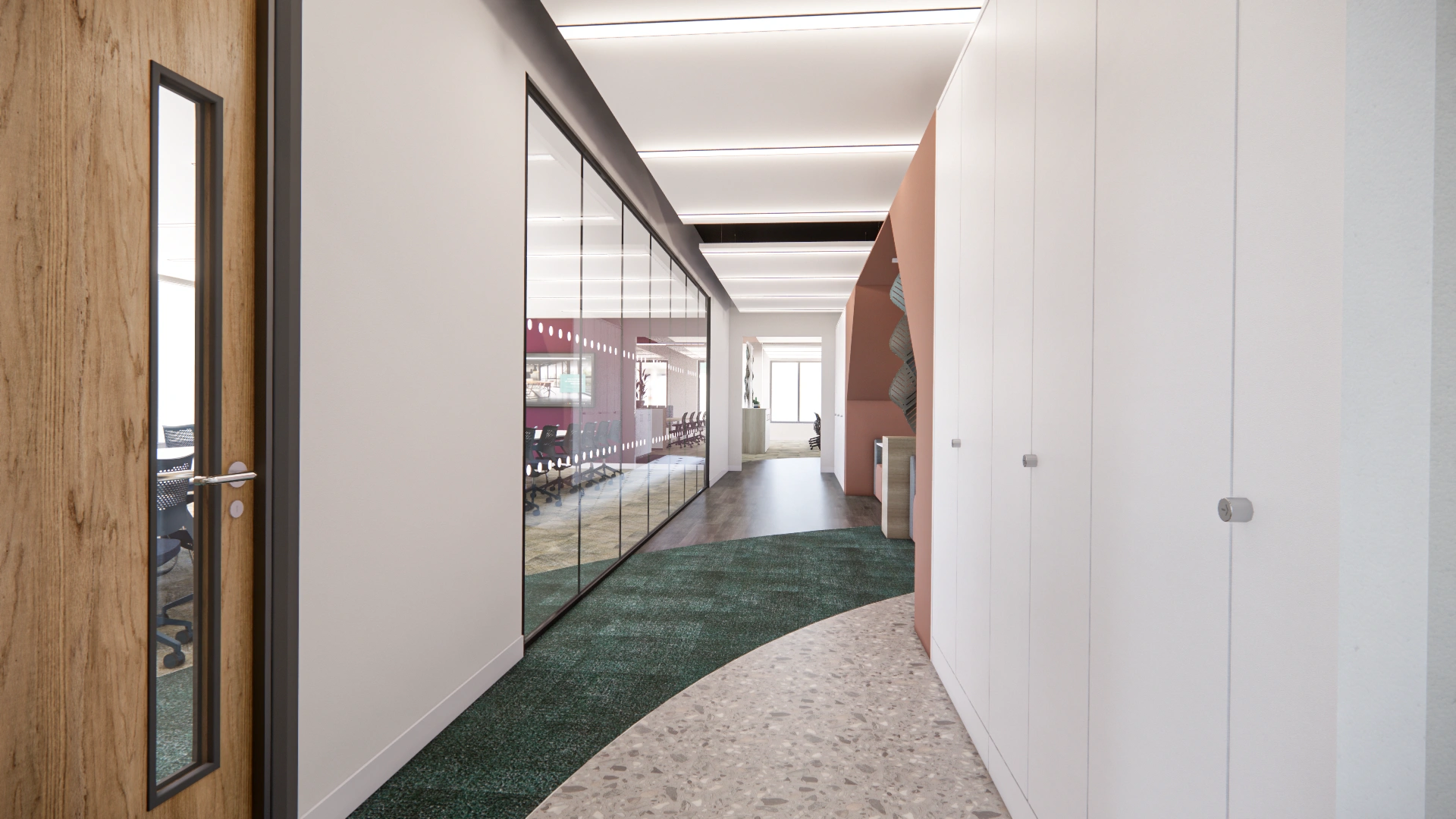
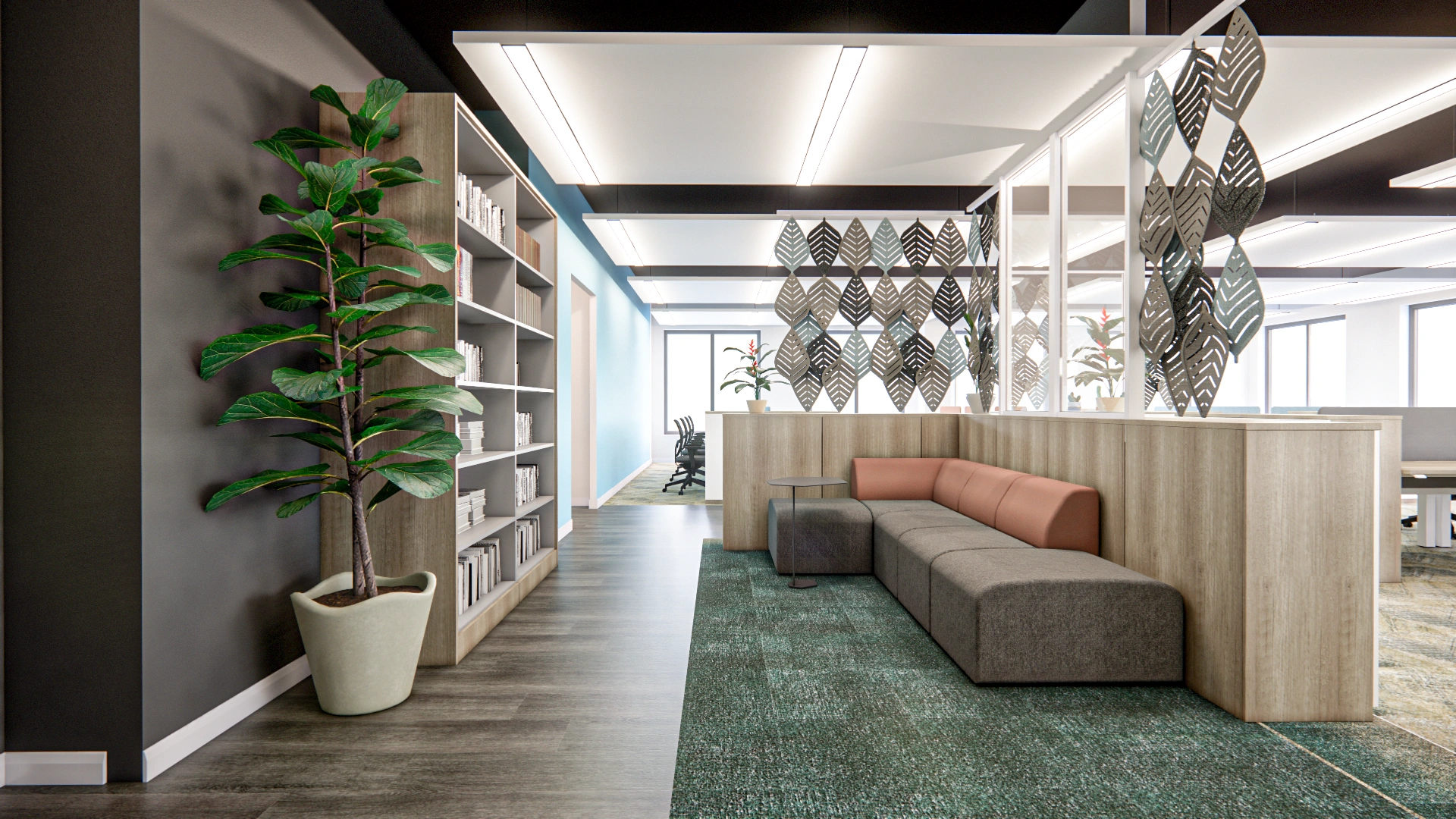
Reception & Meeting
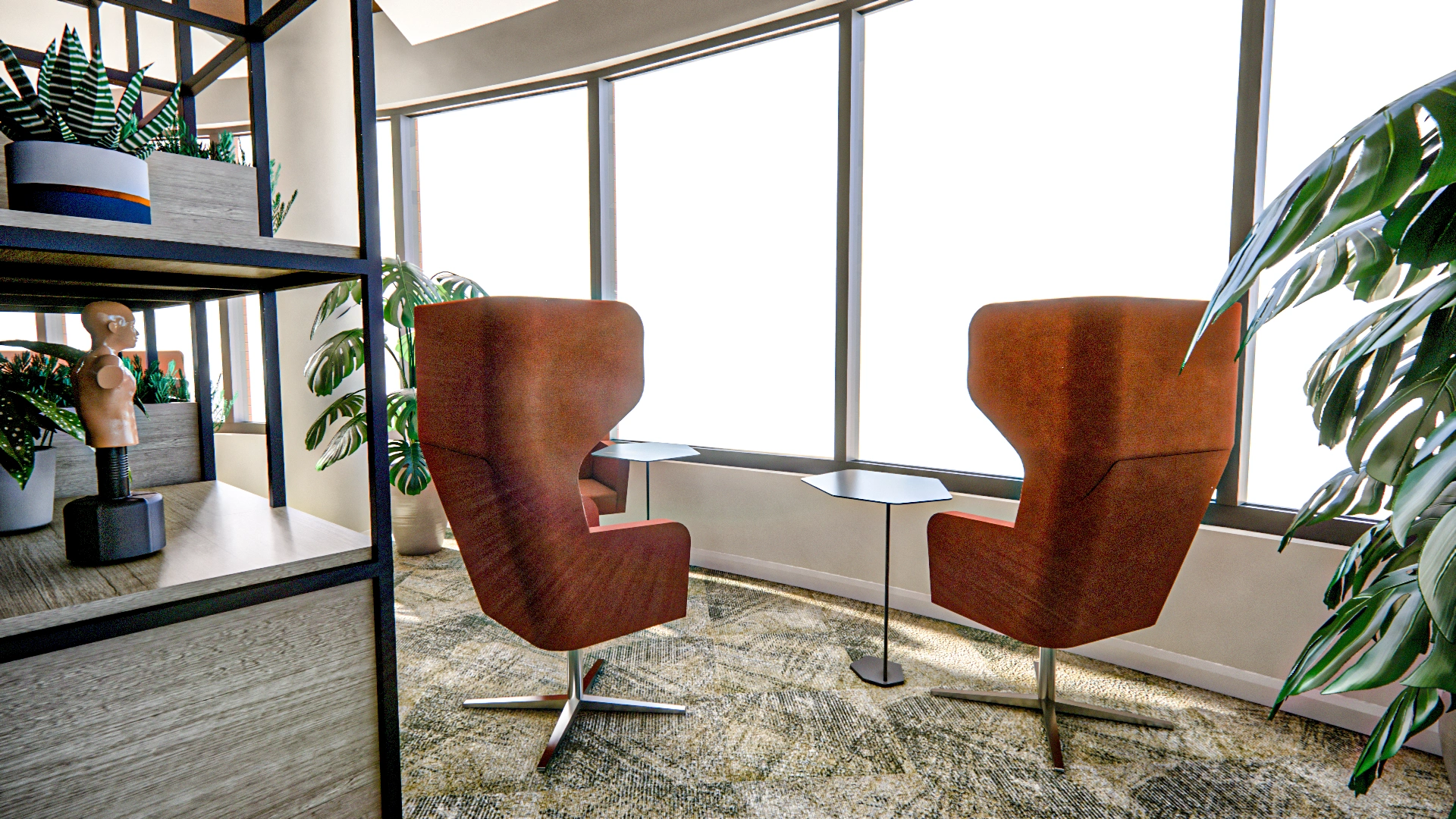
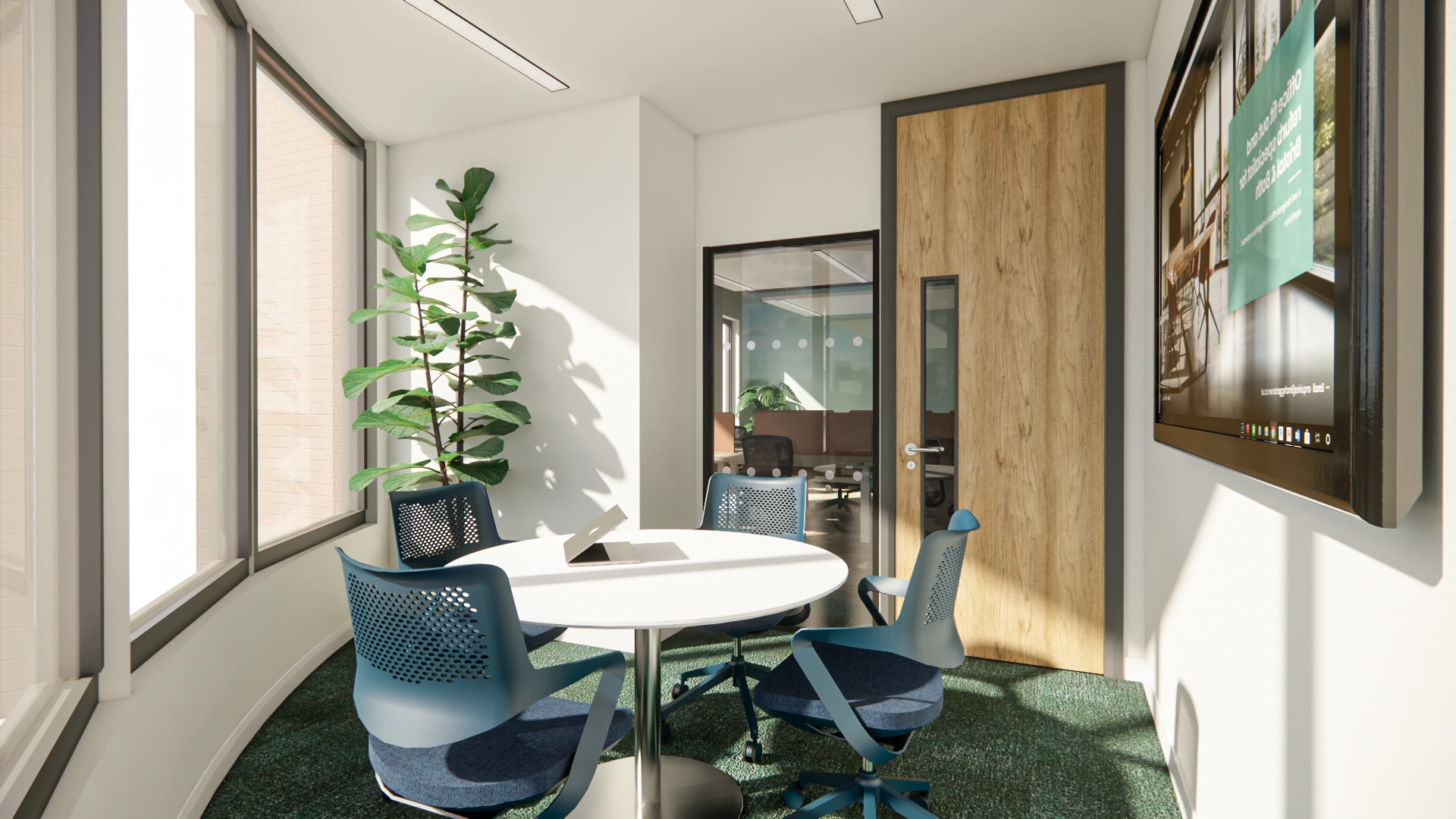
 Natural light floods this area -
with views out across London.
Soft seating positioned looking across London
provides comfort in a quiet surrounding
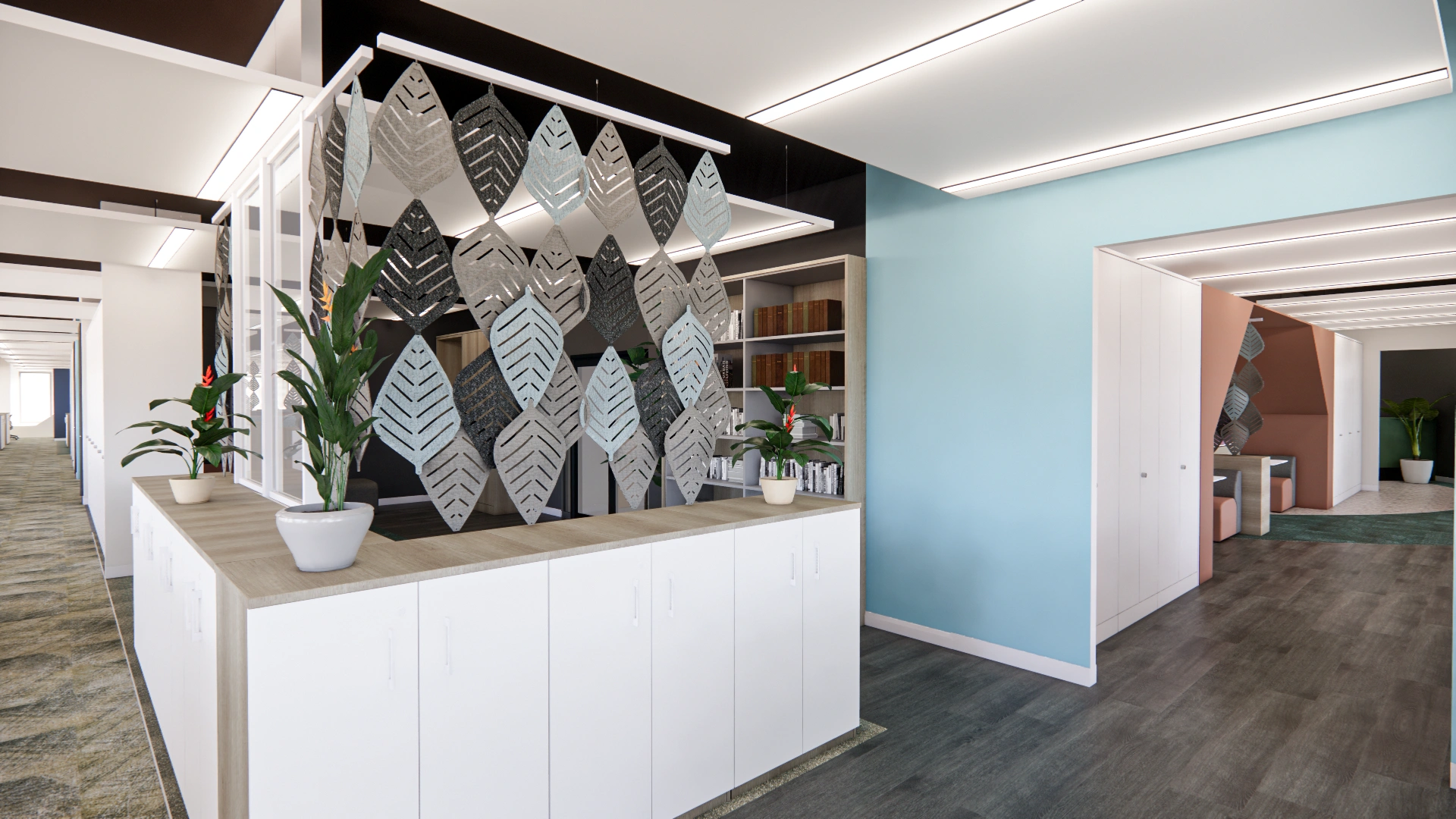
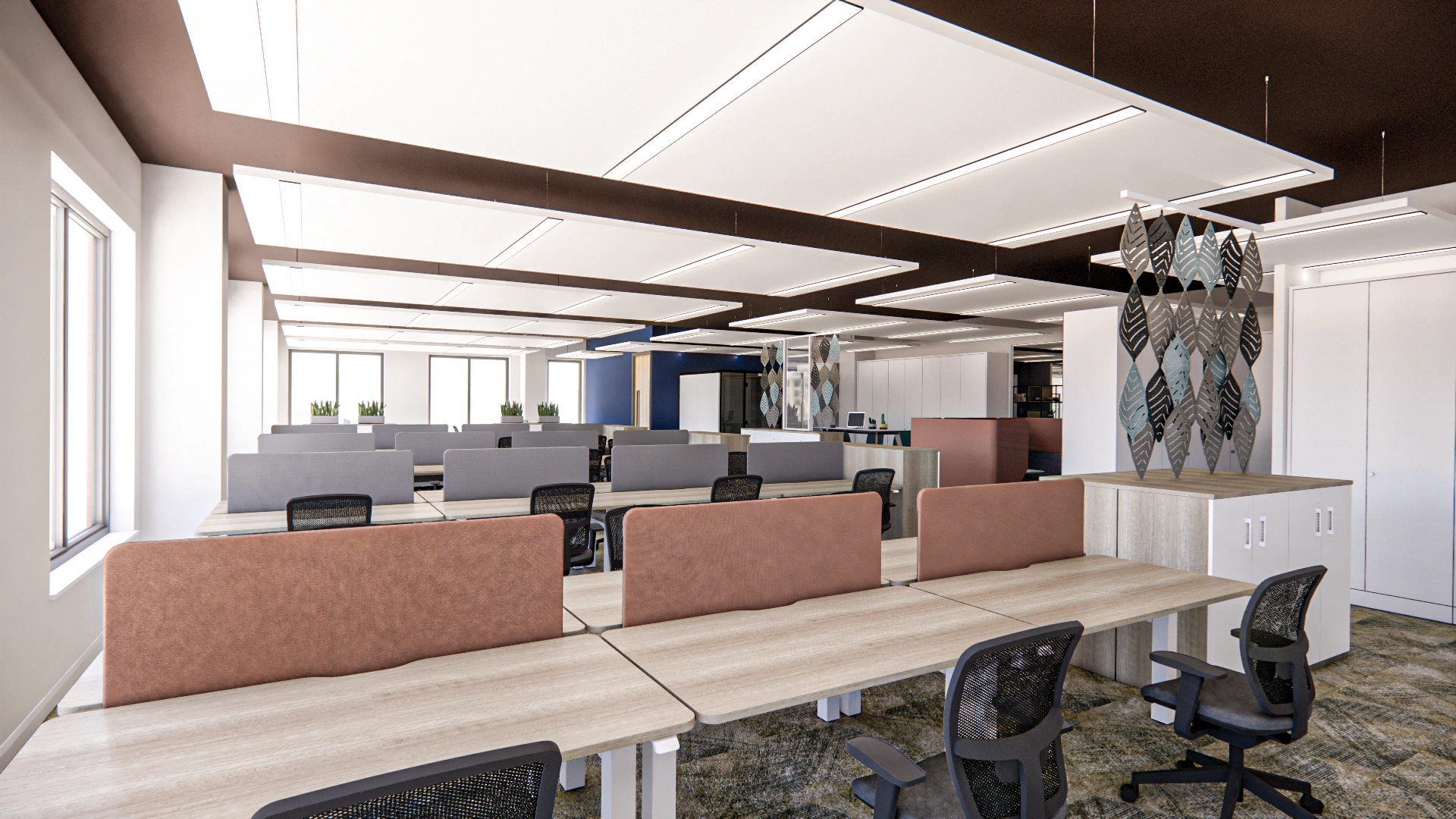
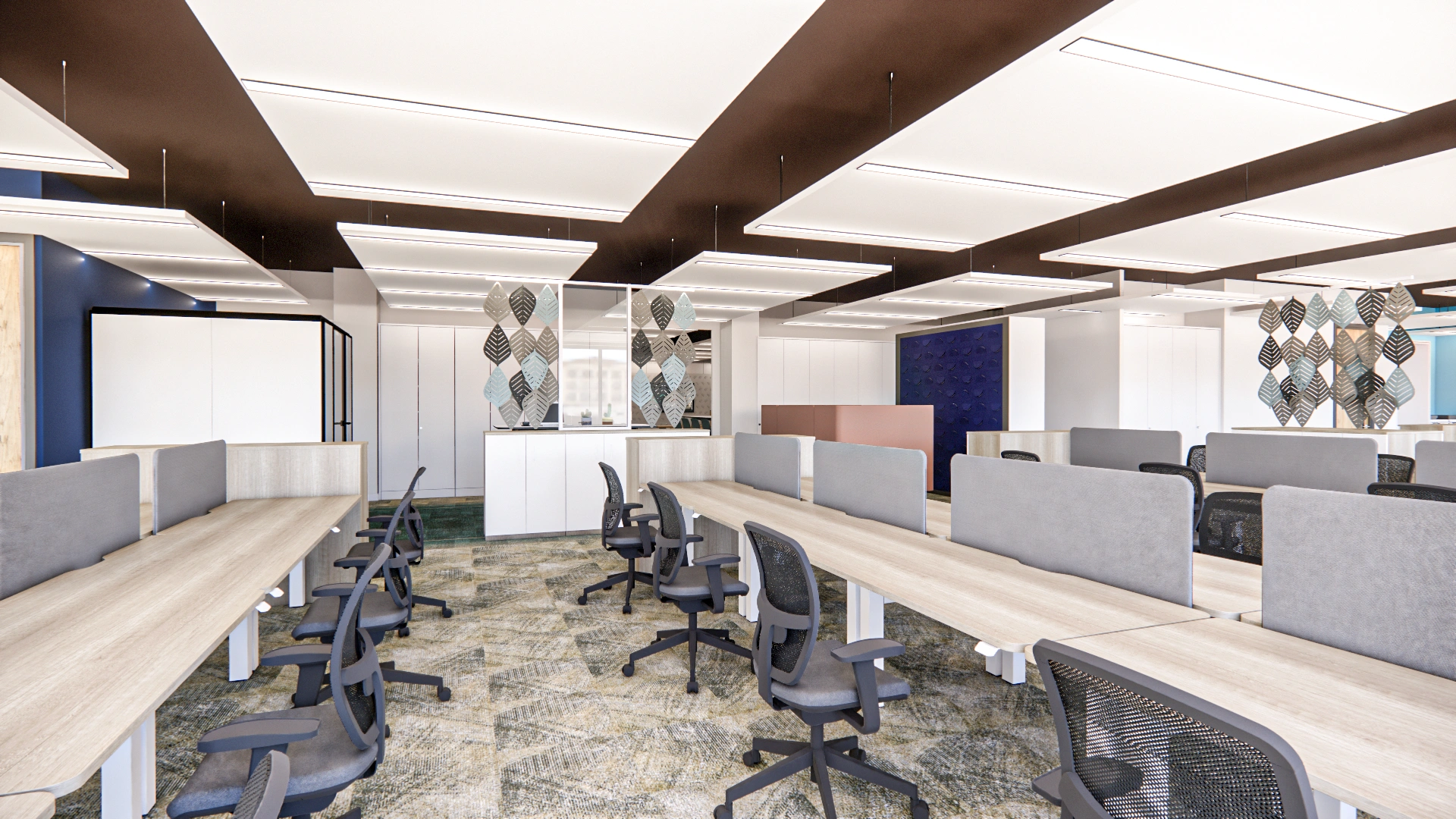
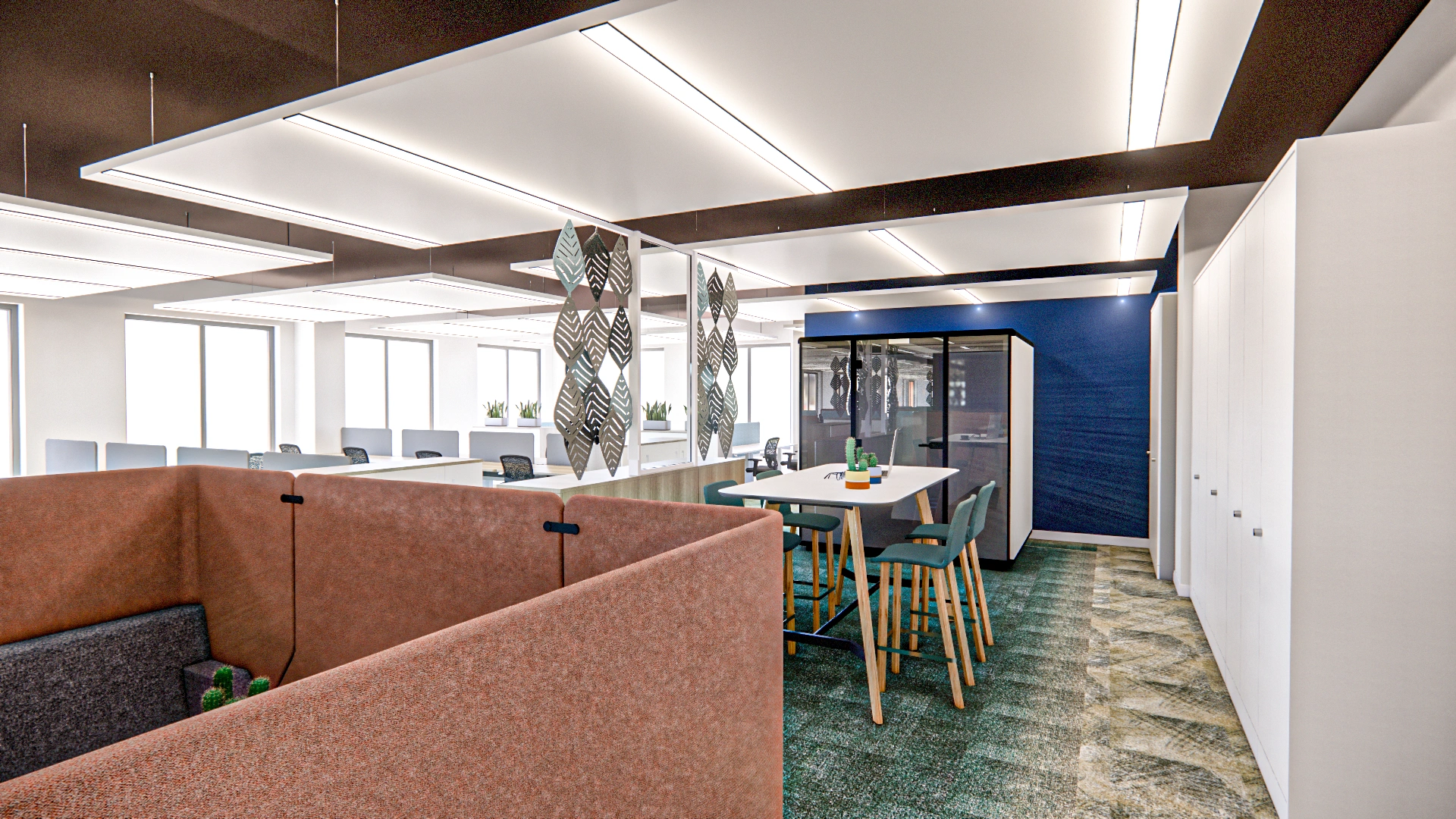
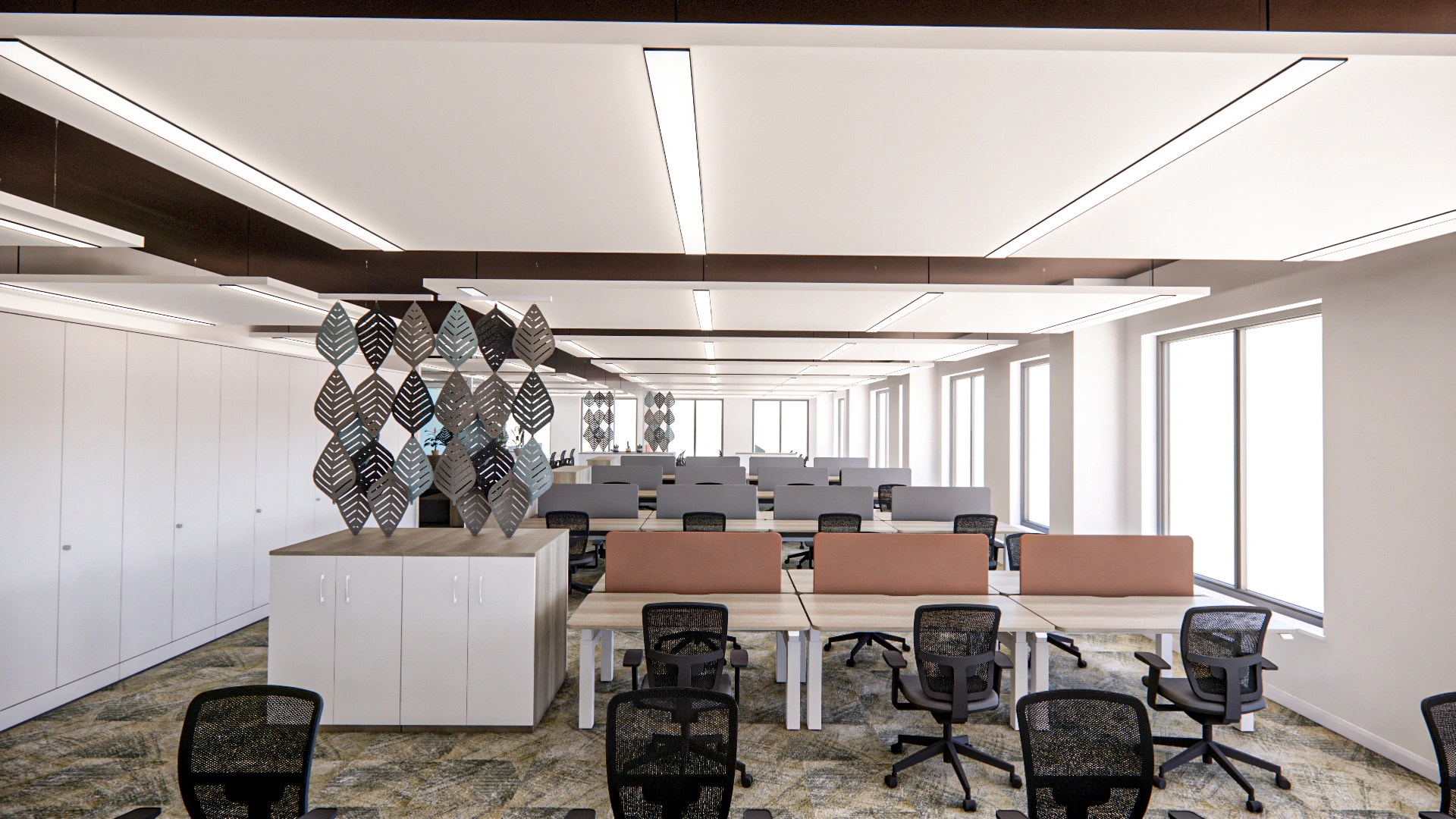
Open Office & Collab Area
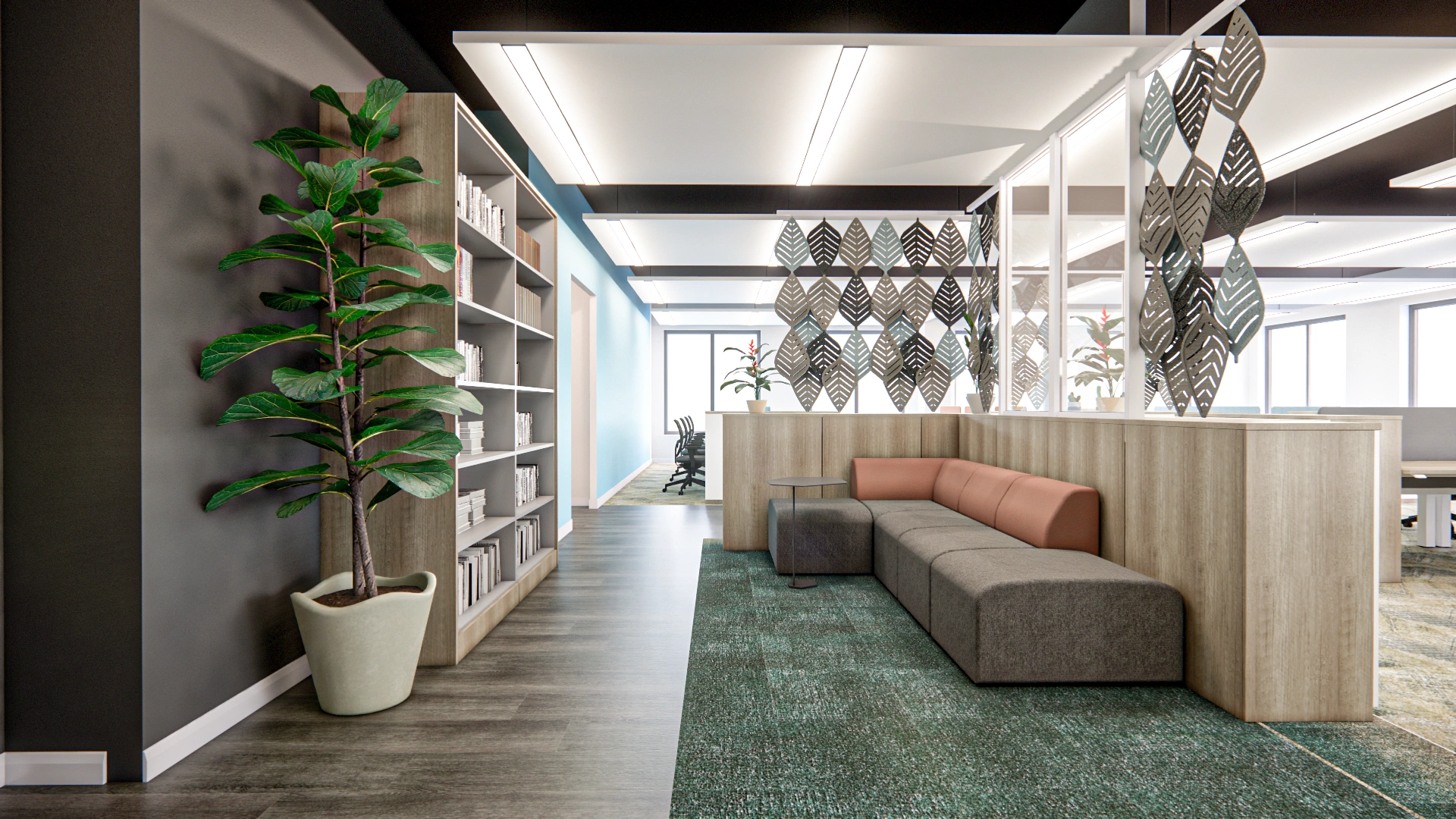

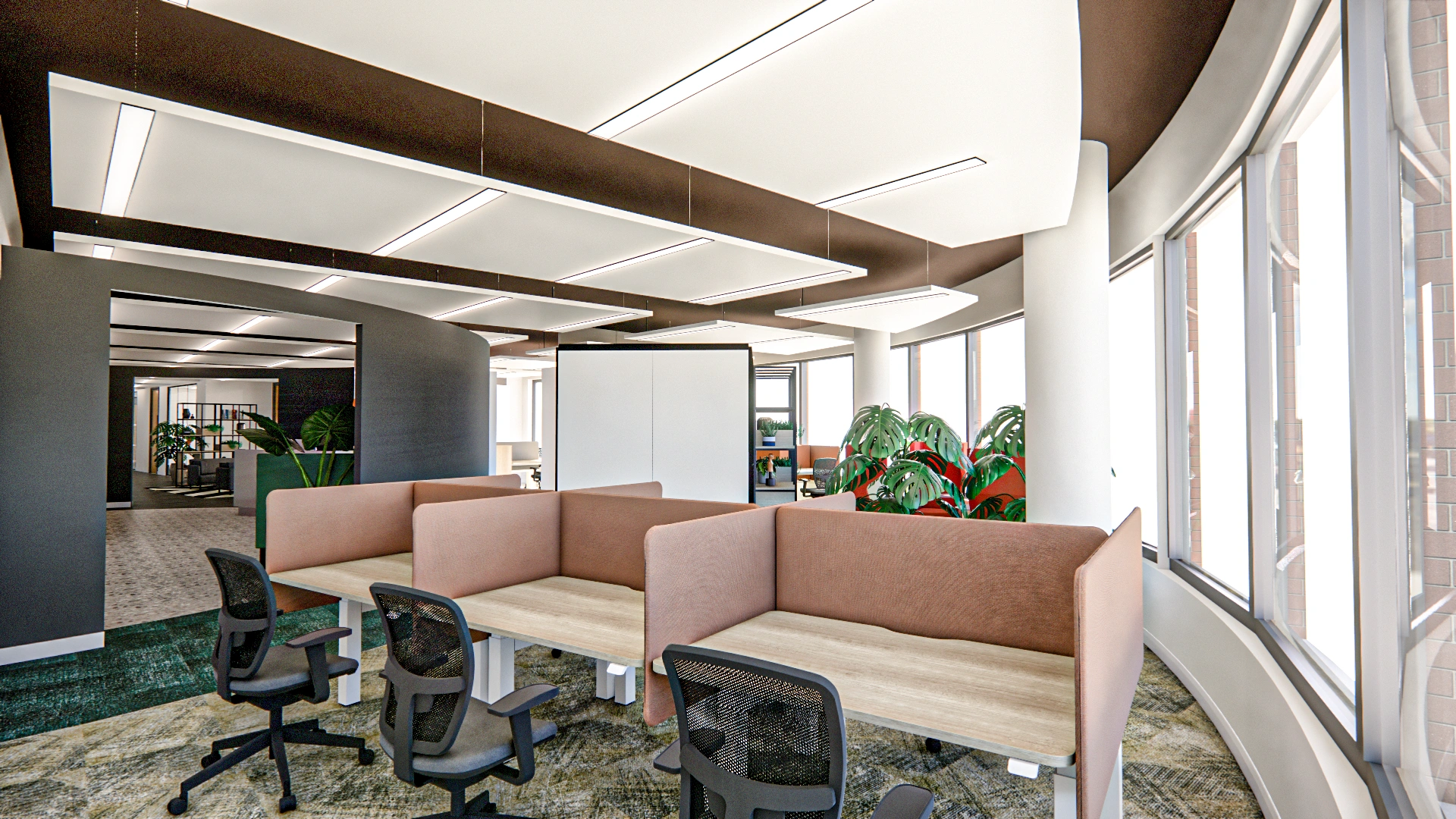
Acoustic comfort across the
office is enhanced by the
addition of acoustic felt leaves
that help to break up the
desking, while absorbing sound.

Introducing interior plants into an office space increases
the humidity levels, and reduces minor health
problems among staff. In fact, studies have shown that
plants can reduce sick building syndrome by around
25%, and thus reduce absenteeism and increase the
overall health of workers
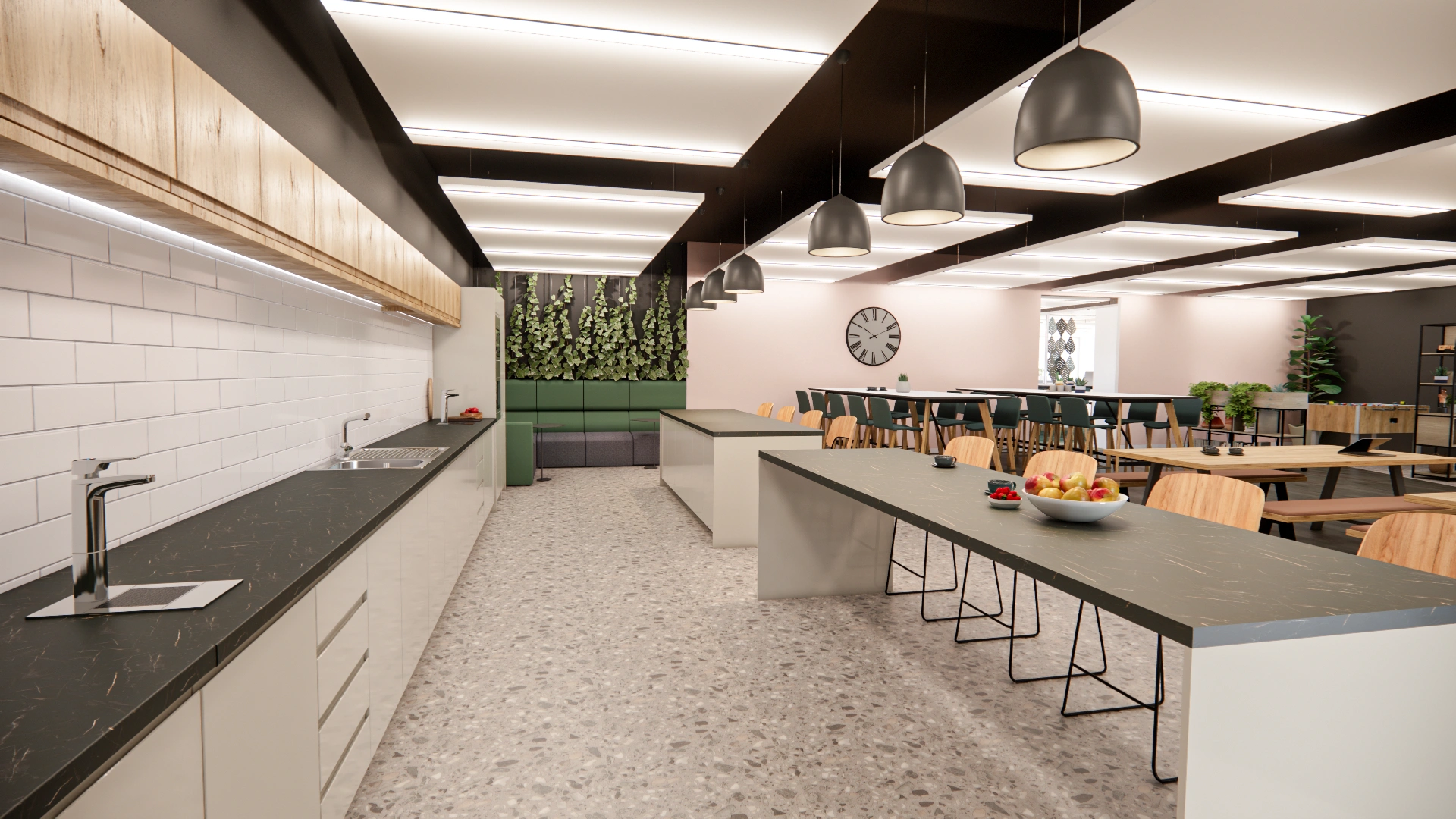
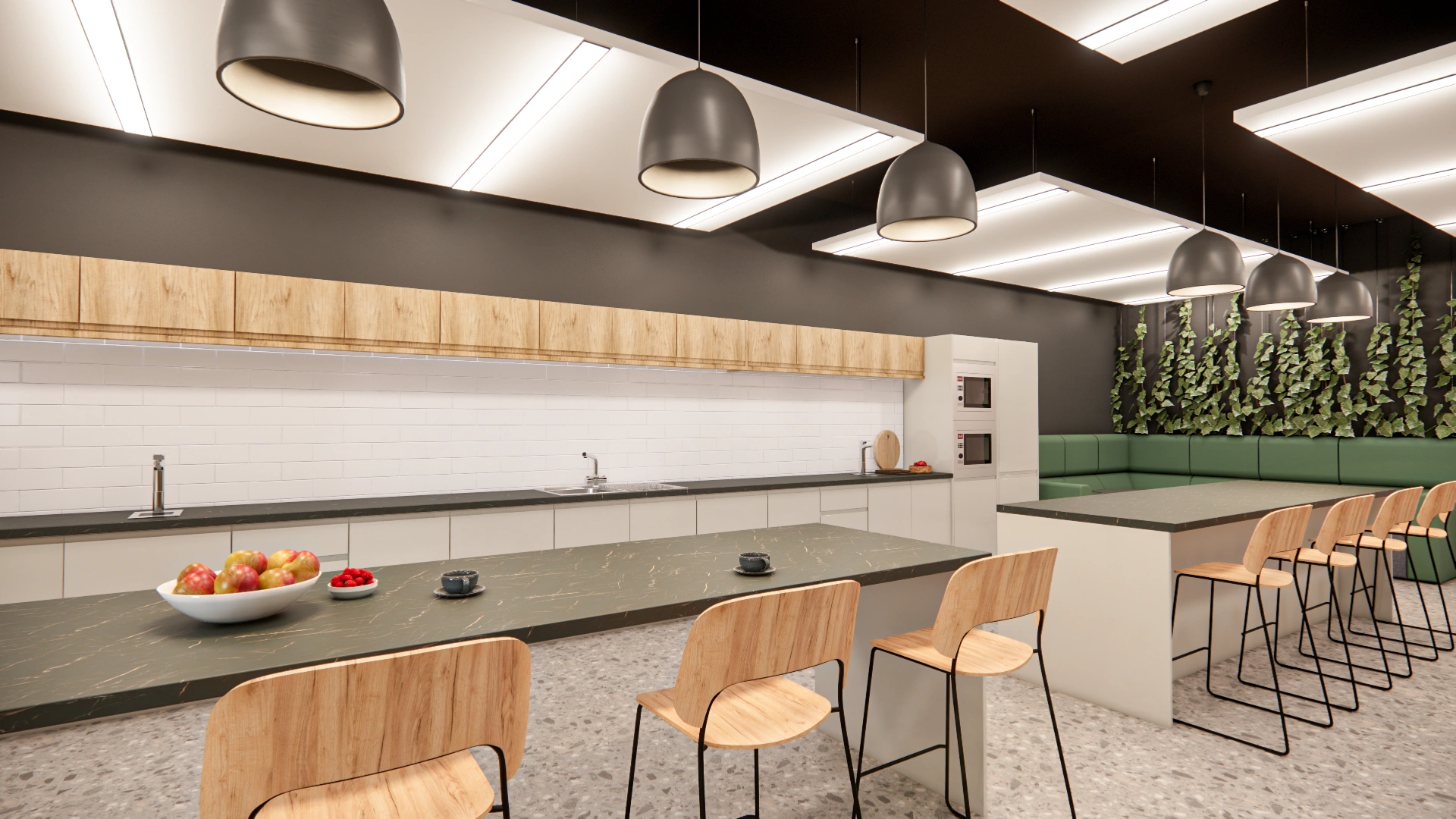
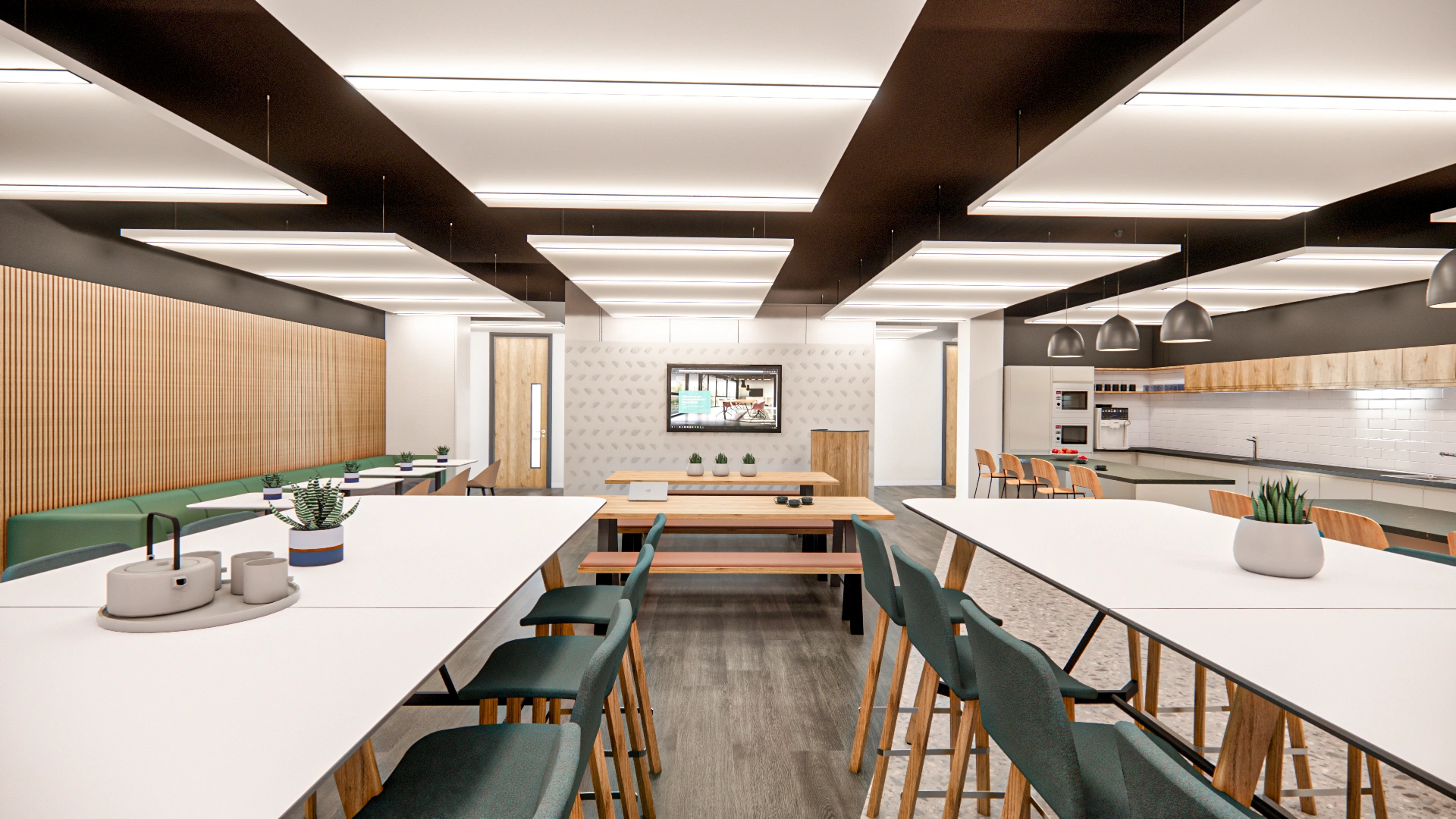
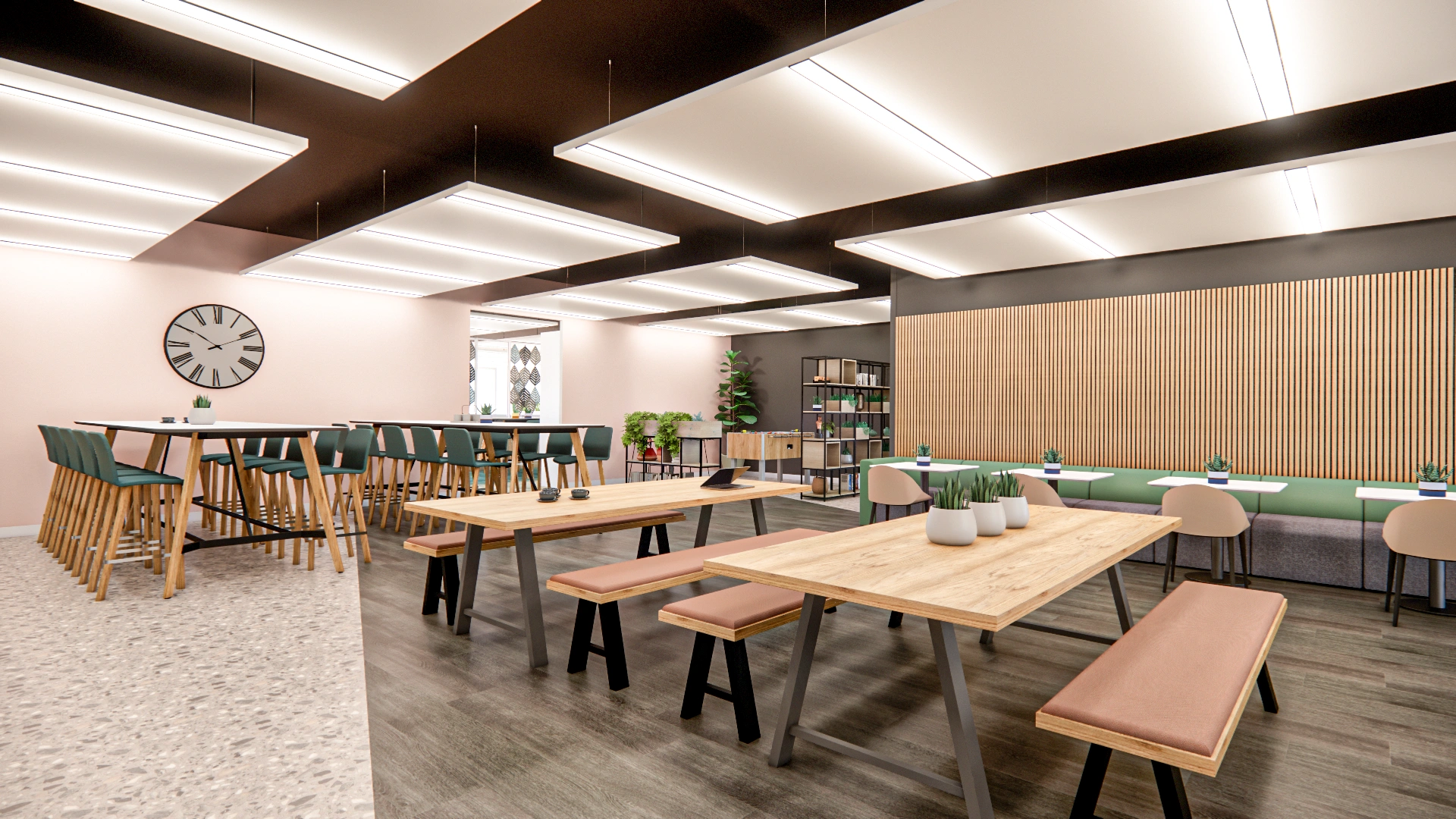
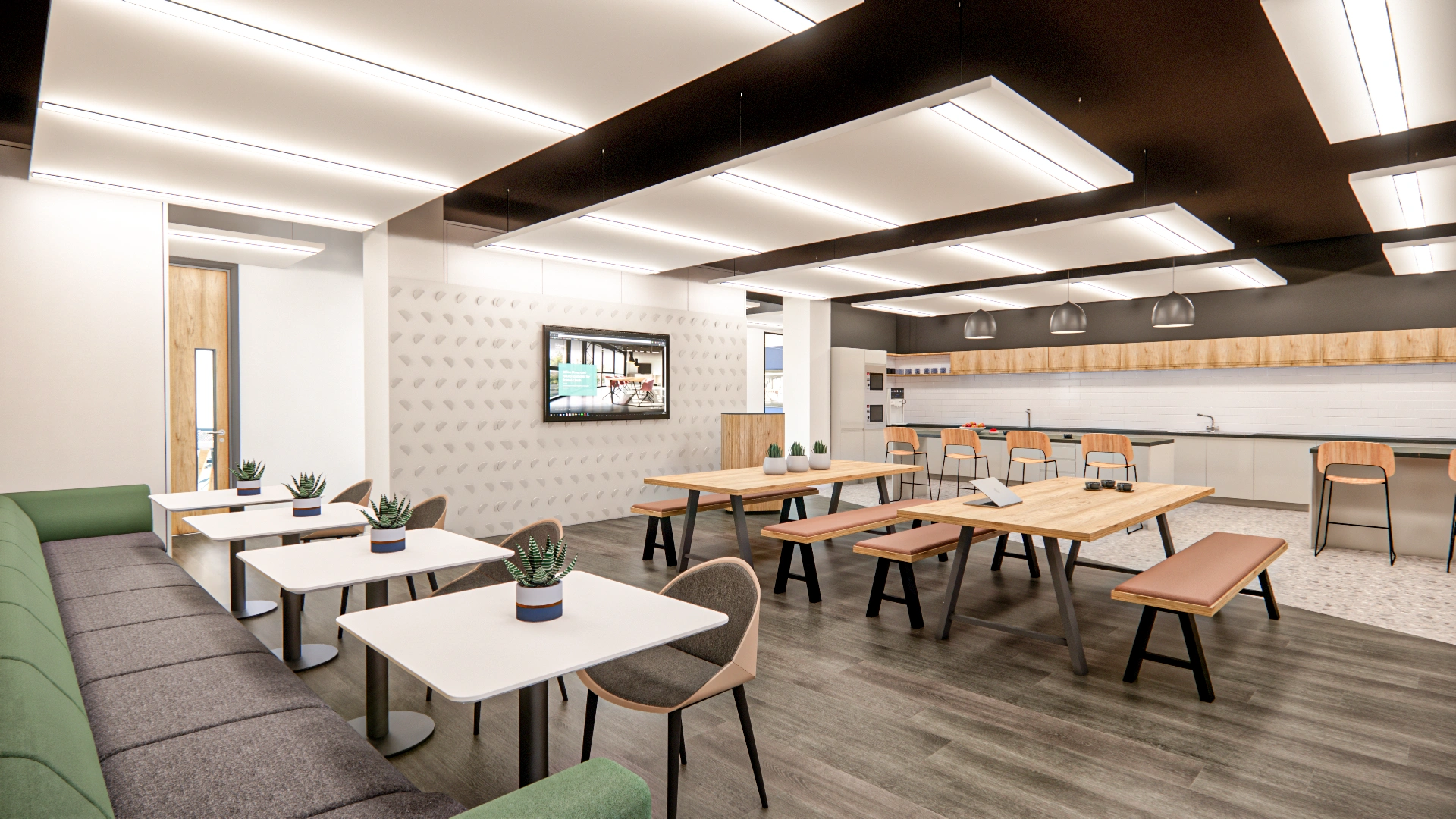
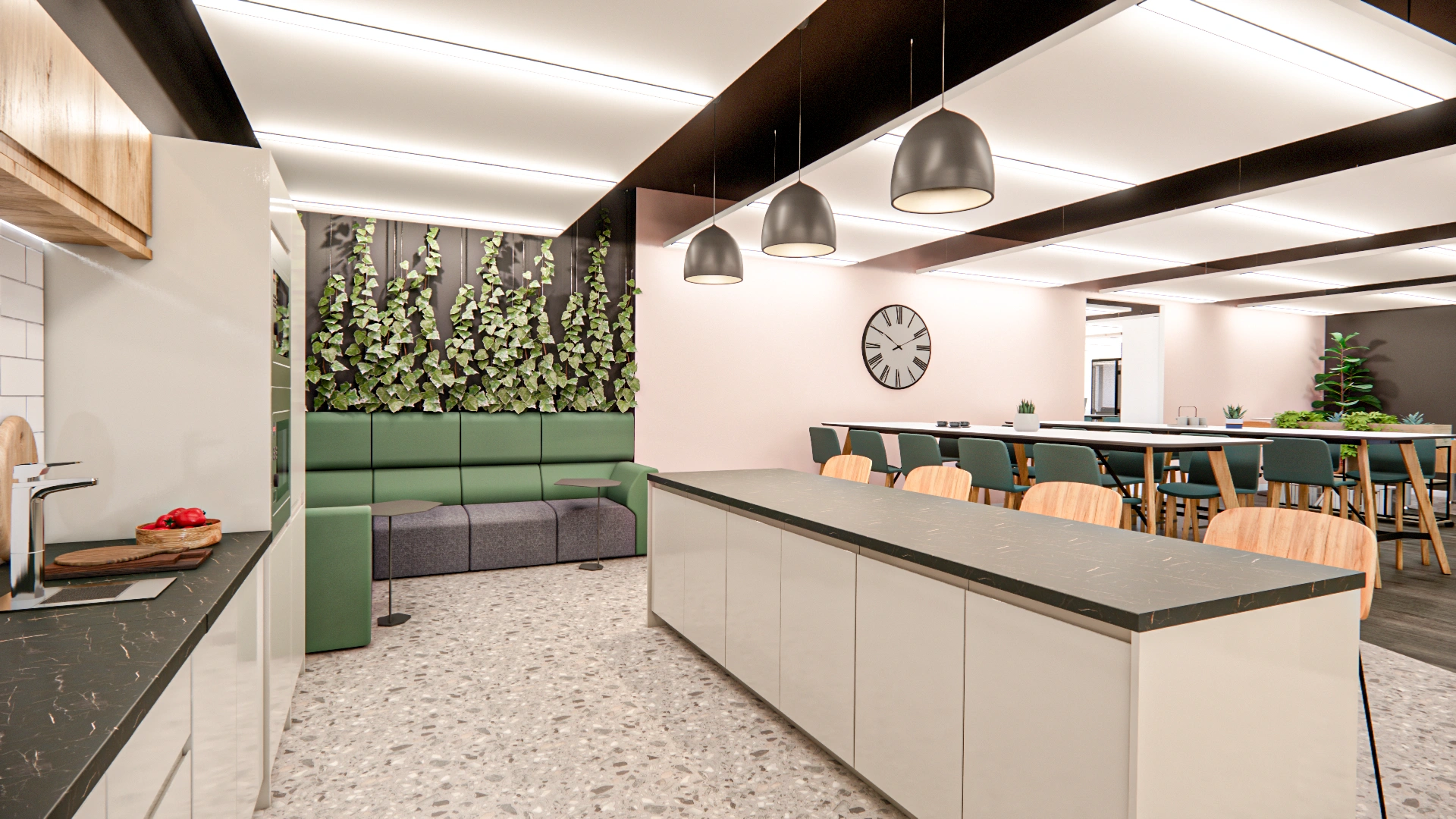
Kitchen & Breakout
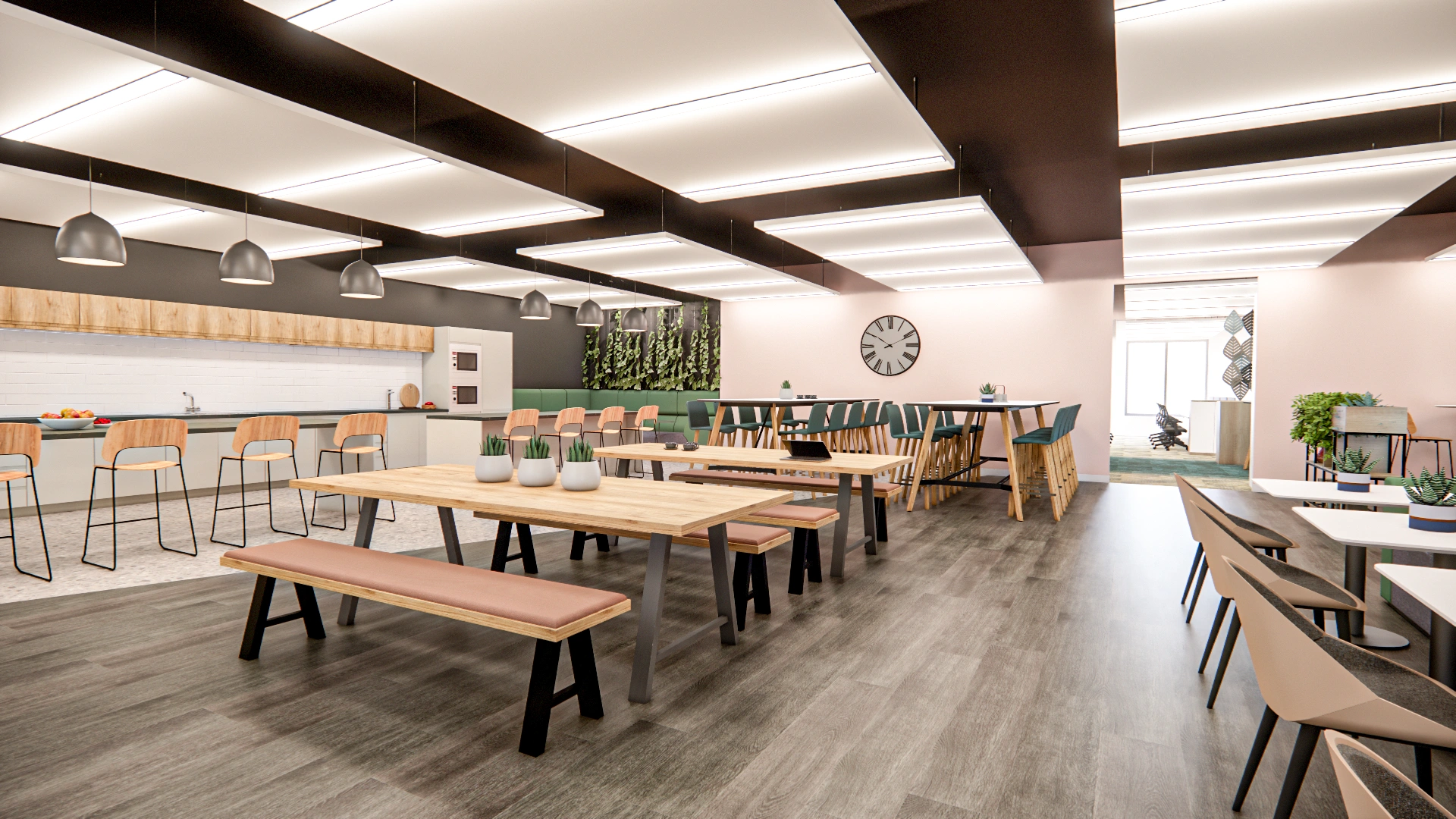
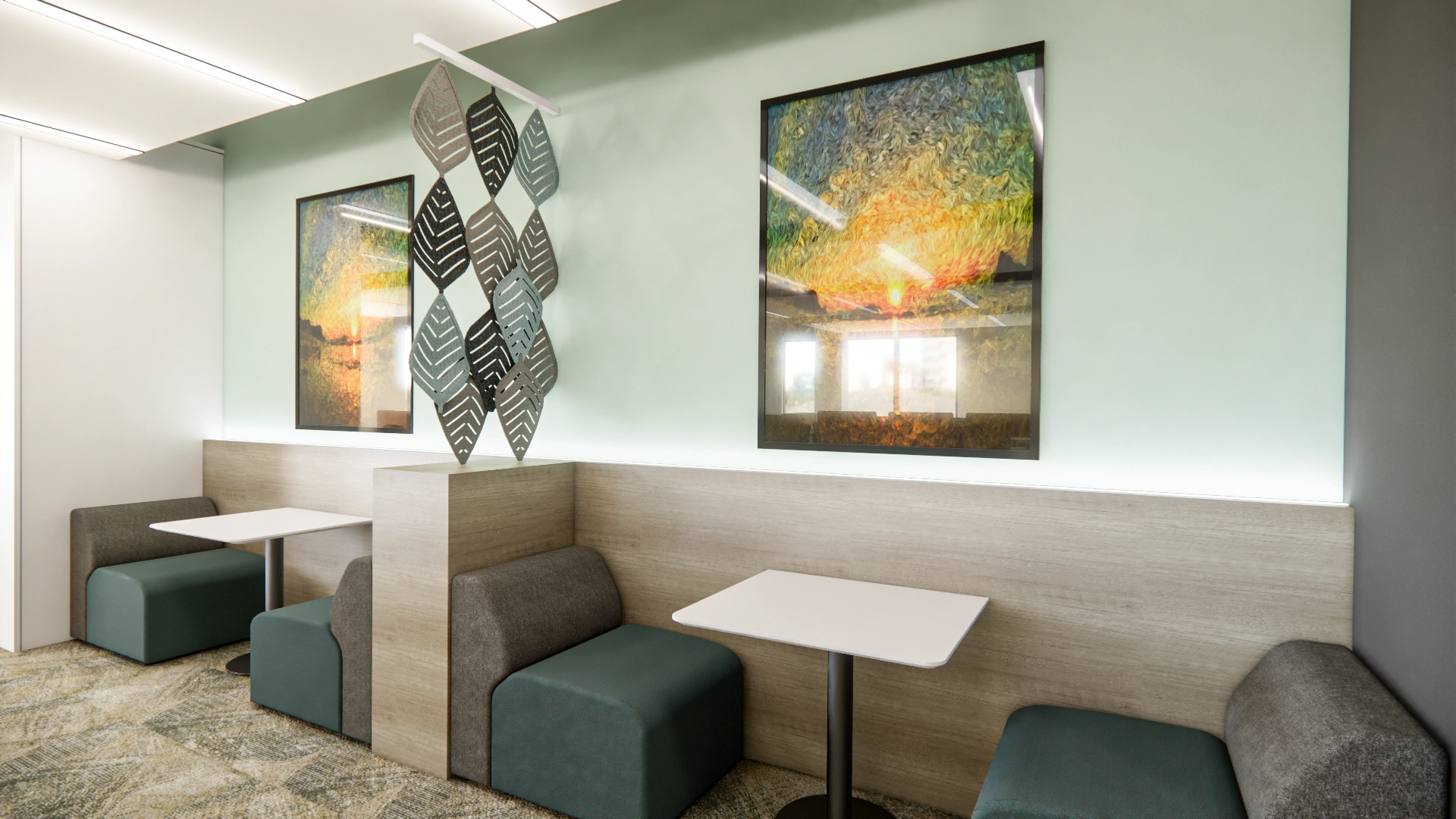
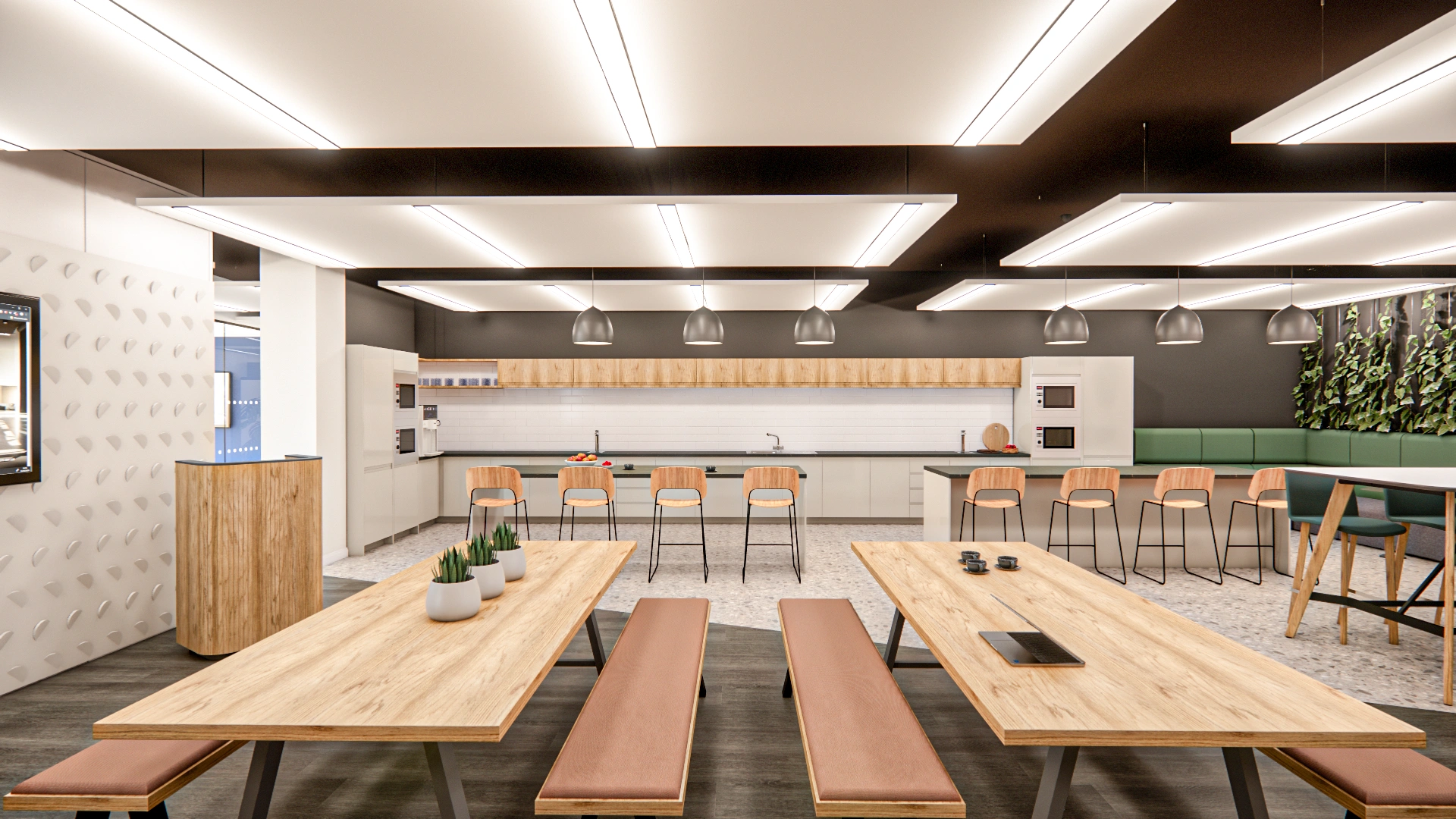
The kitchen provides an
area with space and
appliances to help the users
create healthy meals within
the workplace.
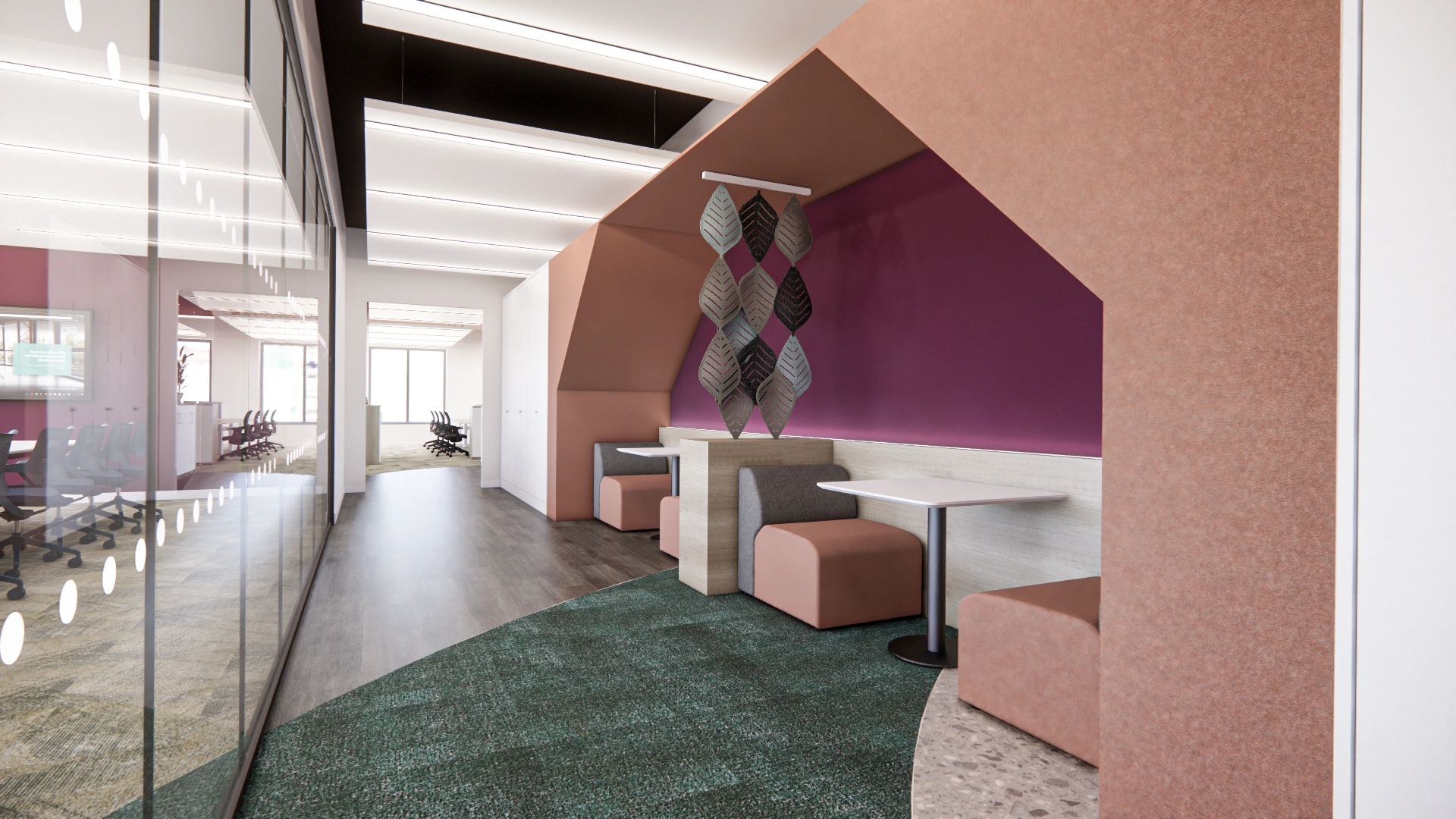
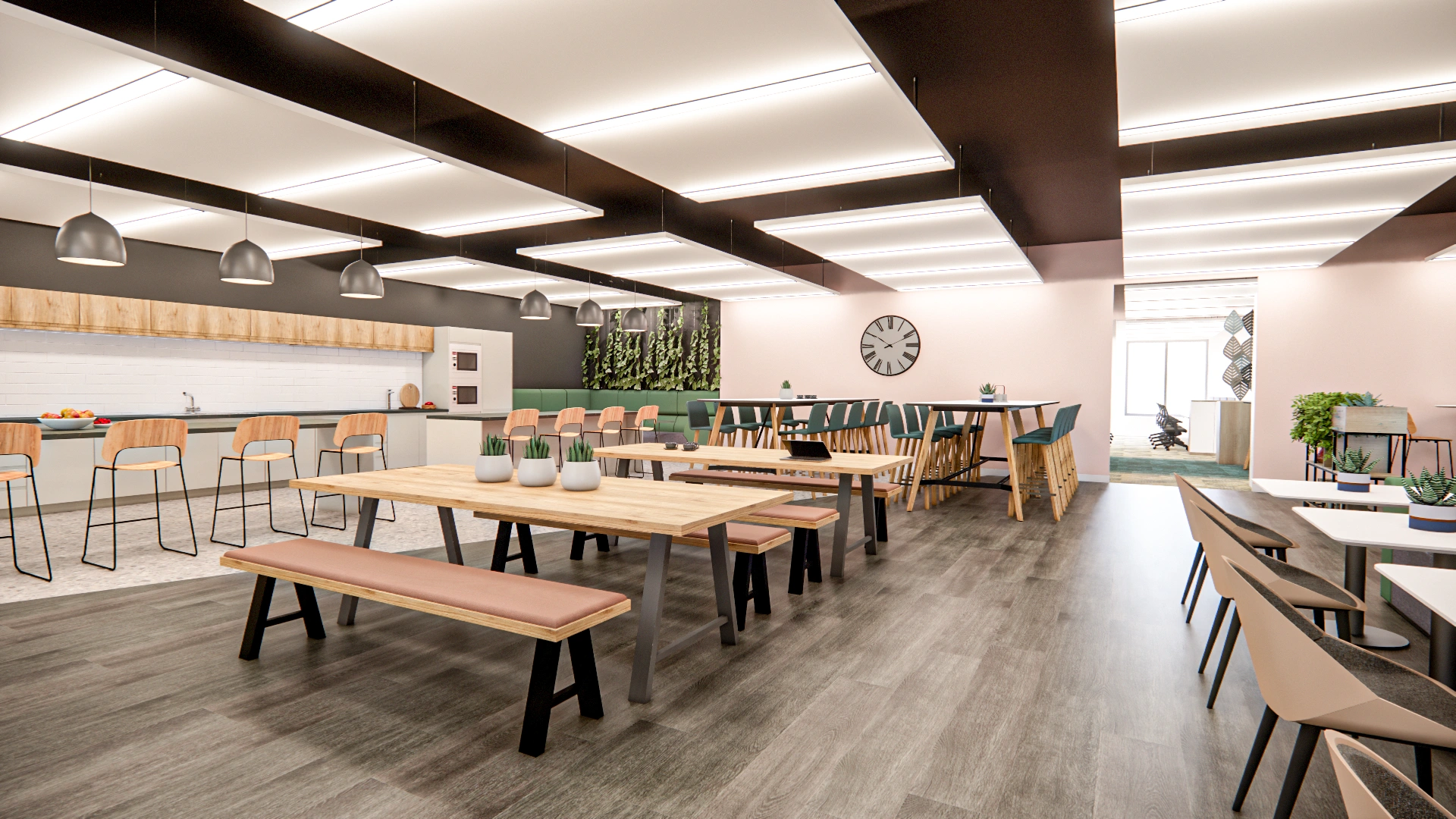
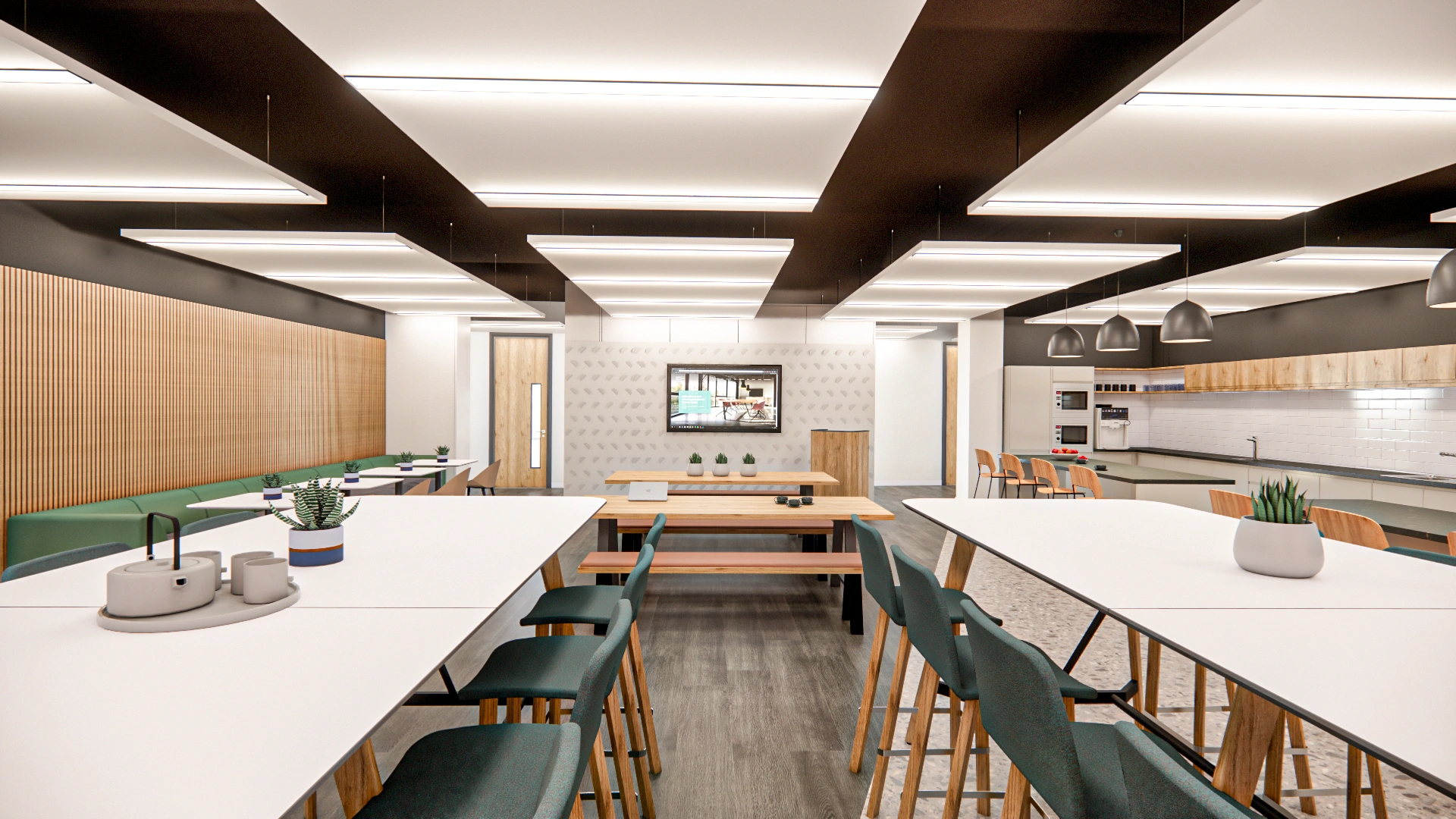
The central breakout area
provides a social hub, bringing people
together in one area.
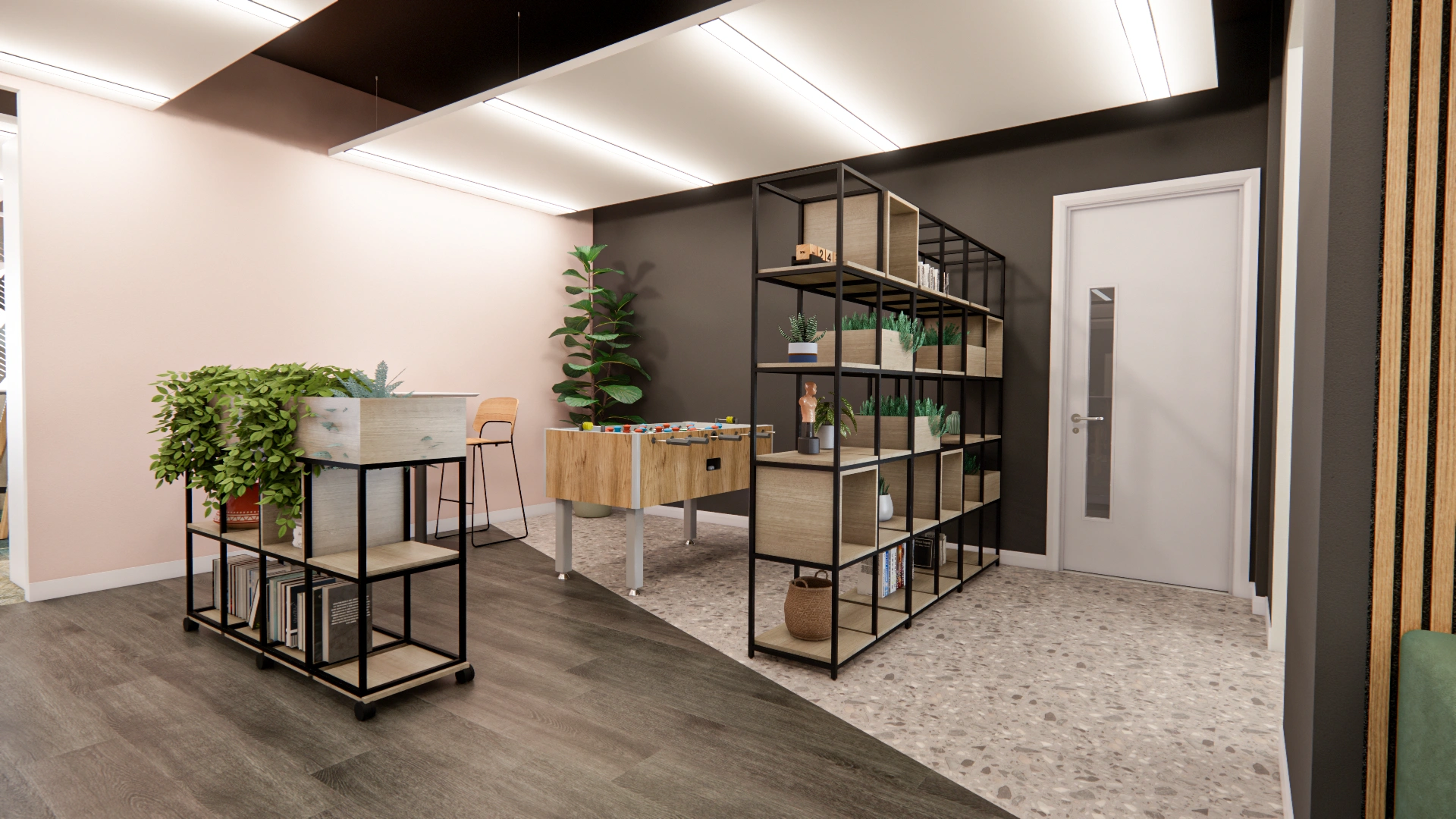
Mixed seating styles help
everyone find comfort in the
space around them. Providing
a palette of posture has
proven benefits to staff well being
Wellbeing
Biophilia
Report 15 % higher level of Wellbeing
Are
% More Creative
Indoor plants re associated with a 50% reduction in stress and anxiety.

Wellbeing
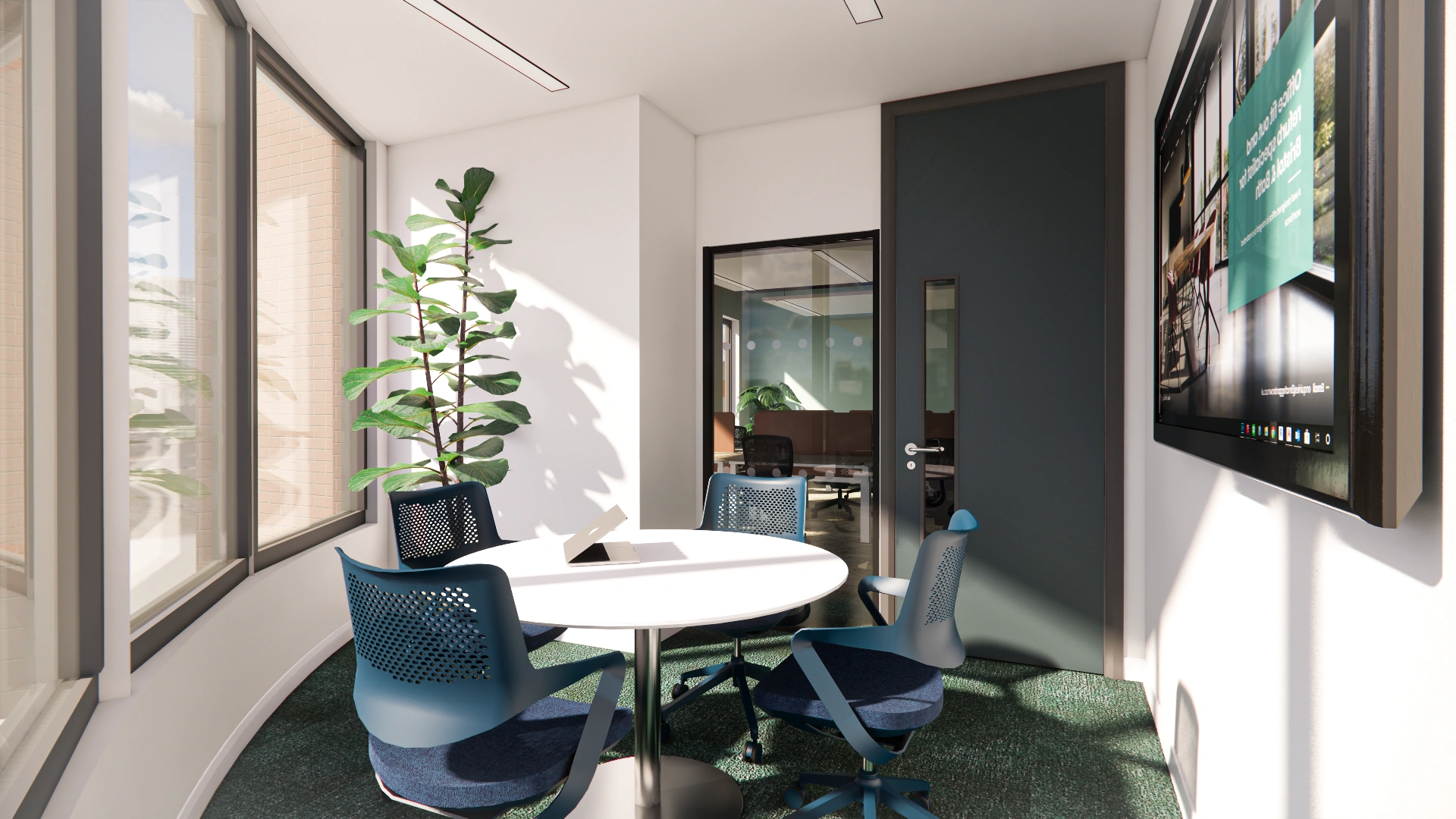
Acoustics
8 % Work in a quiet office
Over 52% of employees have trouble concentrating amid office noise pollution
23 % Wear headphones to concentrate
For modern open floorplan offices, achieving quality acoustics is a driver of employee experience, productivity and wellbeing. Beyond the obvious disruptions to phone calls and meetings, ambient noise takes a proven toll on concentration, mental fatigue and stress levels over the workday.
Wellbeing
Neurodiversity
15% to 20% of people are neurodivergent
Workplaces with neurodivergent professionals can be as much as 30% more productive
Wellbeing
Sustainability
Reducing your computer monitors brightness from 100% to 70% can save up to 20% of the monitors energy
A sustainable workplace strives to use resources not to impact the environment or employees’ health. There are many benefits to promoting a sustainable workplace, including reducing environmental impact, reducing waste, recycling, improving employee health, and creating a more friendly and productive environment.
Project
Delivery
Managing
your build
o Dedicated Site Management
o Pre-Construction Files
o Procurement Route
o Health and Safety
o Programmes
o Construction Design Management and F10
o Operations and Management Maintenance Files
o Quality Control
o JCT Contracts
o Risk Assessment
o Method Statements
Bespoke Finance
Solutions Interiors
By spreading the cost of a project or purchase over time in line with the useful life of the assets can unlock significant tax savings for your customers. Here’s how it works.
Firstly, it is worth pointing out that tax savings are only relevant to organisations subject to paying tax on their profits. For public sector organisations and others who don’t, the main benefits are typically all around making budgets work.
As the illustration demonstrates, there are some tax savings associated with using capital (mainly through the tax relief afforded by capital allowances) but typically these are modest compared to the 100% tax relief (on both the capital and interest) available through leasing.
Remember this is for illustrative purposes only, as individual circumstances differ.
CDM
Regulations
CDM regulations set out what people involved in construction work need to do to protect themselves from harm and anyone the work affects. Whatever your role in construction, CDM aims to improve health and safety in the industry by helping you to:
Read More
• Planned work so the risks involved are managed from start to finish.
• Obtain the right people for the right job at the right time.
• Cooperate and coordinate your work with others.
• Provide the right information about the risks and how they are being managed.
• Communicate the information effectively to those who need to know.
• Consult and engage with workers about the risks and how they are being managed.


Insurances
Employers Liability Insurer
Markel (UK) Ltd
Policy number: C10175
Cover period: 21st February 2024 to 22nd February 2025
Indemnity limit: £10,000,000
Public and Product Liability Insurer
Markel (UK) Ltd Policy number: C10175
Cover period: 21st February 2024 to 22nd February 2025
Indemnity limit: £5,000,000
Contractors All Risk
Markel (UK) Ltd Policy number: C10175
Cover period: 21st February 2024 to 22nd February 2025 Indemnity limit:
Indemnity limit: £3,000,000
Professional Indemnity
Markel (UK) Ltd Policy number: C10175
Cover period: 21st February 2024 to 22nd February 2025 Indemnity limit:
Indemnity limit: £2,000,000
Case
Studies
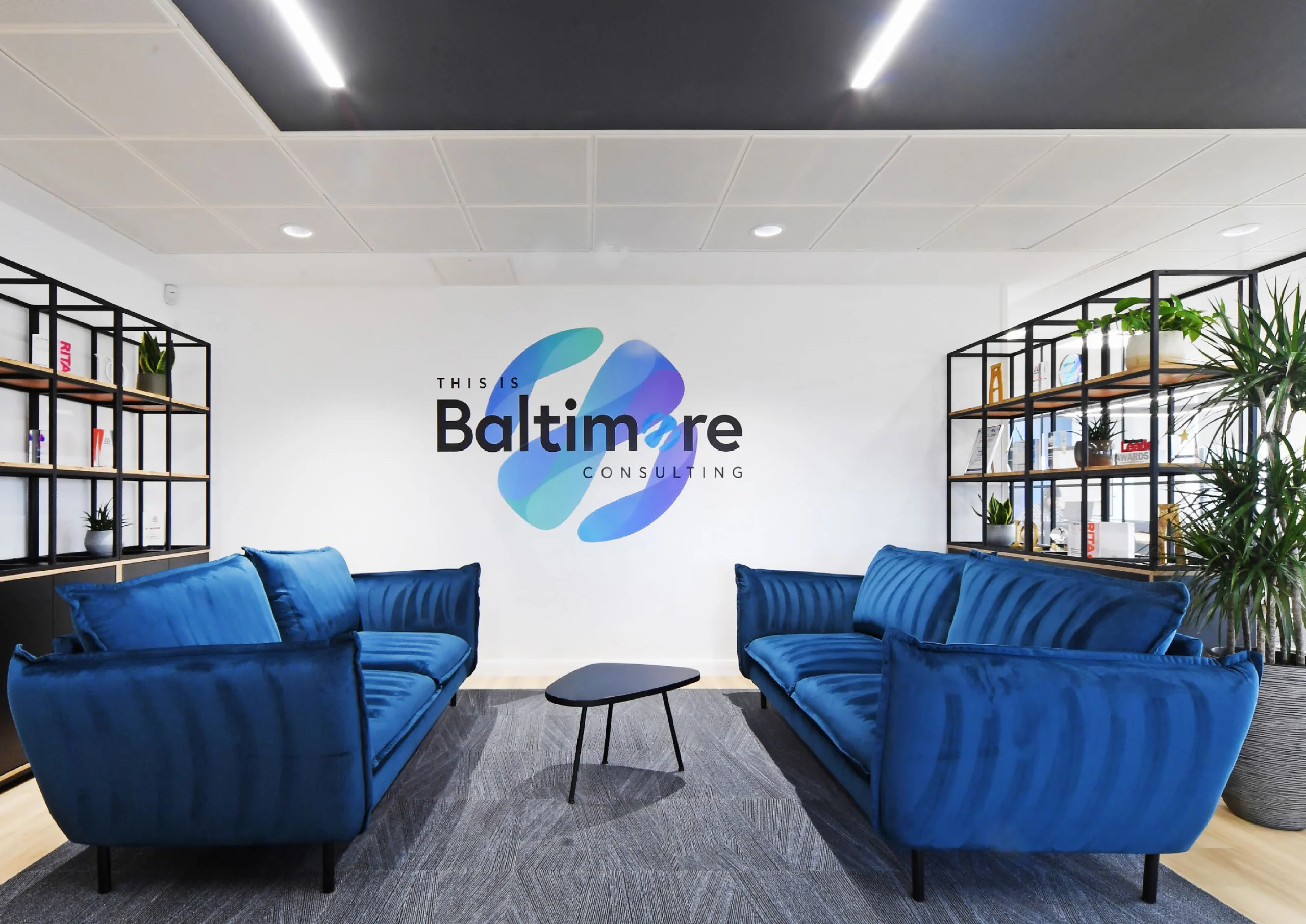
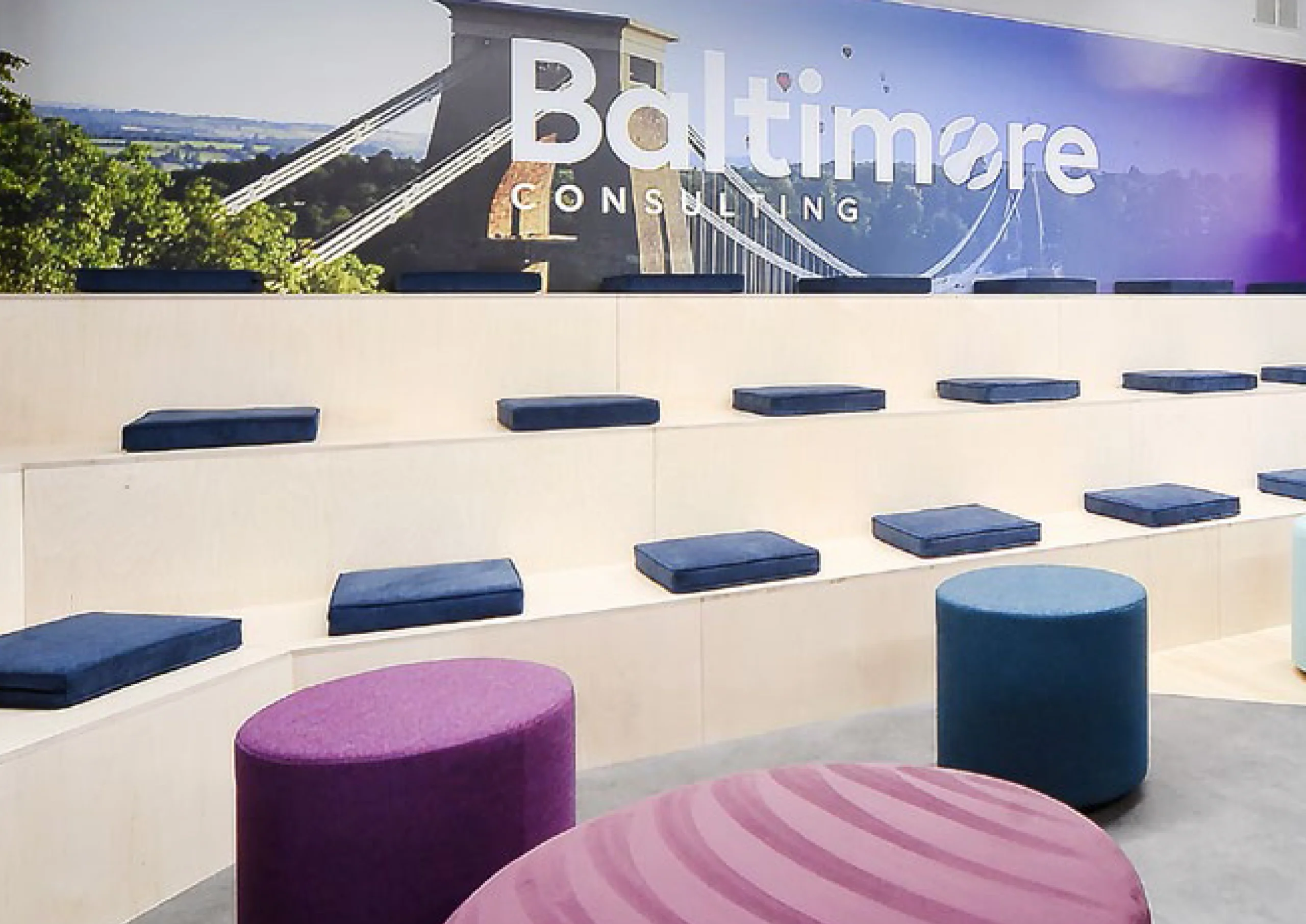
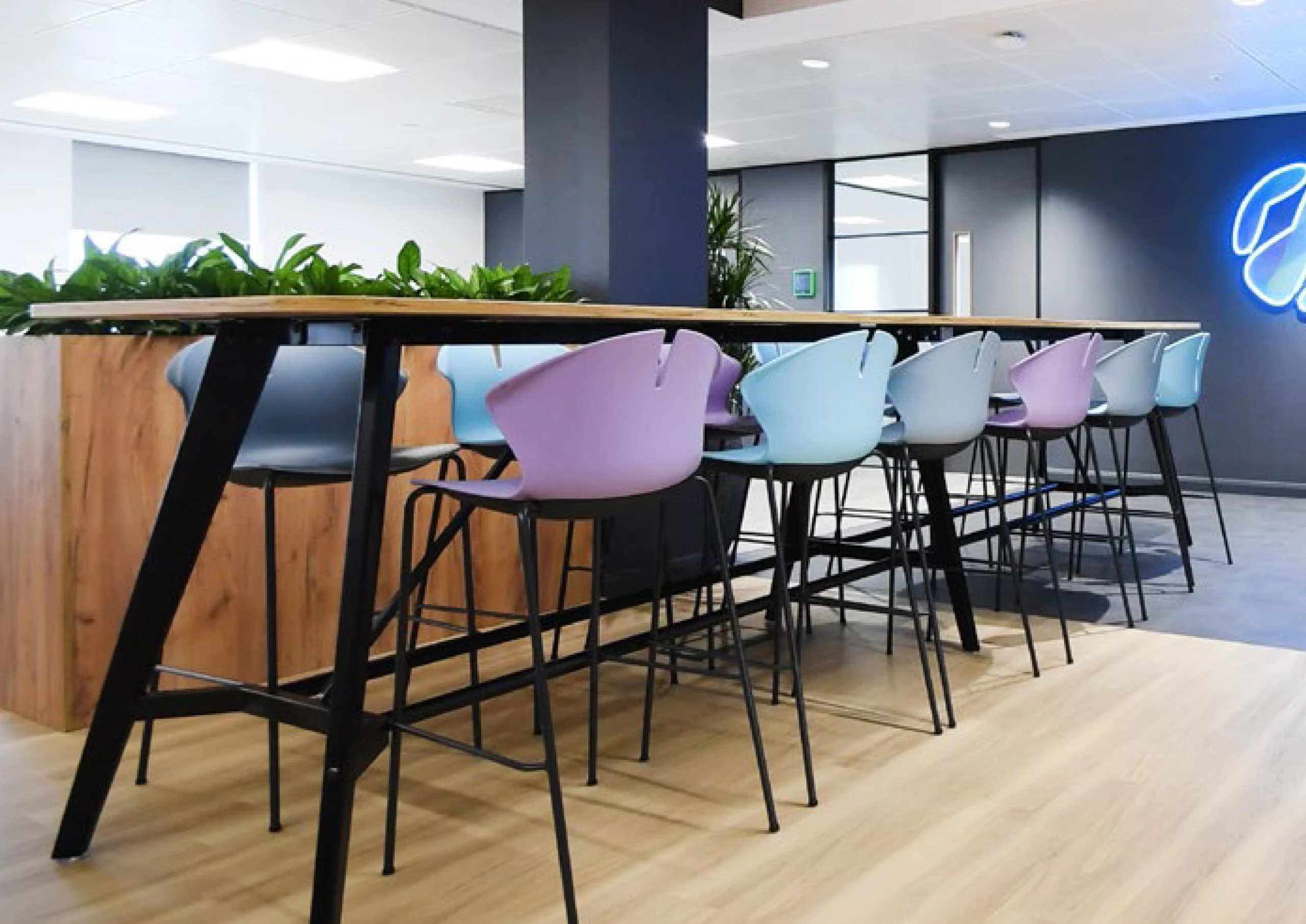
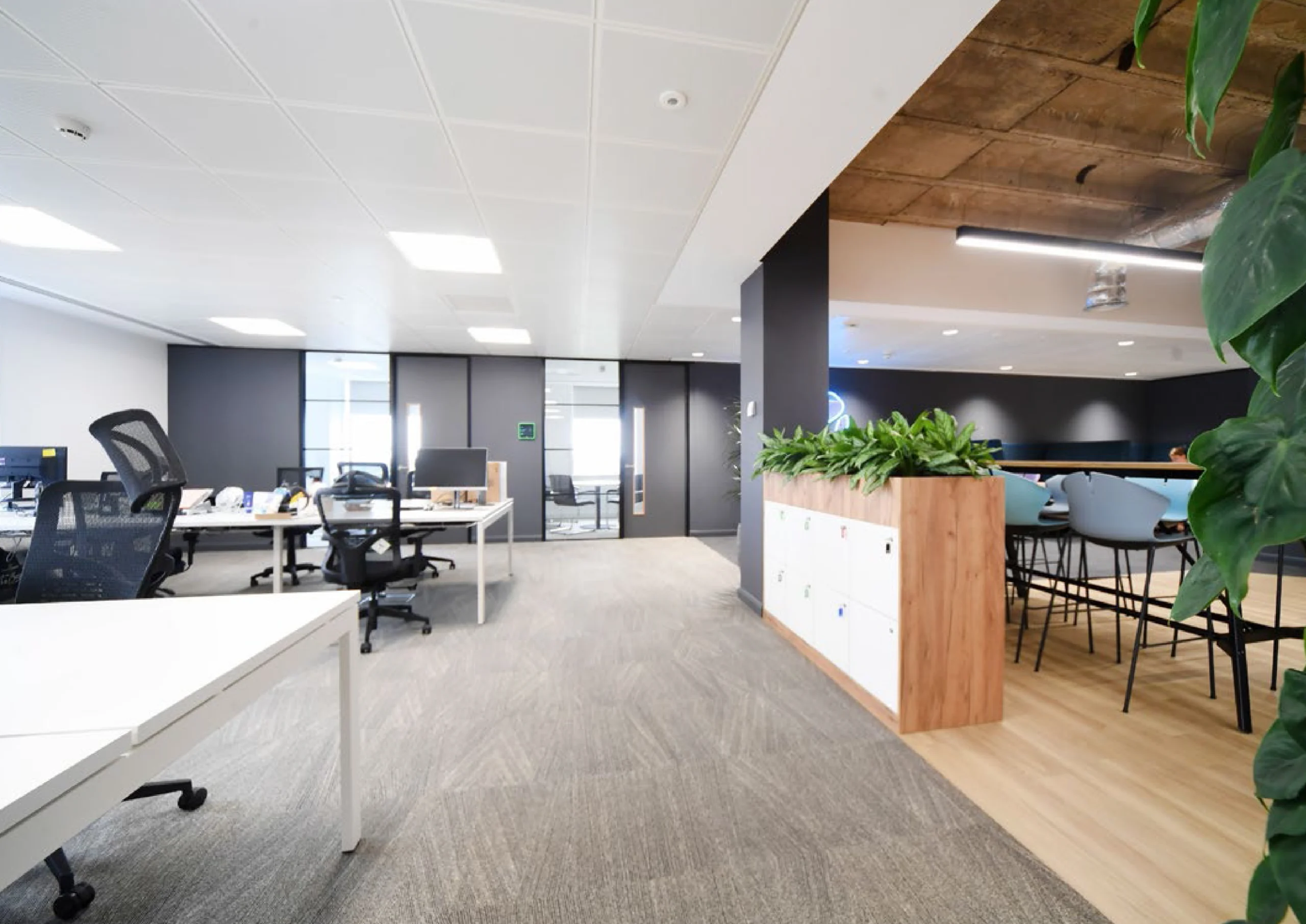
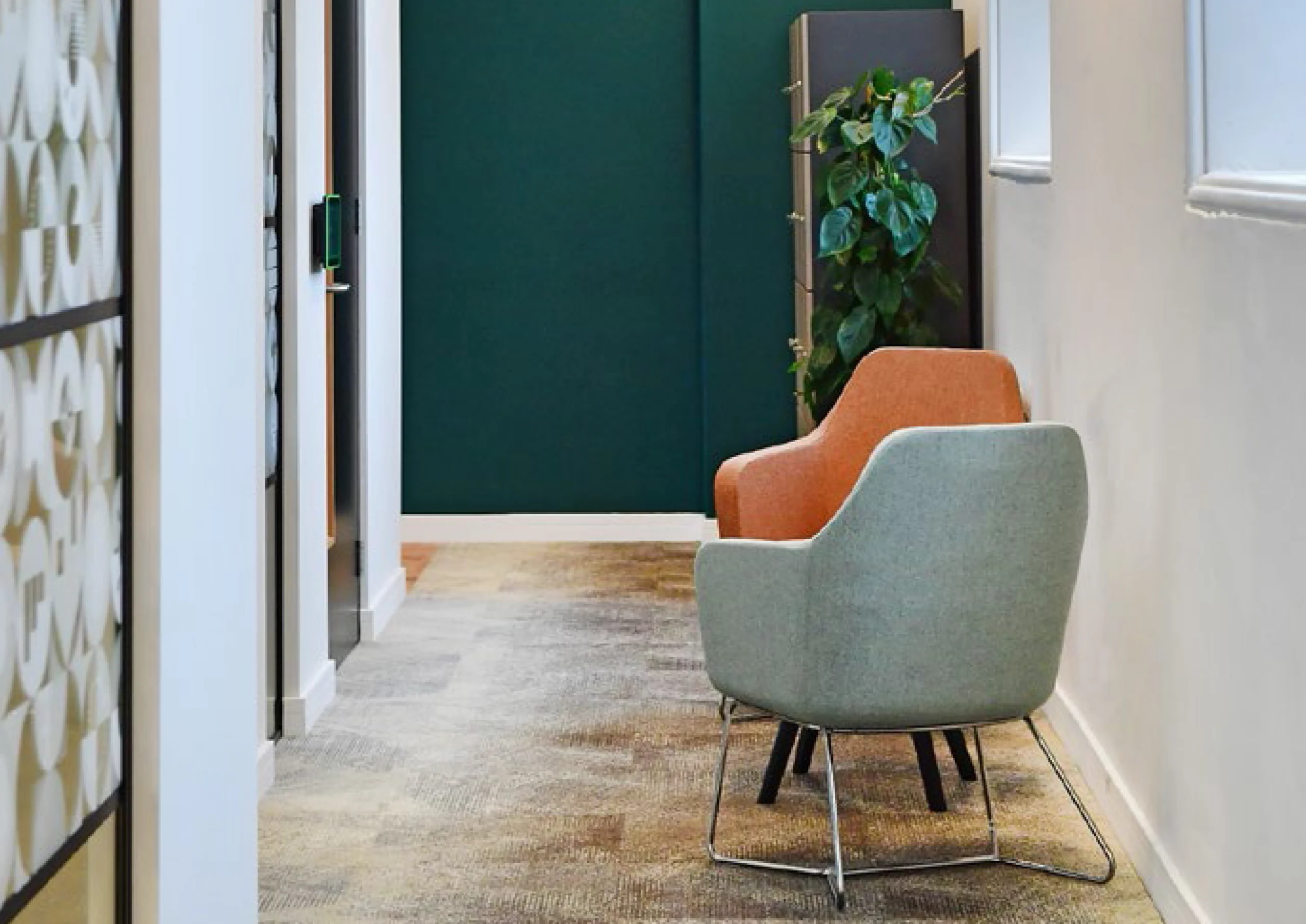
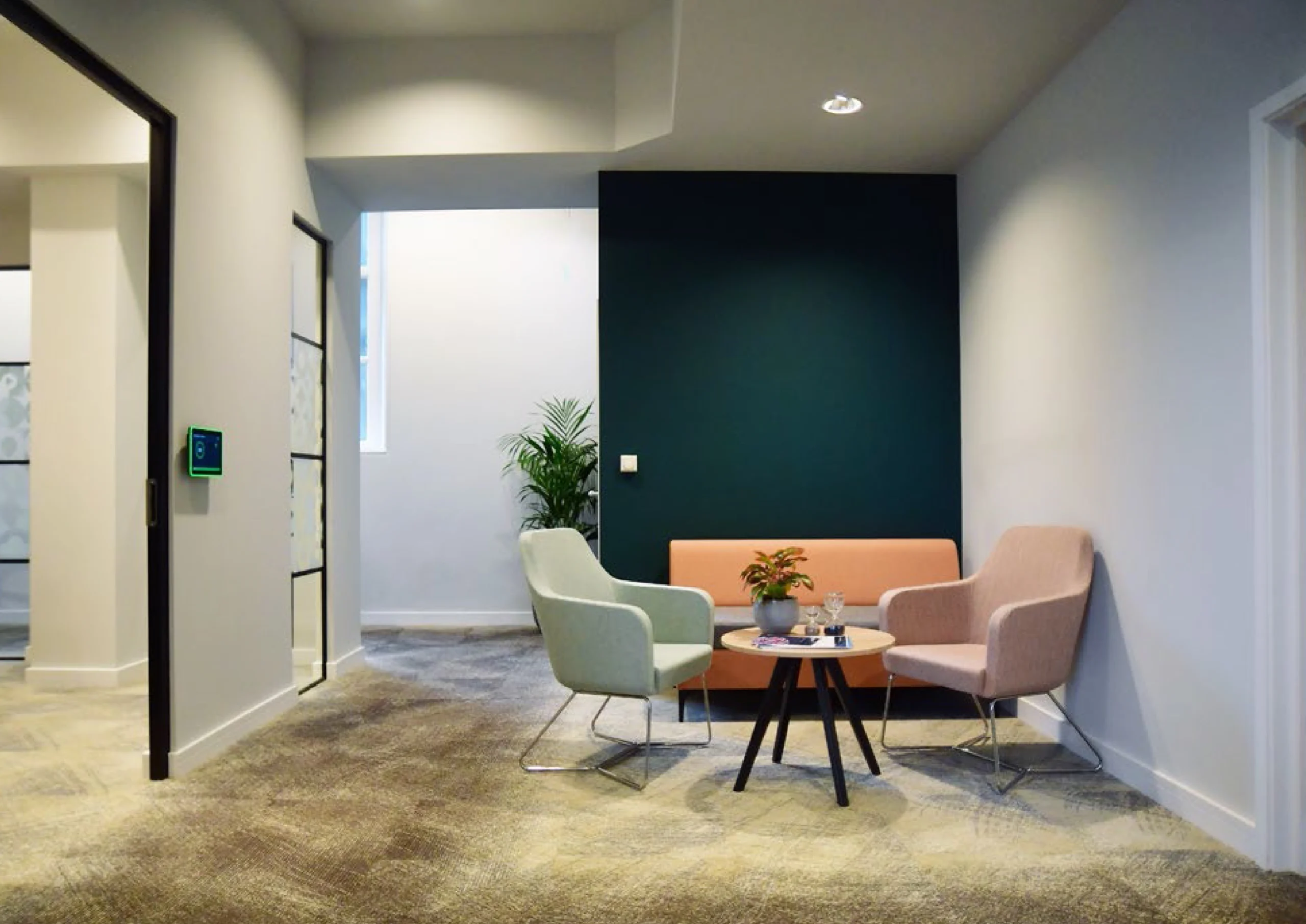
Baltimore
• Location: Bristol
• Sector: Recruitment
• Size: 5,186 sqft
• Duration: 10 Weeks
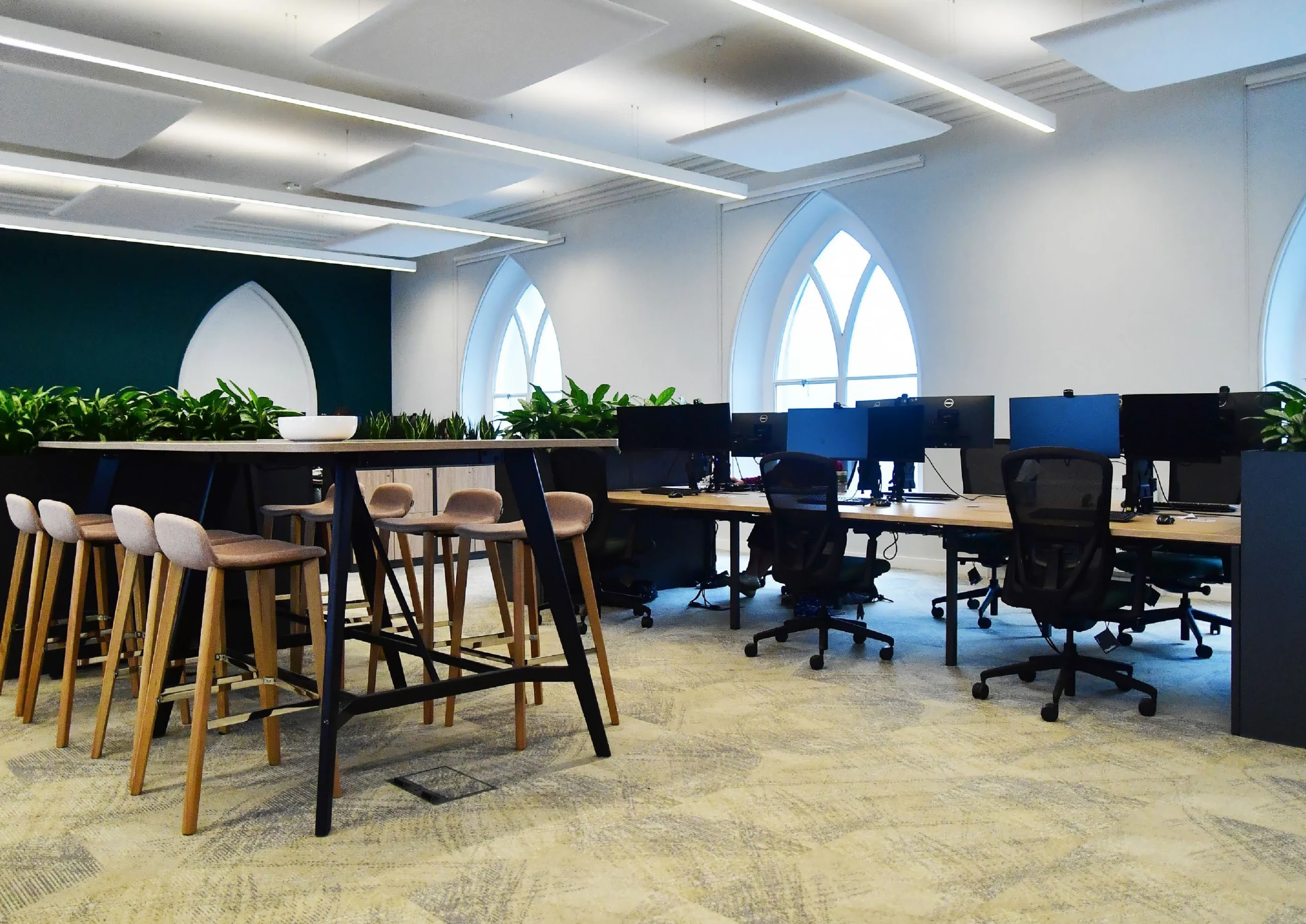
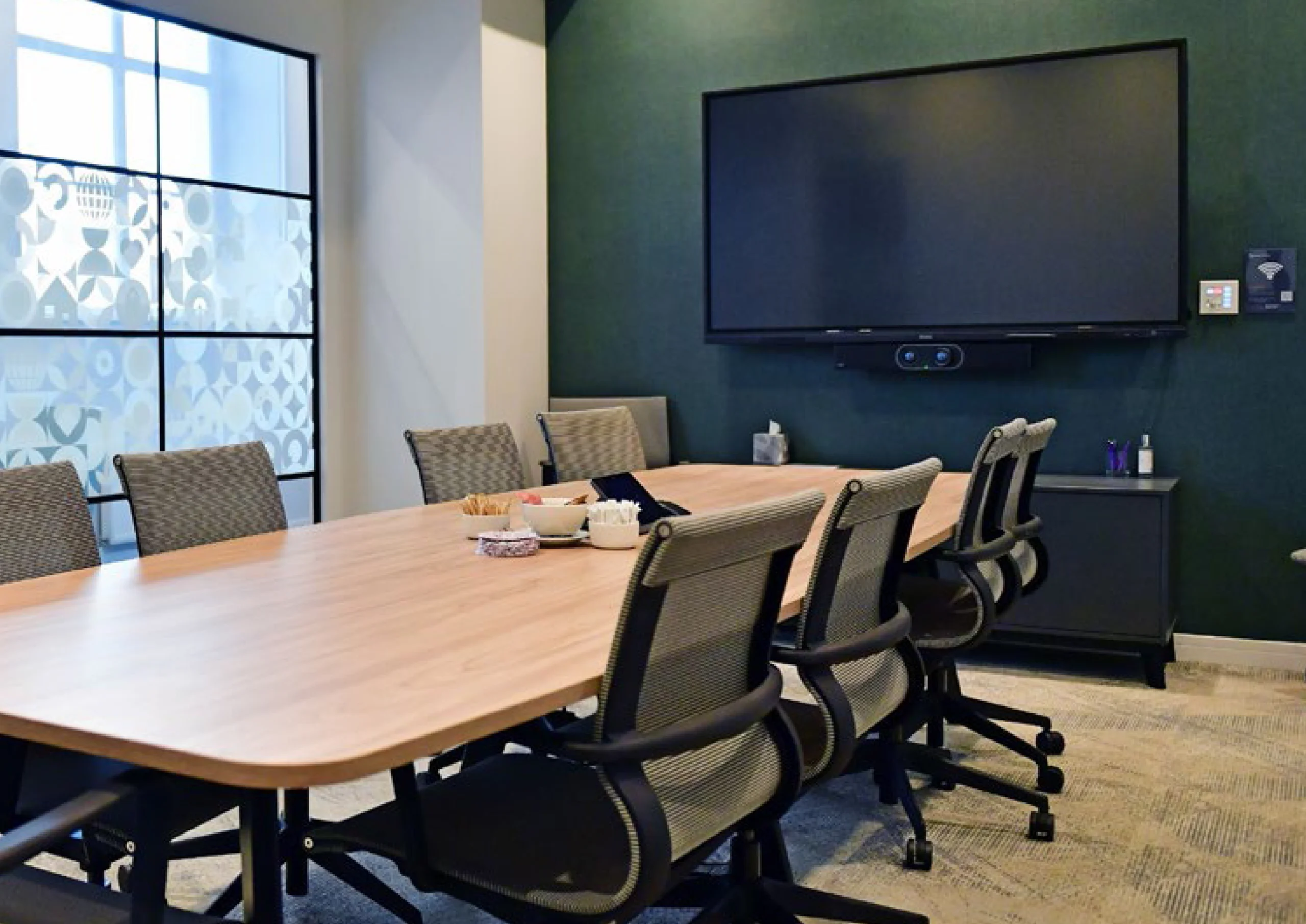
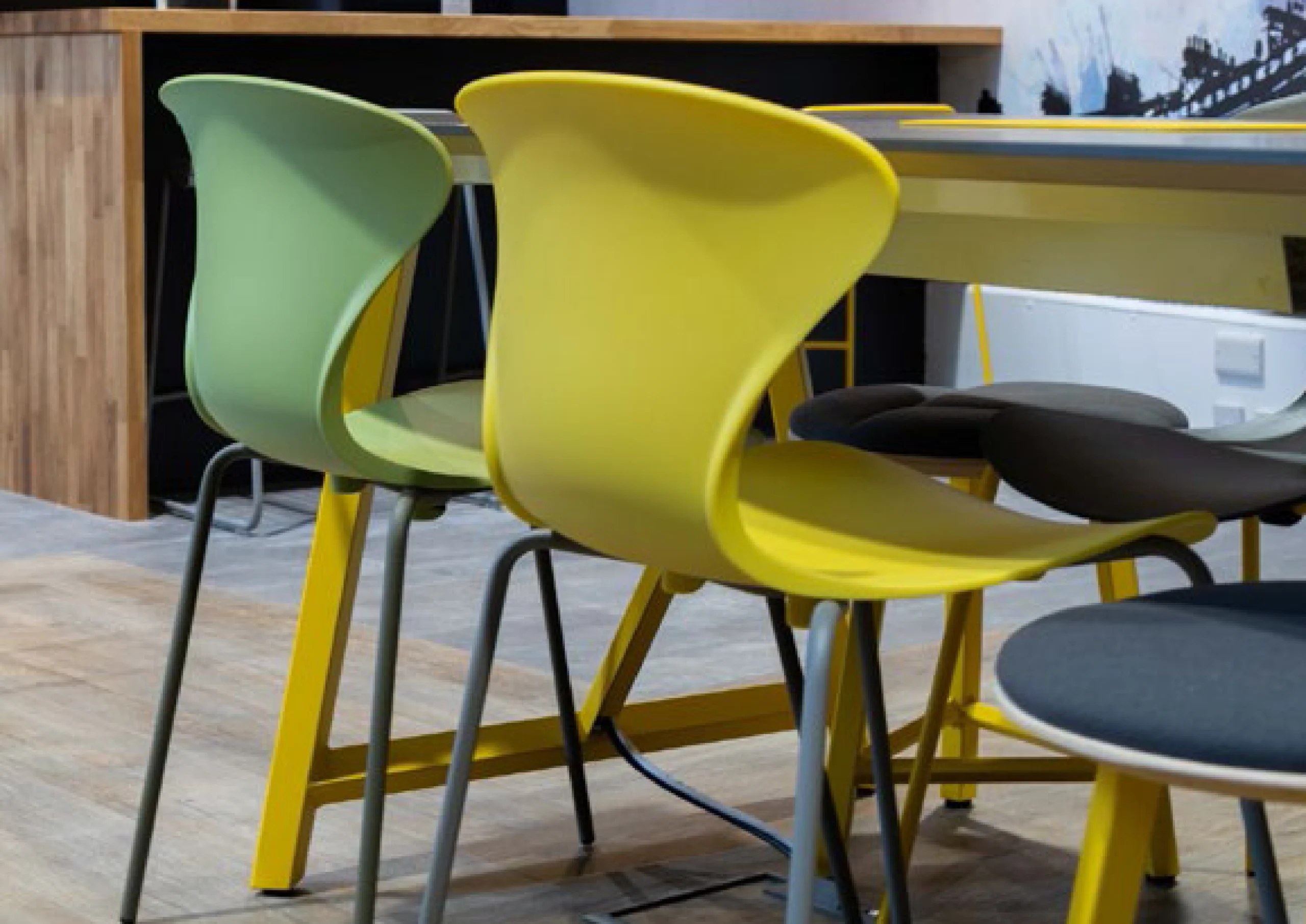
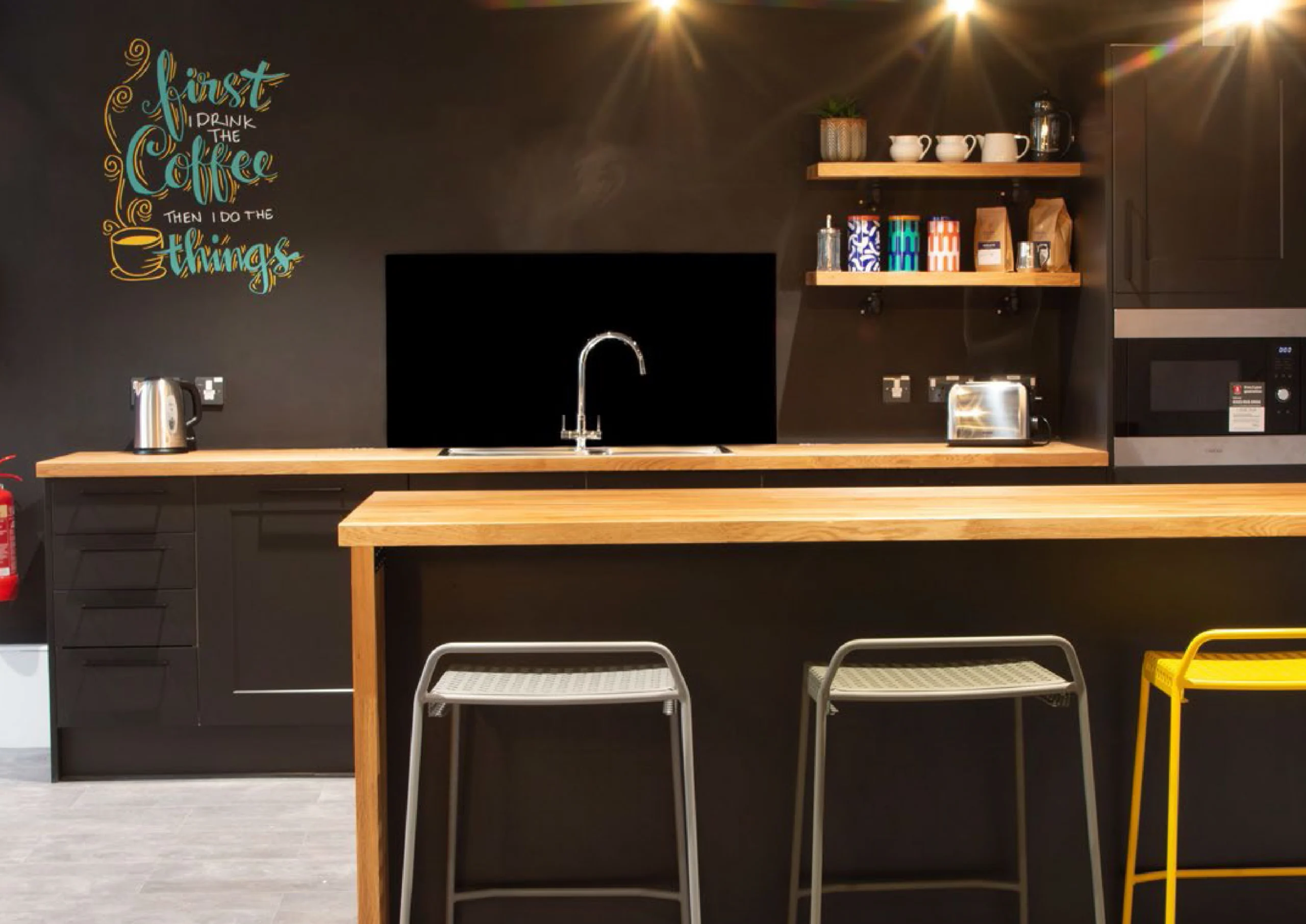
Bishop
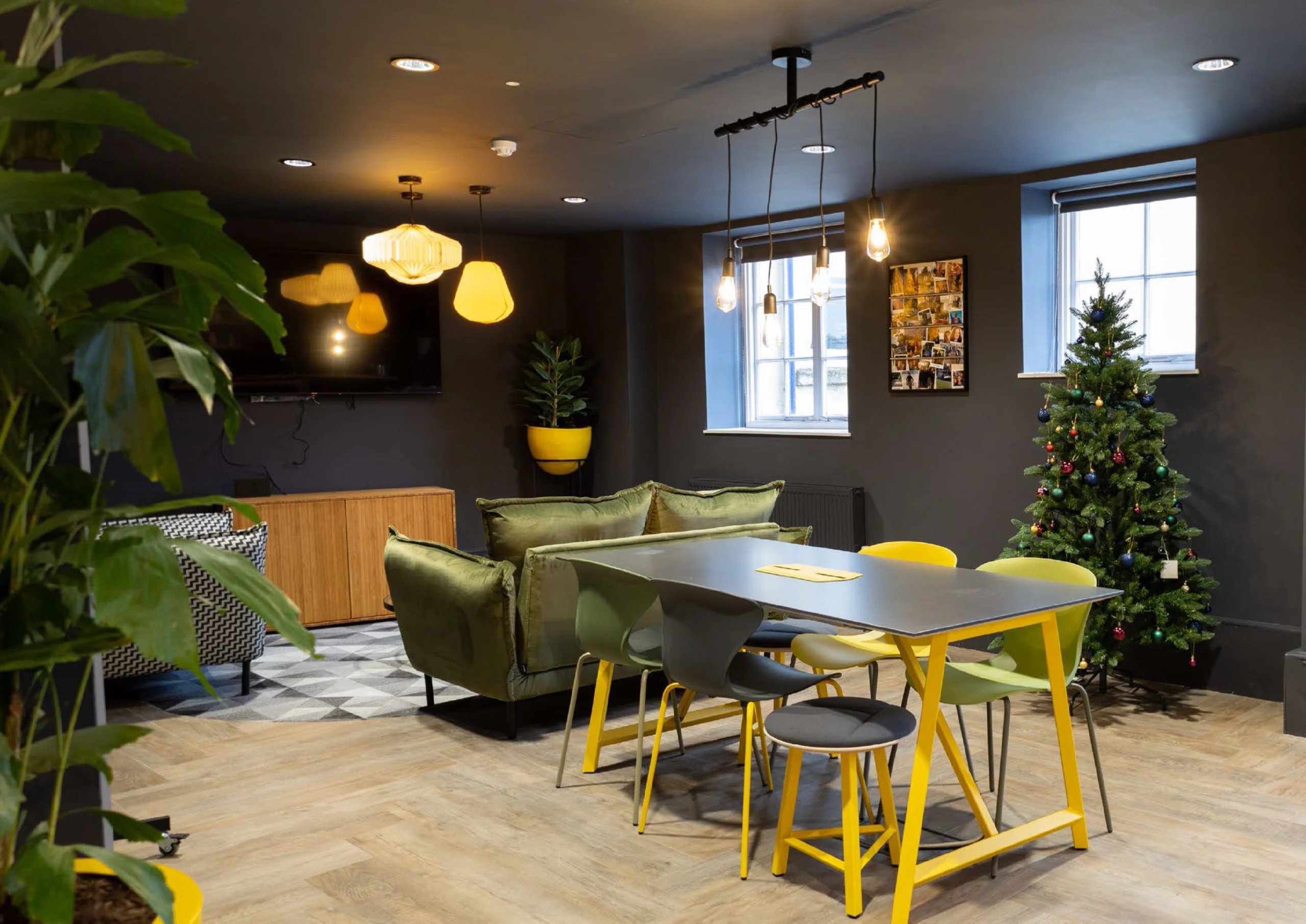
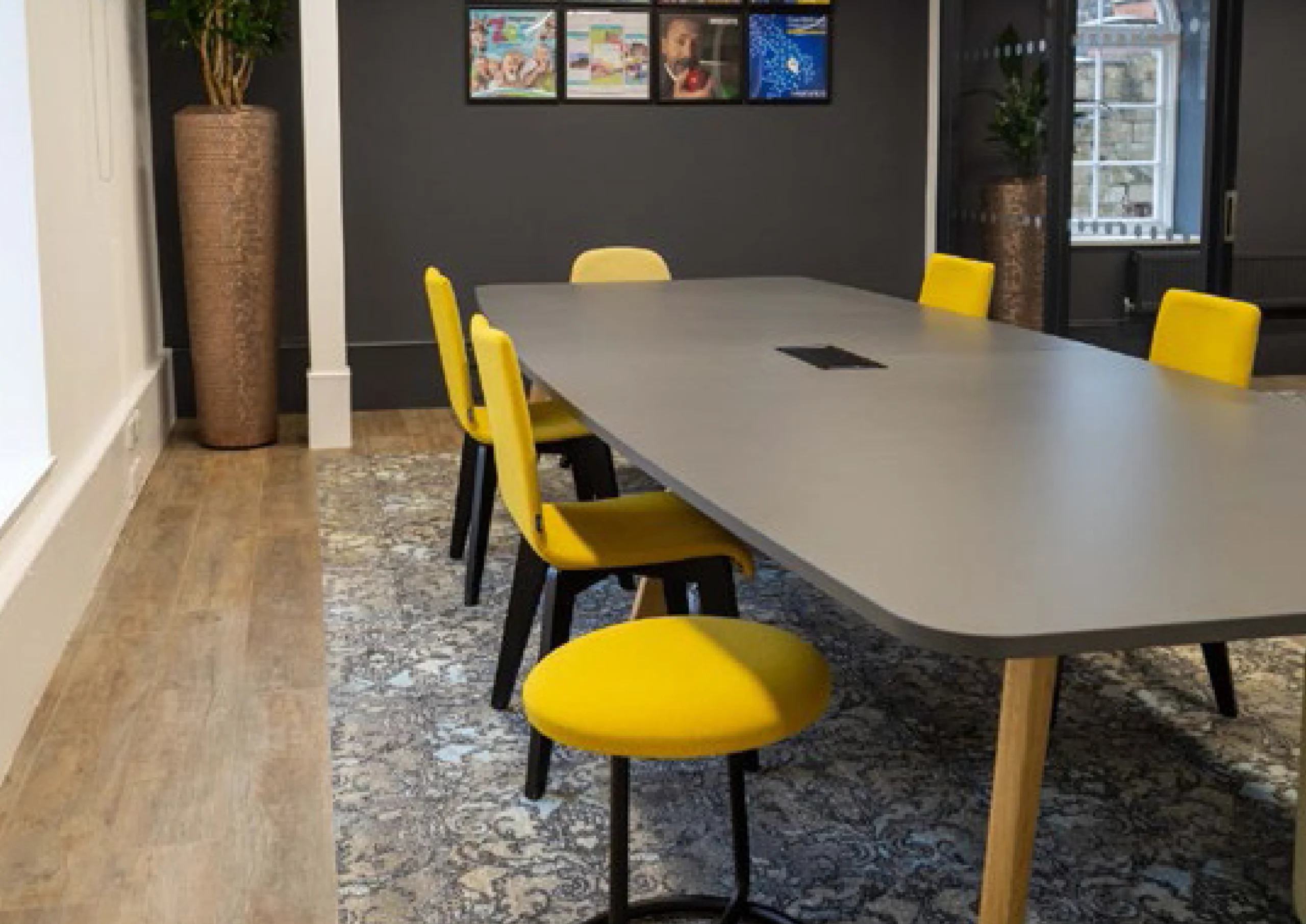
Fleming
• Location: Cheltenham
• Sector: Accounting
• Size: 4300 sqft
• Duration: 14 Weeks
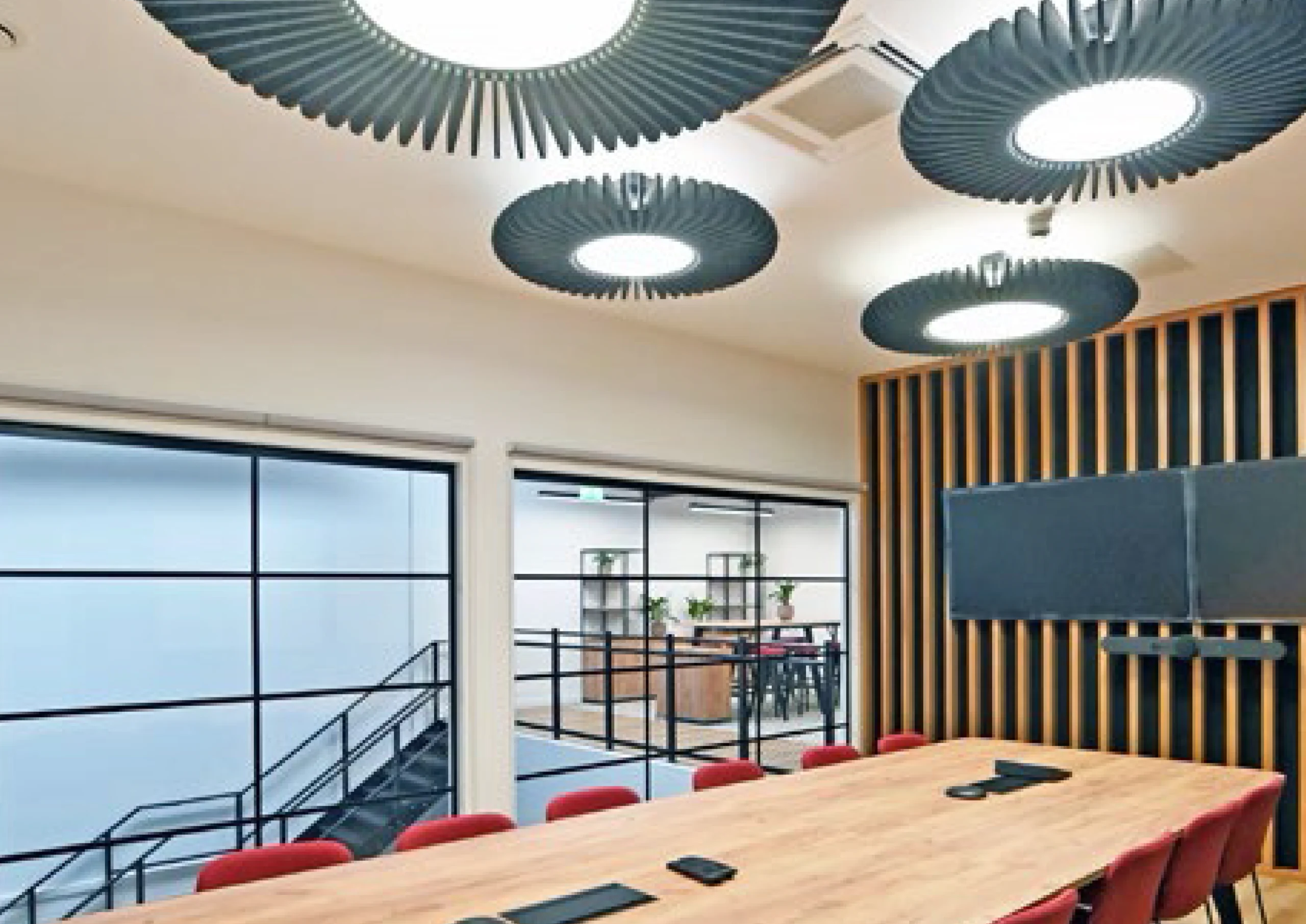
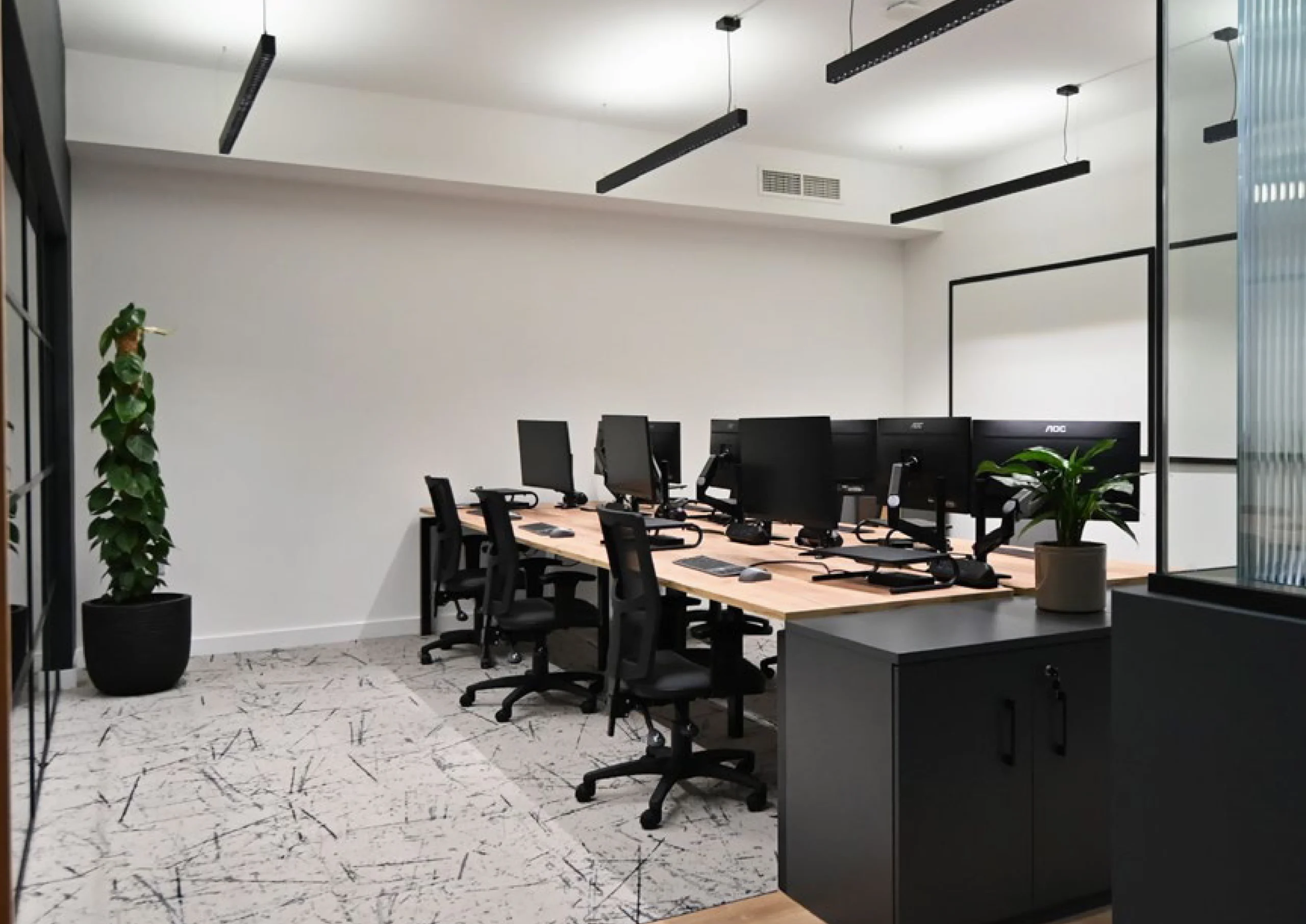
Mostly
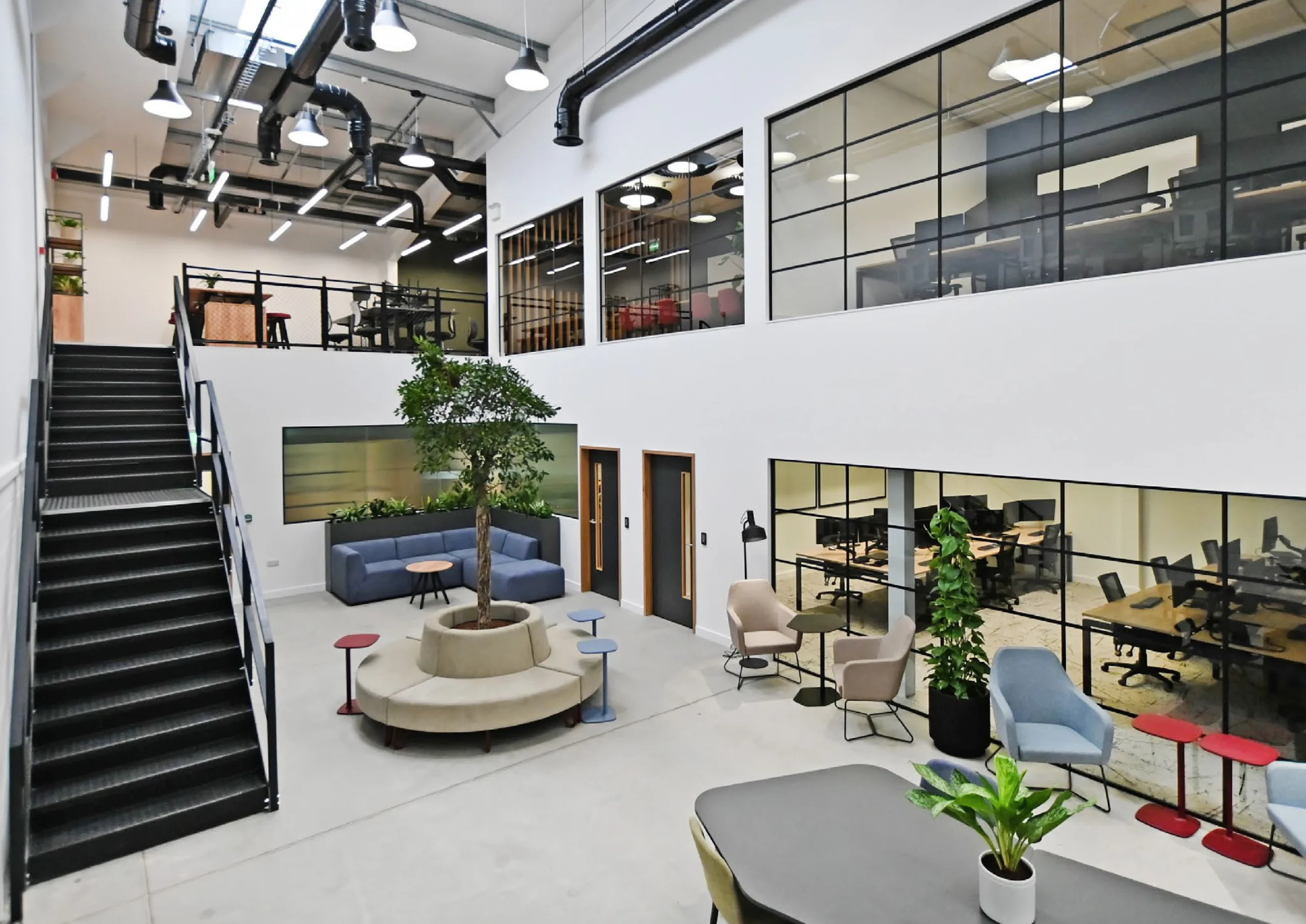
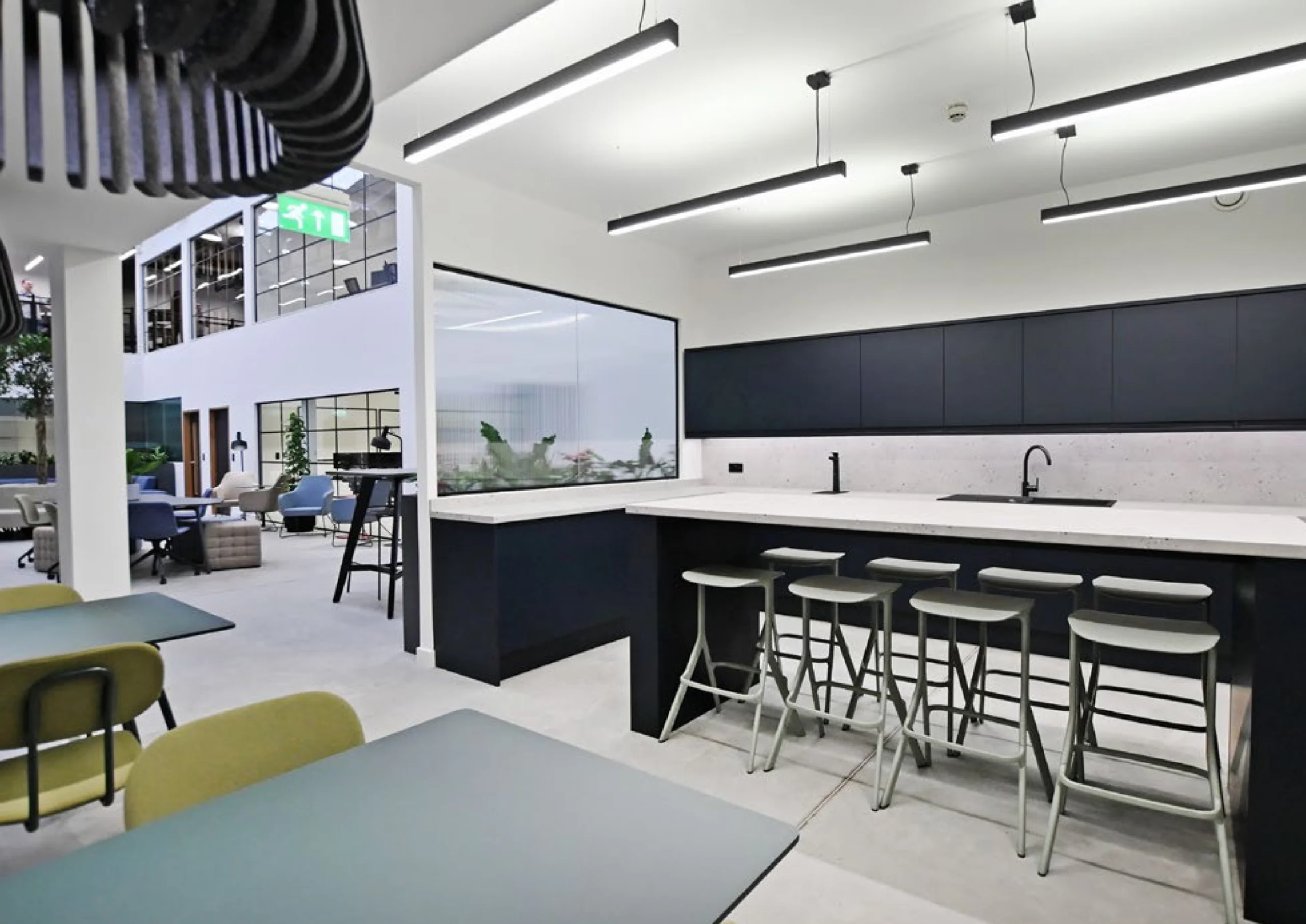
Media
• Location: Bath
• Sector: Media & Advertisement
• Size: 3,300 sqft
• Duration: 12 Weeks
Undisclosed
Client
• Location: Bristol
• Sector: Technology
• Size: 6,600 sqft
• Duration: 16 Weeks
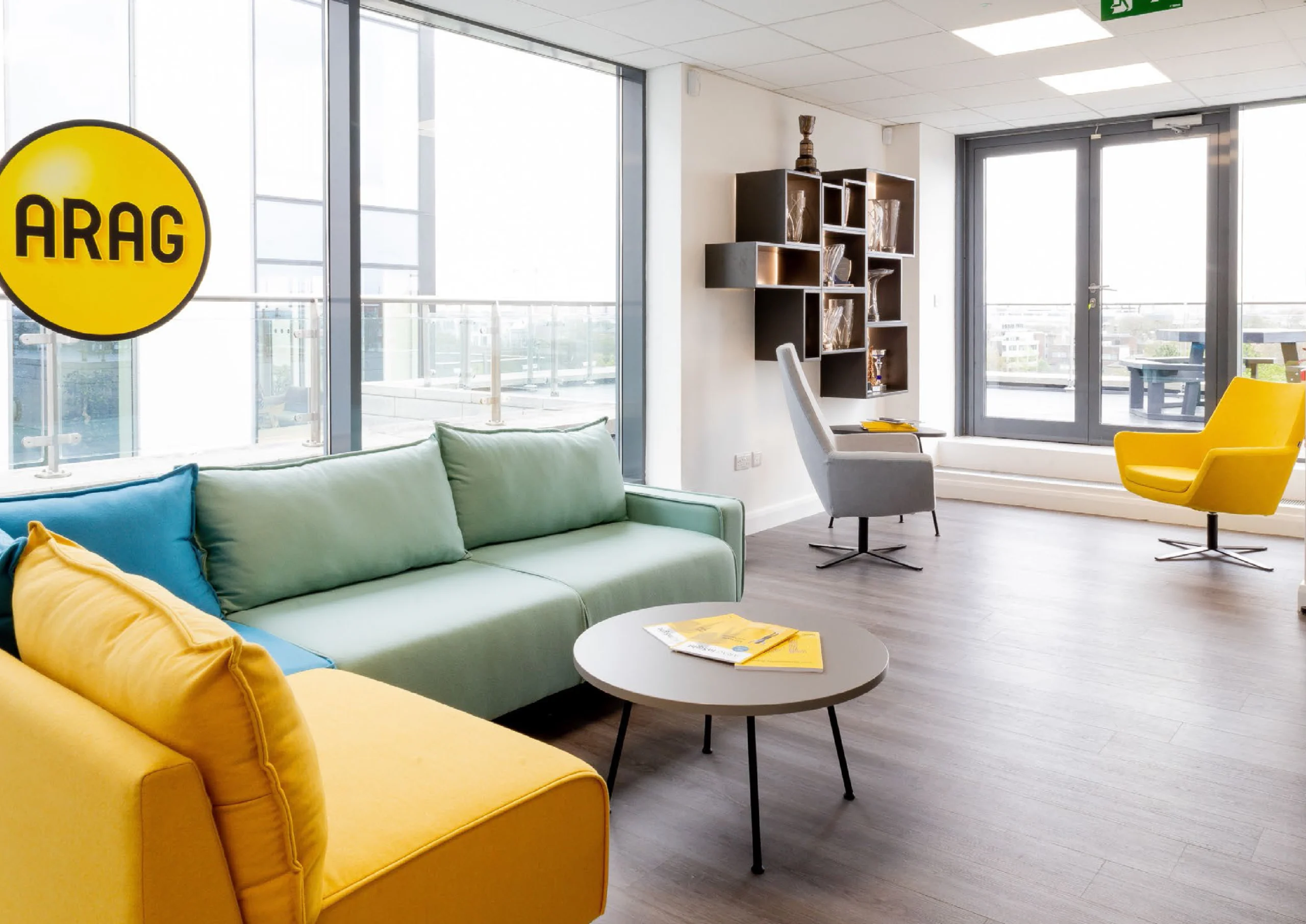
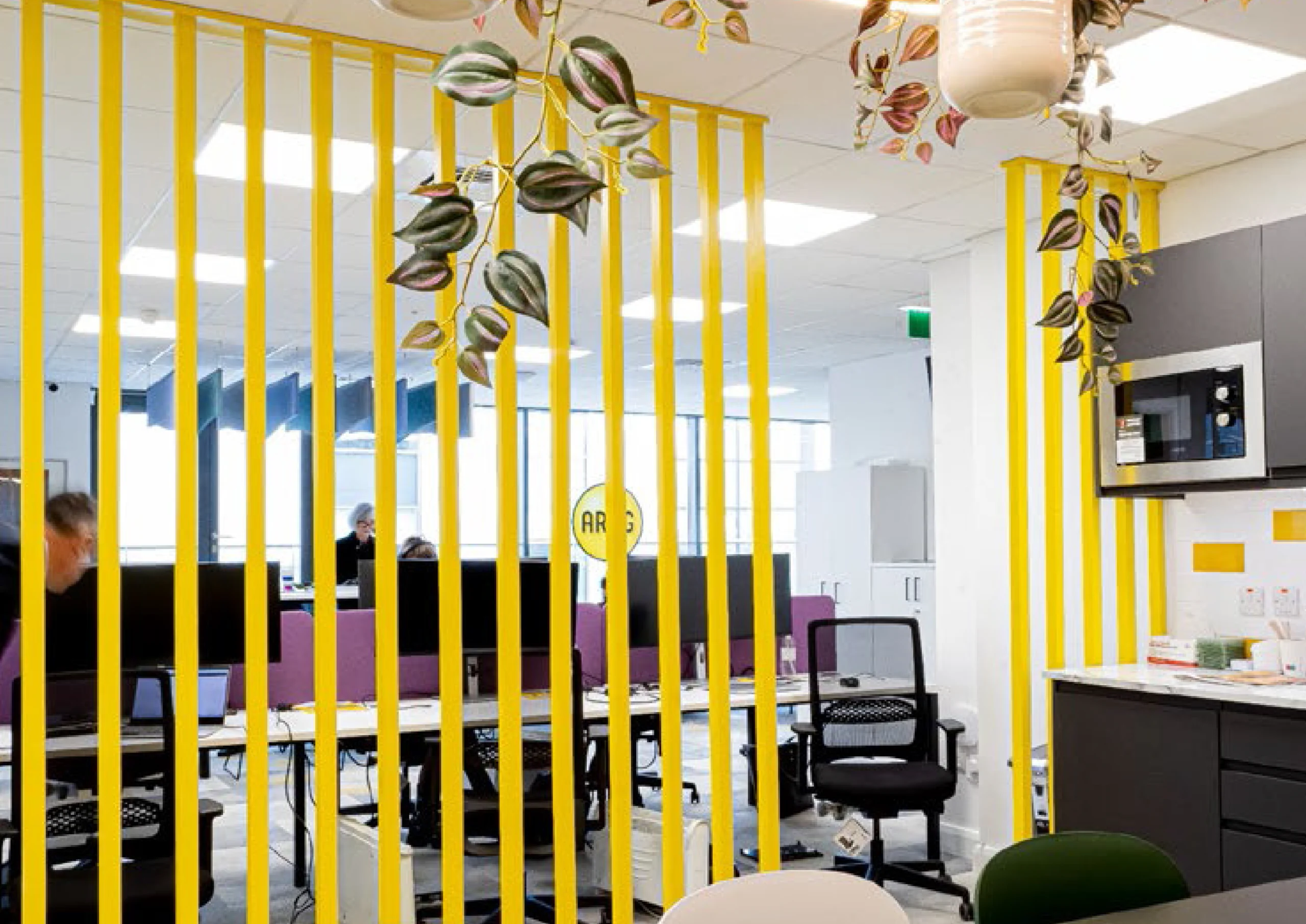
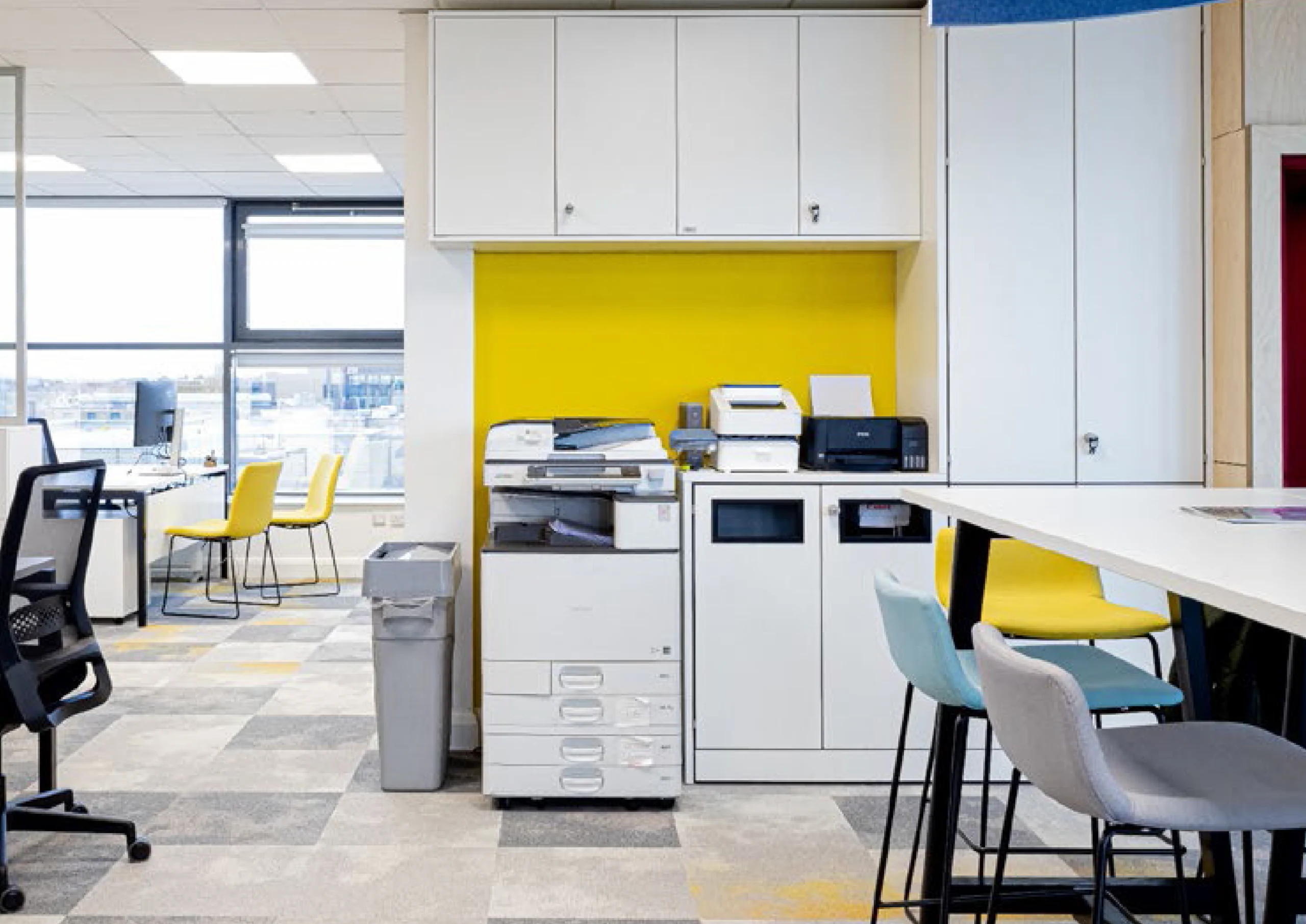
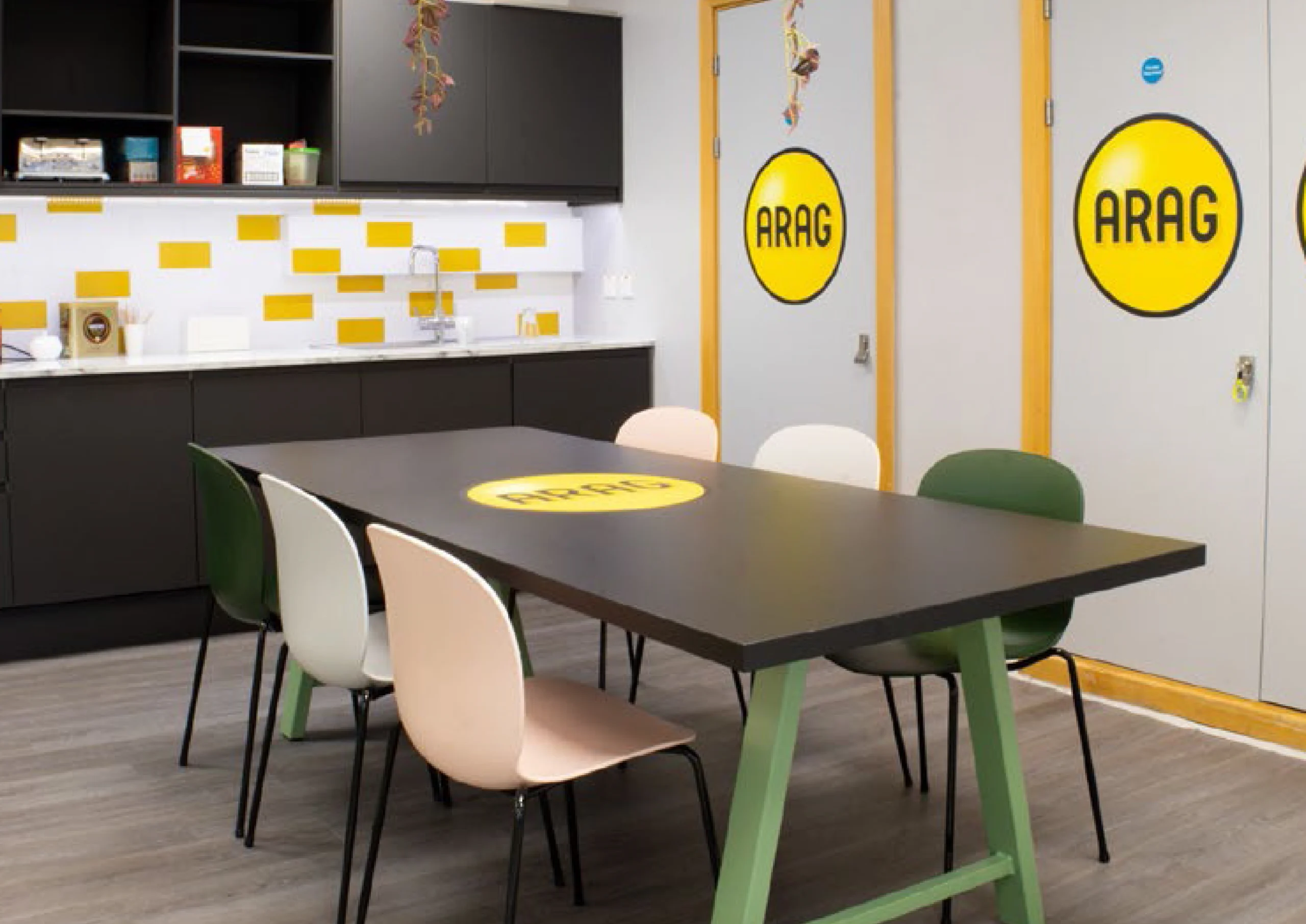
Arag
• Location: Dublin
• Sector: Insurance
• Size: 1,313 sqft
• Duration: 8 Weeks